Transform Your Space: A Beginner's Guide to Using Interior Design Apps
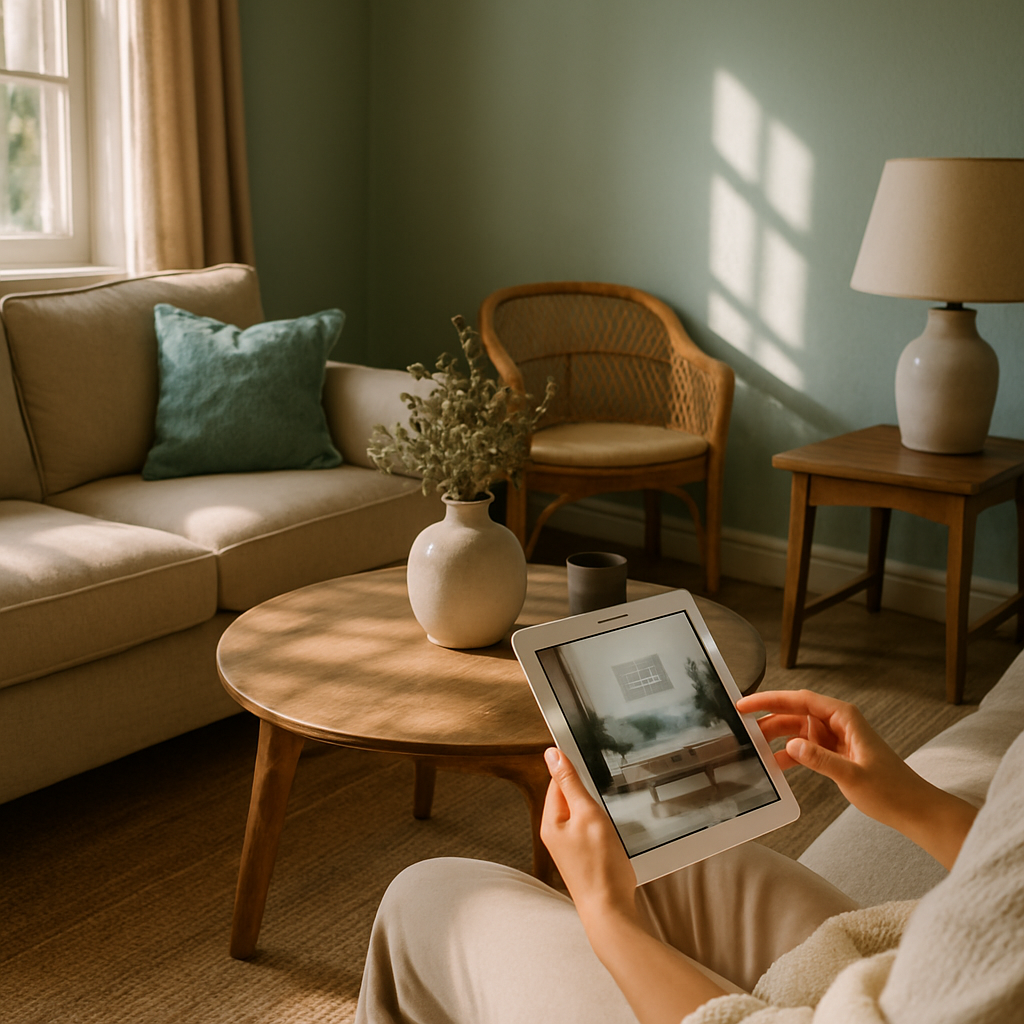
Have you ever walked into a room and felt something was missing, but couldn't quite put your finger on it? You're not alone. According to Houzz's annual survey, nearly 70% of homeowners are dissatisfied with their current interiors. But what if I told you that the solution is literally at your fingertips? Welcome to the world of interior design apps. These digital tools are revolutionizing how we approach home makeovers, making the process more accessible and intuitive than ever before. In this guide, we'll explore how to effectively use these apps to transform your space, delve into the technology behind them, and provide actionable strategies for beginners. Whether you're redecorating a single room or planning a full-home redesign, this article will equip you with the knowledge to make informed decisions and create a space that truly reflects your style.
Understanding Interior Design Apps
At their core, interior design apps are digital tools designed to simplify the design process for both professionals and amateurs. These apps offer a variety of functionalities, from sketching floor plans to virtually staging furniture. One of the most popular apps, Houzz, boasts a community of over 40 million homeowners and professionals sharing inspiration and advice. Another notable mention is SketchUp, a 3D modeling app that allows you to visualize your space in intricate detail. But how do these apps work, and why should you consider using them?
Most interior design apps leverage augmented reality (AR) technology to help users see how furniture and decor would look in their space without lifting a finger. This feature is particularly useful if you're hesitant about making large purchases without first seeing them in your home. Additionally, these apps often include a library of products from various retailers, allowing you to experiment with different styles and price points. According to Architectural Digest, integrating technology like AR can reduce decision-making time by up to 30%, making it easier for you to settle on a design you love.
Furthermore, many apps are equipped with community features where users can share their designs and get feedback. This collaborative aspect not only fosters creativity but also provides a platform for learning and inspiration. However, understanding how to navigate these features can be overwhelming for beginners. In the following sections, we will break down the process and provide tips to help you make the most of your design app experience.
Diving Deeper: Features and Benefits
Beyond the basic functionalities, interior design apps offer a plethora of features that can significantly enhance your design journey. For instance, apps like Planner 5D allow you to create detailed floor plans with drag-and-drop simplicity. Whether you're working on a cozy studio apartment or a sprawling estate, these tools can help you visualize the layout and flow of your space. It's no wonder that, according to IIDA (International Interior Design Association), over 60% of professional designers now incorporate such apps into their workflow.
Another compelling feature is the ability to simulate lighting conditions. Apps like Roomstyler 3D Home Planner let you experiment with natural and artificial lighting to see how it affects the ambiance of your room. This is particularly useful for those looking to incorporate smart home integrations, as you can test out different lighting scenarios before committing to any hardware. Remember, lighting can make or break a room's atmosphere, and getting it right is crucial.
Additionally, many apps offer budget tracking tools to help manage expenses. With renovation costs varying widely-typically $5,000 to $15,000 for a single room redesign-keeping track of your spending is essential. Some apps even allow you to set budget limits and receive alerts when you're nearing them, ensuring you stay financially on track. As you explore these features, consider how they align with your goals and how they can streamline your project.
Actionable Strategies for Beginners
So, how can you effectively use interior design apps to transform your space? First, start by defining your project's scope. Are you looking to refresh a single room or undertake a full-home renovation? Clearly outlining your goals will help you choose the right app and features to focus on. Next, gather inspiration by browsing through the vast catalog of designs available on platforms like Pinterest and Instagram. Save images that resonate with your style and use them as a reference point.
Once you've gathered enough inspiration, create a digital mood board using an app like Morpholio Board. This step will help you visualize how different elements work together and refine your aesthetic. Experienced professionals often note that a well-curated mood board can significantly streamline the design process, making it easier to communicate your vision to any collaborators or contractors you may hire.
Finally, don't hesitate to experiment. One of the greatest advantages of using design apps is the ability to test various options without any financial commitment. Swap out different furniture pieces, try new color schemes, and play with layouts until you find a combination that feels right. Remember, the goal is to create a space that reflects your personality and meets your needs. As you experiment, keep an open mind and enjoy the creative process.
Expert Insights on Maximizing App Usage
For those looking to take their design skills to the next level, consider consulting with certified interior designers who hold credentials such as NCIDQ (National Council for Interior Design Qualification). These professionals can offer personalized advice and insights that apps alone may not provide. Additionally, many designers are now using AR/VR room visualization tools to offer clients a more immersive experience, allowing you to virtually walk through your redesigned space.
Another expert-level tip is to pay attention to the materials and textures you incorporate into your design. Apps like Home Design 3D allow you to experiment with sustainable options, such as reclaimed wood or eco-friendly paint. This aligns with the 2026 design trend of biophilic design, which emphasizes natural materials and indoor-outdoor flow. By incorporating these elements, you can create a harmonious environment that promotes well-being.
Finally, don't overlook the importance of feedback. Share your designs with friends, family, or online communities to gather diverse perspectives. According to ASID (American Society of Interior Designers), collaborative feedback can lead to more innovative and satisfying design solutions. By leveraging the collective wisdom of others, you can refine your ideas and achieve a truly exceptional result.
Exploring Additional Resources
While design apps are incredibly powerful, they are just one piece of the puzzle. To further enhance your knowledge and skills, explore resources such as online courses, webinars, and design workshops. Platforms like Coursera and Skillshare offer courses on interior design fundamentals, allowing you to deepen your understanding of design principles. Whether you're interested in color theory, space planning, or furniture selection, these resources can provide valuable insights.
Additionally, consider joining local design groups or attending industry events. The AIA (American Institute of Architects) often hosts workshops and seminars that offer networking opportunities and exposure to the latest design trends. Engaging with the design community can open doors to new ideas and collaborations, enriching your design journey.
Lastly, don't underestimate the power of books and magazines. Publications like Architectural Digest and Elle Decor provide a wealth of inspiration and case studies on successful design projects. By diversifying your sources of inspiration, you can broaden your perspective and approach each project with a fresh, informed outlook. As you continue to explore, remember that learning is an ongoing process, and each resource will bring you closer to achieving your design goals.
Final Thoughts on Embracing Technology in Design
Interior design apps are reshaping the way we approach home transformations, offering unprecedented access to tools and inspiration. As a beginner, embracing these apps can empower you to take control of your design process, experiment with new ideas, and ultimately create a space that resonates with your style. However, it's essential to approach these tools with a clear vision and a willingness to learn.
As you embark on your design journey, remember to balance digital tools with traditional practices. While apps provide incredible convenience and efficiency, the tactile experience of feeling materials and seeing colors in person remains invaluable. By integrating both approaches, you can achieve a more holistic and satisfying design experience. Are you ready to unlock the potential of your space with the help of technology?
Conclusion
Transforming your space with the help of interior design apps is more accessible than ever. These tools offer the flexibility to experiment, the resources to learn, and the inspiration to create. As you've discovered, the key to success lies in understanding the app's features, setting clear goals, and leveraging expert insights. Now, it's time to take action. Start by exploring the app store for the platforms mentioned here, and test them out with a small project. Even dedicating just a few hours can ignite your creativity and set you on the path to a beautifully designed home. Happy designing!



Comments
Post a Comment