Transform Your Space: 10 Trending Room Interior Design Ideas for 2024
Are you ready to transform your living space into a stunning showcase of modern design? According to a recent Houzz survey, 68% of homeowners plan to redecorate within the next two years, and with 2024's design trends, there's no better time to start. This year, the focus is on blending technology with nature, creating spaces that are both functional and serene. In this article, we will explore ten trending room interior design ideas that are set to dominate the scene in 2024. From biophilic design to smart home integration, you'll discover how to bring these trends into your own home.
Understanding the Foundations of Interior Design Trends
Before diving into the specific trends, it's crucial to understand the foundational concepts driving these changes. The desire for comfort and sustainability is at an all-time high, with many designers emphasizing biophilic design. This concept integrates natural elements like plants and water features into interior spaces, promoting a connection with nature. The American Society of Interior Designers (ASID) highlights that this approach not only enhances aesthetic appeal but also improves mental well-being.
Another core principle in 2024 is the push for smart home integration. As technology becomes more ingrained in our daily lives, interior designers are increasingly incorporating intelligent systems into their designs. From automated lighting and window treatments to climate control, these features offer convenience and energy efficiency. According to industry surveys, homes with smart technology are seeing a 5-15% increase in resale value, showcasing their growing importance.
Lastly, sustainable materials remain a pillar of modern design. The use of reclaimed wood, recycled metal, and eco-friendly textiles is not just a trend but a necessity. The International Interior Design Association (IIDA) notes that consumers are now more environmentally conscious, pushing designers to prioritize sustainability in their projects. This shift is reflected in the growing popularity of materials that reduce environmental impact while maintaining style.
Deep Dive into Data-Driven Design Decisions
Data plays a pivotal role in shaping the interior design landscape. According to Houzz's annual survey, 62% of homeowners prioritize functionality over aesthetics when choosing design elements. This data suggests a shift towards practical design solutions that do not sacrifice style. For instance, modular furniture has gained traction as it can be reconfigured to meet changing needs, a trend that aligns with the desire for versatility in living spaces.
Furthermore, the integration of technology in design has been supported by compelling statistics. Smart home installations have seen a 25% year-on-year increase, indicating a growing trend among homeowners. Design professionals often utilize platforms like Architectural Digest's AD PRO to stay updated on technological advancements and incorporate them into their projects effectively. These platforms offer a wealth of information that guides designers in making informed decisions.
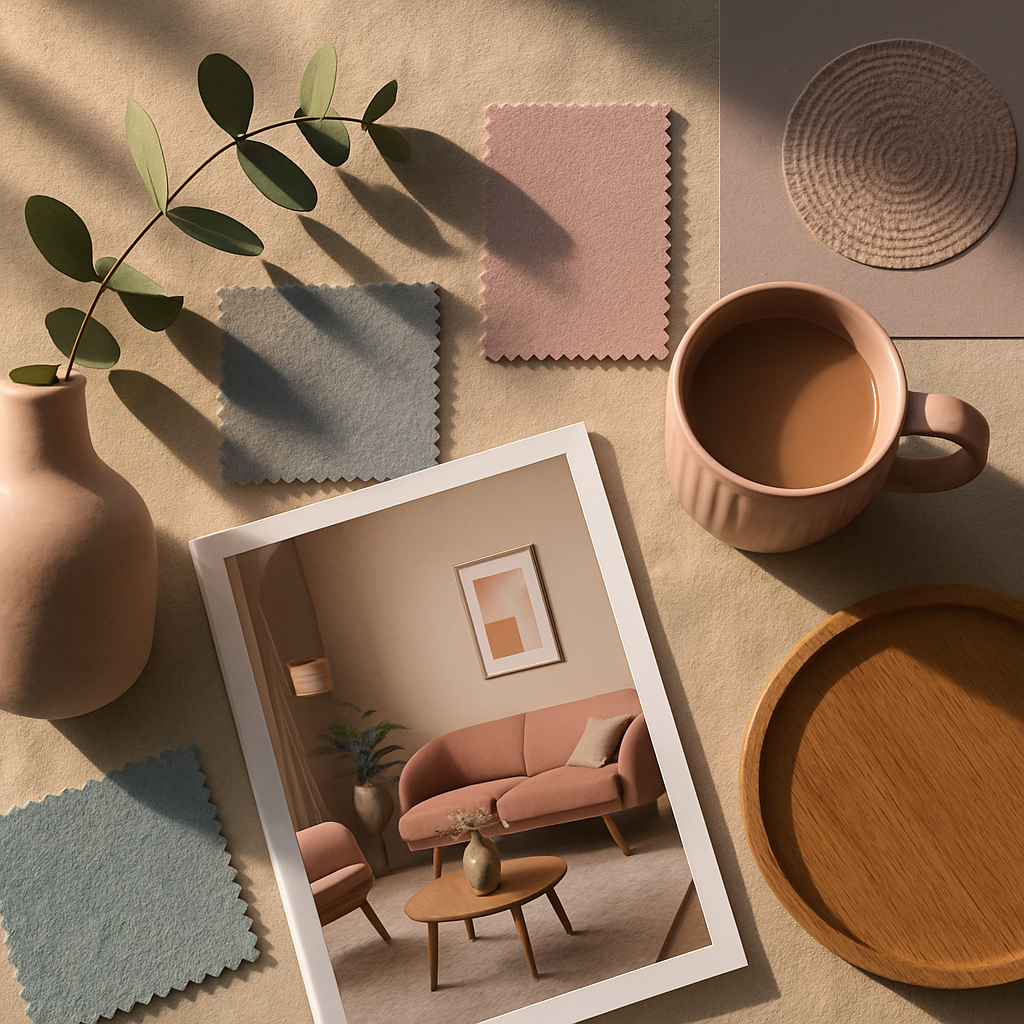
The importance of data is also evident in color choices. The Pantone Color Institute's research reveals that consumers gravitate towards calming hues, like earth tones and soft blues, reflective of a broader desire for tranquility in home environments. Experienced professionals often note that color preferences can significantly impact the ambiance of a room, influencing mood and productivity.
Actionable Strategies for Incorporating 2024 Trends
Ready to incorporate these trends into your home? Start by embracing biophilic design. Introduce indoor plants, natural wood elements, and water features to create a tranquil environment. Consider using vertical gardens or living walls as a striking feature that acts as both a design statement and a functional air purifier. You might ask yourself, which natural elements resonate with your personal style?
Next, enhance your space with smart home technology. Begin by installing smart lighting systems that allow you to adjust the ambiance with a simple voice command or app control. Automated window treatments can help regulate temperature and light, providing both comfort and energy savings. Platforms like Houzz offer a wealth of inspiration for integrating these technologies seamlessly into your home design.
When it comes to sustainable materials, look for furniture and decor made from recycled or responsibly sourced materials. Reclaimed wood tables, eco-friendly upholstery, and recycled metal fixtures not only reduce your carbon footprint but also add unique character to your home. Ask yourself, how can you incorporate sustainable practices into your design choices?
Expert Insights into Design Execution
Executing these trends requires a nuanced understanding of design principles. Certified interior designers, particularly those with NCIDQ (National Council for Interior Design Qualification) credentials, emphasize the importance of a cohesive design plan. This entails mapping out each room's functionality and flow before selecting materials and technologies. An effective design plan ensures that all elements work harmoniously.
Furthermore, the design presentation phase is critical. Using AR/VR tools, designers can now create virtual walkthroughs of proposed designs, allowing clients to visualize changes before implementation. This technology is particularly beneficial for complex projects, as it helps prevent costly mistakes and ensures client satisfaction. The use of such tools is becoming standard practice among top design firms.
Procurement is another area where expert insight is invaluable. Establishing relationships with suppliers and understanding the intricacies of sourcing sustainable materials can greatly impact project outcomes. Many designers rely on platforms like ASID and IIDA for networking and resource sharing, which facilitate smoother procurement processes and ensure access to high-quality materials.
Additional Depth: Budgeting and Project Planning
Budgeting is a crucial aspect of any interior design project. On average, a single room redesign can cost between $5,000 and $15,000, while a full-home renovation might range from $50,000 to $150,000 or more. Understanding these cost structures helps in planning and prioritizing design elements effectively. Are you prepared to allocate your budget to align with your design goals?
Designers often charge based on different fee structures, including flat fees, hourly rates, or a percentage of the total project cost. For instance, hourly rates typically range from $150 to $500, depending on the designer's experience and the project's complexity. Being aware of these options allows you to choose a payment structure that best fits your project needs.
Finally, planning for unexpected expenses is essential. Experienced professionals recommend setting aside an additional 10-15% of your budget for contingencies. This buffer can cover unforeseen costs during procurement or installation, ensuring that the project stays on track and within budget. Proper planning and budgeting can significantly enhance the overall design experience.
Final Perspectives on 2024 Design Trends
As 2024 unfolds, the fusion of technology and nature in interior design will continue to captivate homeowners and designers alike. The trends outlined in this article offer a roadmap for creating spaces that are both innovative and comforting. From biophilic design to smart home integration, these concepts reflect a broader cultural shift towards sustainable and intelligent living environments.
Whether you're embarking on a complete home overhaul or simply refreshing a single room, these trends provide a foundation for making informed design decisions. Consider how each element can enhance your lifestyle and align with your values. What small changes can you make today that will have a lasting impact on your home's aesthetic and functionality?
As you explore these ideas, remember that the key to successful interior design lies in personalization and thoughtful execution. By understanding the principles and trends discussed here, you can create a home that truly reflects who you are while staying at the forefront of design innovation.
Conclusion
In conclusion, the interior design trends of 2024 offer exciting opportunities to transform your space into a sanctuary that marries style with functionality. By leveraging biophilic elements, smart technology, and sustainable materials, you can create a home that is both modern and timeless. As you embark on your design journey, keep in mind the importance of planning, budgeting, and seeking professional guidance when needed.
Ready to start your transformation? Begin by browsing portfolios on Houzz this week. Even just 20 minutes of research will sharpen your eye for what you want. As you dive into design possibilities, remember that each choice can bring you closer to a space that truly reflects your personality and enhances your lifestyle.


Comments
Post a Comment