Transform Your Space: 10 Kitchen Interior Design Trends for 2023
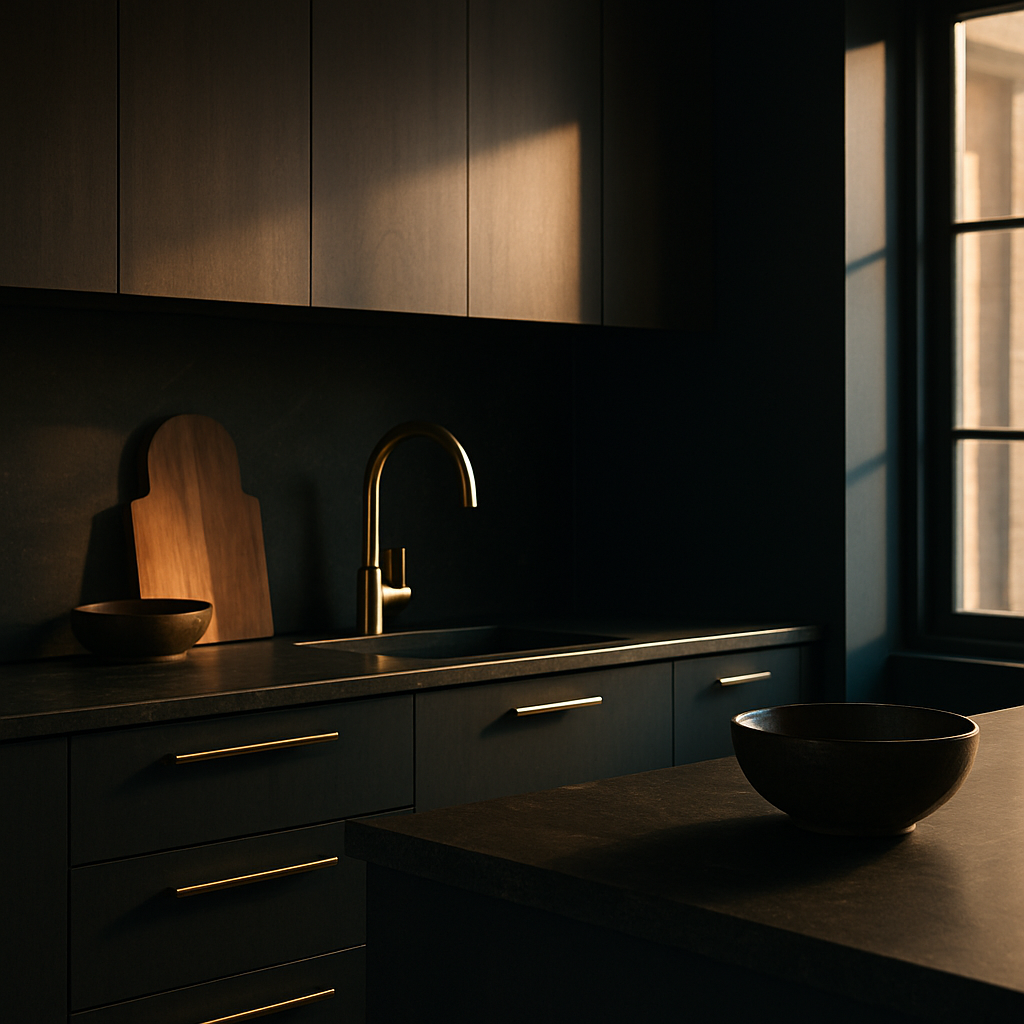
Have you ever walked into a kitchen and felt an immediate sense of calm or excitement? This reaction is often the result of strategic interior design choices that resonate with current trends and personal style. As we move into 2023, kitchens are evolving into multifunctional spaces that blend aesthetics and functionality like never before. From sustainable materials to smart technology, the kitchen design landscape is shifting towards more thoughtful and tailored environments. This article will guide you through the top 10 kitchen interior design trends for 2023, providing insights into foundational concepts, deep analysis backed by data, actionable strategies, and expert-level details to transform your culinary space.
Sustainable Materials and Eco-Friendly Design
The push towards sustainability is more than just a trend; it's a shift in values that reflects our growing concern for the environment. In 2023, kitchens are embracing eco-friendly materials like reclaimed wood, recycled metal, and low-VOC finishes. According to the American Society of Interior Designers (ASID), 70% of homeowners express interest in sustainable design elements. This preference not only reduces environmental impact but also adds unique character and charm to the kitchen.
Reclaimed wood, for instance, is being used for cabinetry and flooring, offering a rustic yet modern aesthetic. Coupled with recycled metal fixtures, these materials bring an industrial edge that's both stylish and sustainable. Experienced designers often note that the use of such materials can contribute to the overall well-being of the inhabitants, creating a healthier living space by minimizing toxic emissions.
Are you considering a kitchen remodel this year? If so, think about incorporating eco-friendly elements. Not only do they offer environmental benefits, but they can also increase your home's resale value by up to 10%, according to Houzz survey data. As we transition into the next section, let's explore how technology is revolutionizing the kitchen space.
Smart Technology Integration
Technology has permeated every aspect of our lives, and the kitchen is no exception. Smart home integration is a major trend for 2023, with innovations designed to make cooking, cleaning, and entertaining easier and more enjoyable. Smart appliances, lighting systems, and even automated window treatments are becoming standard features in modern kitchens. According to Architectural Digest's AD PRO network, kitchens equipped with smart technology can enhance user convenience by up to 30%.
Imagine a refrigerator that notifies you when you're low on groceries or a stove that can be controlled remotely from your smartphone. These are not futuristic concepts but current realities that are reshaping how we interact with our kitchens. The integration of smart technology not only boosts efficiency but also adds a layer of luxury and sophistication to the space.
When planning your kitchen upgrade, consider how technology can streamline your daily routines. Are there aspects of your kitchen experience that feel outdated or cumbersome? By embracing smart technology, you can create a kitchen environment that's not only functional but also anticipates your needs. Next, we'll delve into the rising trend of biophilic design and its impact on kitchen interiors.
Biophilic Design: Bringing the Outdoors In
Biophilic design is a concept that emphasizes the connection between humans and nature, and it's gaining momentum in kitchen design. This trend focuses on incorporating natural elements like plants, natural light, and organic textures into indoor spaces. According to the International Interior Design Association (IIDA), biophilic design can improve mood and productivity by up to 15%, making it a valuable addition to any home.
Incorporating greenery into the kitchen, whether through indoor herb gardens or potted plants, can create a refreshing and vibrant atmosphere. Large windows that allow for ample natural light, paired with materials like stone and wood, also contribute to a biophilic environment. The use of living walls, which feature vertical plant arrangements, is another innovative way to integrate nature into your kitchen.
Do you find yourself longing for a breath of fresh air while cooking? By adopting biophilic design principles, you can transform your kitchen into a serene oasis that revitalizes both body and mind. As we continue, we'll examine the understated elegance trend and how it's influencing kitchen aesthetics.
Quiet Luxury and Understated Elegance
Quiet luxury is all about creating a space that exudes elegance without being ostentatious. This trend emphasizes high-quality materials and craftsmanship alongside a muted color palette. In 2023, kitchens are increasingly showcasing understated elegance through fine details and minimalist design. According to industry surveys, the demand for subtle luxury in home design has increased by 25% over the past year.
To achieve this look in your kitchen, consider investing in high-end finishes such as marble countertops, custom cabinetry, and premium fixtures. The emphasis is on timeless design elements that will retain their appeal over the years. Neutral tones like soft grays, creams, and taupes are popular choices, creating a calming backdrop that highlights the quality of the materials.
Is your kitchen filled with bold colors and busy patterns that feel overwhelming? By shifting towards quiet luxury, you can create a harmonious space that feels both refined and welcoming. As we move forward, we'll explore how the Japandi style is redefining kitchen interiors.
Japandi: A Fusion of Minimalism and Warmth
Japandi is a design style that marries Japanese minimalism with Scandinavian warmth, and it's making waves in kitchen interiors. This trend is characterized by clean lines, uncluttered spaces, and a focus on functionality, all while ensuring a cozy and inviting atmosphere. According to the National Council for Interior Design Qualification (NCIDQ), Japandi design is predicted to remain popular throughout 2023 and beyond.
In a Japandi-inspired kitchen, you might find wooden accents, simple cabinetry, and natural textures like linen and wool. The color palette tends to be neutral, with an emphasis on earthy tones and muted pastels. The overall effect is one of balance and harmony, where every element serves a purpose and contributes to the space's tranquility.
If your kitchen feels chaotic or cluttered, consider adopting the Japandi style. By focusing on simplicity and warmth, you can create a kitchen environment that's both functional and aesthetically pleasing. Next, we'll take a look at how sustainable practices are being further integrated into kitchen design.
Advanced Sustainable Practices
Beyond the use of sustainable materials, kitchens in 2023 are incorporating advanced sustainable practices to minimize environmental impact. This includes energy-efficient appliances, water-saving fixtures, and waste-reducing systems. According to the Environmental Protection Agency (EPA), kitchens that implement these practices can reduce energy consumption by up to 20%.
Energy-efficient appliances, such as induction cooktops and LED lighting, are becoming essential components of an eco-conscious kitchen. Similarly, water-saving fixtures like low-flow faucets and smart irrigation systems for indoor plants contribute to sustainability efforts. Designers are also exploring innovative ways to reduce waste, such as composting solutions and recycling stations integrated into cabinetry.
Are you looking to make your kitchen more sustainable? By adopting these advanced practices, you can significantly reduce your environmental footprint while creating a modern and efficient space. As we conclude, we'll summarize the key trends and offer a practical next step for transforming your kitchen.
Conclusion
The kitchen design landscape for 2023 is rich with trends that emphasize sustainability, technology, and timeless elegance. By incorporating sustainable materials, smart technology, biophilic elements, and understated luxury, you can create a kitchen that not only meets your functional needs but also enhances your quality of life. Whether you're drawn to the serene nature of Japandi or the cutting-edge innovation of smart appliances, there's a trend to fit your vision.
So, what's your next step in transforming your kitchen? Start by browsing designer portfolios on platforms like Houzz to gather inspiration and identify elements you'd like to incorporate. Even dedicating just 20 minutes this week can sharpen your eye for what resonates with your style. The key is to blend these trends with personal touches, ensuring your kitchen reflects both current design movements and your unique personality.



Comments
Post a Comment