Transform Your Space: 10 Exclusive Interior Design Styles to Elevate Your Home
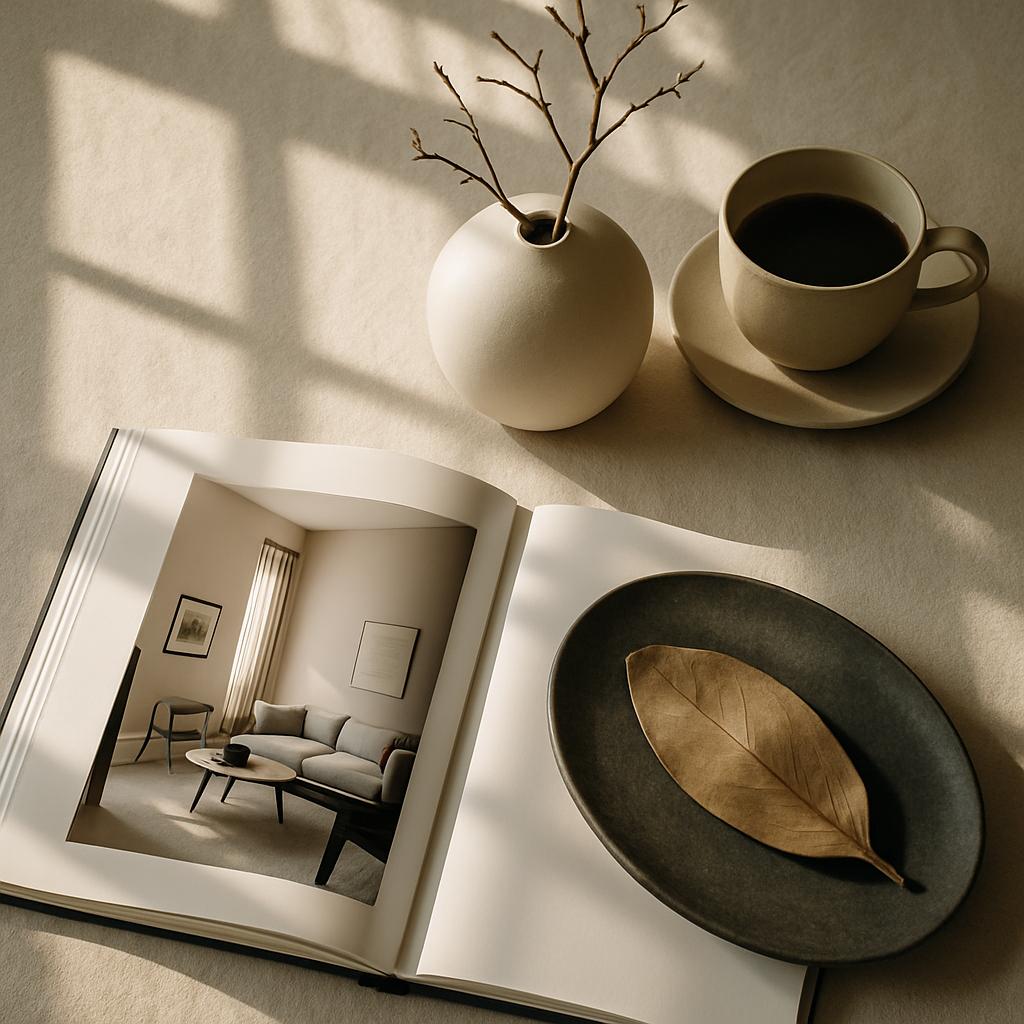
The decision to transform your living space represents more than a decorating project; it is a commitment to reshaping the daily experience of the place where you spend more waking hours than anywhere else. With professional interior design fees ranging from $150 to $500 per hour and room-level budgets spanning $5,000 to $15,000 for material and furnishing costs alone, understanding the stylistic options available to you before committing resources is both practically wise and creatively empowering. A 2023 report by the International Interior Design Association (IIDA) found that homeowners who invested time in defining their preferred style before beginning a project reported 40% higher satisfaction with completed results compared to those who made decisions reactively during the construction process. The ten styles explored here represent the most compelling and actionable design directions available today, each offering a distinct philosophy of how space, material, light, and form can combine to create environments that transcend the merely functional. Which of these approaches speaks to the life you are building within your walls?
Japandi: Where Eastern Restraint Meets Northern Warmth
Japandi has proven itself more durable than the typical design trend, evolving from a social media buzzword into a legitimate design philosophy embraced by studios across three continents. The style draws its emotional character from two cultural traditions that independently arrived at similar conclusions about the relationship between simplicity and wellbeing: Japanese wabi-sabi, with its reverence for imperfection and impermanence, and Scandinavian hygge, with its pursuit of everyday comfort and democratic beauty. Together, these influences produce interiors that feel both disciplined and deeply humane, spaces where every object has been considered but nothing feels forced or performative. The ASID has documented sustained client interest in Japandi principles across residential, hospitality, and wellness facility projects.
Material selection defines the Japandi experience. Unfinished or lightly oiled woods in pale tones, think white oak, ash, and birch, provide warm, tactile surfaces that age gracefully. Handmade ceramics with visible throwing marks replace mass-produced equivalents, introducing subtle irregularities that the eye finds restful rather than distracting. Linen and cotton textiles in undyed or naturally dyed tones soften furniture forms and connect interior surfaces to the organic world outside. Stone appears sparingly but intentionally, perhaps as a sink basin carved from a river boulder or a hearth surround in rough-split slate. The color palette restrains itself to the tones these materials produce naturally: cream, oatmeal, charcoal, sage, and the warm gray of weathered timber.
Living in a Japandi space requires a commitment to ongoing curation that some find liberating and others find demanding. The style does not tolerate visual clutter, and maintaining its serene character means regularly evaluating whether each object in a room continues to earn its place. Storage solutions must be generous and thoughtfully designed, hiding daily necessities behind smooth facades while keeping only the most beautiful functional objects visible. Smart home technology integrates exceptionally well, with concealed speakers, automated lighting, and hidden climate controls supporting the atmosphere of calm intentionality that defines the aesthetic. For homeowners whose natural instincts lean toward order, quality, and quiet sophistication, Japandi offers a design framework that rewards discipline with daily tranquility.
Biophilic Design: Engineering the Nature Connection
Biophilic design has transcended trend status to become a foundational principle that influences projects across all other style categories. Rooted in E.O. Wilson's biophilia hypothesis, which proposes that human wellbeing depends partly on sustained contact with natural systems, the approach systematically introduces natural elements into interior environments. The American Society of Interior Designers (ASID) published landmark research in 2023 showing that biophilic interventions correlated with a 15% increase in occupant-reported satisfaction and a measurable reduction in stress biomarkers. These findings shifted biophilic design from aesthetic preference to evidence-based practice, giving designers quantitative ammunition for specifications that might otherwise be dismissed as decorative indulgence.
Implementation strategies span a wide range of complexity and cost. At the accessible end, increasing plant density, specifying natural materials for key surfaces, and maximizing daylight penetration through window treatments and room layout adjustments can transform a conventional interior with modest investment. At the ambitious end, living walls supported by automated irrigation systems, interior water features with recirculating pumps, operable green walls that connect rooms to outdoor planted areas, and circadian-responsive lighting systems that simulate natural light cycles throughout the day represent significant infrastructure investments that fundamentally reshape the spatial experience. Houzz documented a 92% year-over-year increase in projects incorporating multiple biophilic elements during 2023.
The psychological mechanisms behind biophilic design's effectiveness are becoming increasingly well understood. Natural materials and organic forms activate the parasympathetic nervous system, reducing cortisol levels and heart rate. Views of greenery improve concentration and reduce mental fatigue. The sound of moving water masks urban noise while providing a psychologically restorative auditory environment. Even representations of nature, such as botanical wallpapers, landscape photography, and organic sculptural forms, produce measurable wellbeing benefits, though direct exposure to living systems produces the strongest effects. How much genuine contact with nature does your current home provide, and what would shift in your daily energy, focus, and emotional state if that contact doubled?
Quiet Luxury: The Connoisseur's Approach to Premium Living
Quiet luxury represents a philosophical rejection of conspicuous consumption in favor of intrinsic quality that rewards knowledge and attention rather than casual observation. The style has deep roots in certain European and Japanese design traditions that have long valued understated excellence, but its current mainstream prominence reflects a broader cultural recalibration driven by sustainability awareness, minimalist influence, and a sophisticated client base that finds overt display unsatisfying. AD PRO identified quiet luxury as the dominant design direction among high-end residential projects in 2023, reporting that requests for "understated elegance" outpaced "statement design" by a three-to-one margin in their annual industry survey.
Specifying for quiet luxury demands exceptional material knowledge because the entire effect depends on the inherent quality of surfaces, fabrics, and finishes rather than on decorative additions that signal expense. A plaster wall finished by a skilled artisan develops a luminous depth that flat paint cannot achieve, but the difference registers as atmospheric quality rather than identifiable luxury. Hardware machined from solid brass rather than plated zinc alloy feels different in the hand and ages differently over decades, but the distinction is tactile and temporal rather than visual. Stone surfaces selected individually for their veining patterns, wood panels bookmatched across entire walls, and textiles woven from rare natural fibers, these are the building blocks of quiet luxury, and each requires a designer with the expertise to source, specify, and install with precision. The NCIDQ recognizes this material expertise as a core professional competency.
Color in quiet luxury environments avoids both stark contrast and obvious drama, favoring instead complex neutrals whose undertones shift with changing light conditions. A single wall might read as warm putty in the morning, cool mushroom at midday, and faintly rose at sunset, creating a dynamic visual experience from a static surface. This chromatic subtlety requires careful testing during the specification process, with large samples evaluated at multiple times of day and under both natural and artificial lighting conditions. Professional designers working in this register typically invest more hours in material research and sample evaluation than in any other project phase, which accounts for the style's association with higher professional fees. The return on that investment is an interior that deepens in appeal over years rather than fading in relevance with each passing season.
Industrial Chic: Refined Raw Character
Industrial design has matured significantly from its origins in converted urban loft spaces, evolving into a refined aesthetic that celebrates structural honesty and material authenticity while accommodating contemporary comfort expectations. The raw warehouse conversion remains the style's spiritual home, but contemporary industrial interiors apply the same philosophical principles, exposed materials, visible construction methods, and an honest relationship between structure and surface, to purpose-built spaces and conventional homes. The IIDA tracks industrial chic as a consistently requested style in urban residential markets, noting its particular resonance among clients who value authenticity and reject what they perceive as the artificiality of highly finished interiors.
The material palette centers on materials that show their working character: exposed concrete with visible formwork marks, steel beams that retain their mill finish, reclaimed wood planks with nail holes and patina, and brick walls whose irregularities tell stories of previous lives. The refinement that distinguishes contemporary industrial chic from crude warehouse living appears in the softening elements that make these hard materials livable: deep leather seating that develops character with use, oversized wool and linen textiles that absorb sound and provide warmth, and lighting installations that combine industrial forms with warm, comfortable illumination. Edison-filament bulbs, while somewhat overused, remain popular because their warm glow complements the cool tones of steel and concrete effectively.
Adapting industrial elements to conventional homes requires selective application rather than wholesale commitment. A concrete-topped kitchen island, a steel-framed glass partition, or a feature wall of reclaimed brick can inject industrial character into an otherwise traditional space without overwhelming it. Color palettes remain largely neutral, drawn from the natural tones of the constituent materials: warm grays, rusty reds, weathered browns, and matte blacks. According to Houzz, 41% of homeowners who identify with industrial style live in conventional suburban homes rather than converted industrial spaces, demonstrating the style's adaptability. The key to successful implementation lies in balancing the rugged character of industrial materials with enough warmth and softness to prevent the space from feeling inhospitable. What structural elements in your home might benefit from being revealed rather than concealed?
Art Deco Revival: Geometric Glamour for Modern Living
Art Deco's periodic returns to contemporary relevance demonstrate the enduring appeal of its core principles: geometric precision, material luxury, and confident visual drama. The 2023 revival drew energy from several converging forces, including the centennial celebrations of the 1925 Paris exposition that gave the style its name, a cultural appetite for glamour after years of minimalist restraint, and the photogenic quality of Art Deco elements that translates powerfully to visual social media platforms. AD PRO documented a 35% increase in Art Deco-inspired project requests, while auction prices for original period furniture and decorative objects reached record levels, indicating demand from both design professionals and serious collectors.
Contemporary Art Deco applications typically select signature elements, geometric patterning, metallic accents, luxurious upholstery, and jewel-tone colors, rather than attempting a comprehensive period recreation. A dining room might feature a sunburst mirror, velvet-upholstered chairs in emerald green, and a geometric-patterned ceiling treatment while maintaining contemporary proportions and modern lighting technology. Bathrooms and powder rooms provide particularly effective canvases for Art Deco treatments, where concentrated application of patterned tile, metallic fixtures, and decorative mirror framing creates maximum visual impact within contained square footage. The NCIDQ examines Art Deco as part of its design history curriculum, ensuring that professional designers understand the principles well enough to apply them authentically.
Materials associated with Art Deco, polished brass, marble, lacquered wood, mirror, and rich velvets, carry inherent expense that positions the style firmly in the mid-to-upper budget range. A fully committed Art Deco room might require $10,000 to $15,000 or more in materials and furnishings, particularly when custom millwork or imported stone is involved. However, the style's strong visual identity means that even a few well-chosen pieces can establish an Art Deco character within a more moderately decorated room. A pair of brass wall sconces, a geometric area rug, or a velvet sofa in a deep jewel tone can introduce glamour without requiring a comprehensive and costly renovation. The style rewards confidence and benefits from restraint in application: a few powerful Art Deco statements against a quieter background typically read more successfully than an exhaustive accumulation of period references.
Mediterranean Revival: Sun-Washed Warmth and Textural Richness
Mediterranean design draws from the architectural and decorative traditions of Spain, Italy, Greece, and coastal North Africa, producing interiors characterized by warmth, texture, and a relaxed relationship between indoor and outdoor living. Terracotta tile floors, lime-washed plaster walls, wrought iron details, and natural stone surfaces form the material foundation of the style, creating environments that feel connected to earth, sun, and sea regardless of their actual geographic location. The ASID has observed renewed interest in Mediterranean-influenced design among homeowners in temperate and warm climates, where the style's emphasis on thermal mass, cross-ventilation, and shaded outdoor rooms aligns with both aesthetic preferences and practical climate response strategies.
Color palettes in Mediterranean interiors reflect the landscapes that inspire them: warm terracotta and ochre earth tones, sun-bleached white and cream, deep sea blues, and the silvery green of olive foliage. These colors appear on hand-finished plaster walls whose subtle irregularities catch light differently across their surfaces, creating a play of shadow and luminosity that flat-painted walls cannot replicate. Decorative tile, whether produced by traditional methods or sourced from contemporary manufacturers inspired by historic patterns, provides accent color and geometric interest on floors, stair risers, kitchen backsplashes, and bathroom surfaces. The IIDA notes that Mediterranean-inspired tile patterns represent one of the most commercially successful crossover elements, appearing frequently in eclectic and transitional interiors alongside non-Mediterranean furniture and accessories.
Outdoor-indoor connectivity is fundamental to Mediterranean design, and contemporary interpretations expand upon this principle through retractable glass walls, covered terraces with full kitchen and living facilities, and courtyard plans that bring light and greenery into the center of the home. These architectural strategies support biophilic design principles and energy efficiency simultaneously, using thermal mass to moderate temperature swings and cross-ventilation to reduce mechanical cooling requirements. Furniture selection favors pieces with visible weight and substance, solidly built tables, upholstered seating with generous proportions, and storage pieces that function as visual anchors. If your ideal home feels warm, substantial, connected to the outdoors, and rich with textural detail, Mediterranean design provides a comprehensive vocabulary for achieving that vision.
Maximalist Eclectic: The Art of Abundant Curation
Maximalist eclectic design celebrates the idea that a home should reflect the full complexity of its occupants' experiences, interests, and aesthetic pleasures, rejecting the notion that restraint automatically equals sophistication. This style requires perhaps the most developed design eye of any approach listed here, because its success depends on maintaining visual harmony within abundance, a far more difficult balancing act than achieving harmony through reduction. Houzz analytics show that maximalist rooms receive 3.4 times more engagement than minimalist equivalents, suggesting that the emotional resonance of richly layered spaces runs deep even among viewers who might not adopt the style themselves. The NCIDQ examination addresses the composition principles that underpin effective maximalist design, including balance, rhythm, emphasis, and proportion.
Building a maximalist eclectic interior is an ongoing creative process rather than a single design event. Pieces accumulate through travel, inheritance, gallery visits, flea market discoveries, and commissioned work, and the designer's role is to compose these diverse elements into a coherent visual narrative. Color serves as the primary unifying tool: a room may contain objects from six different cultures and four different centuries, but a shared palette of deep reds, aged golds, and forest greens threads them into a family. Pattern mixing follows a similar logic, with varied motifs unified by scale relationships and color consistency. The most successful maximalist rooms also maintain structural clarity beneath their decorative richness, with well-defined furniture groupings, adequate circulation space, and lighting that renders the layered surfaces with enough clarity to appreciate individual elements.
The distinction between successful maximalism and visual chaos lies in editing, the willingness to remove objects that do not contribute to the overall composition even when they are individually appealing. Professional designers working in this mode recommend periodic audits during which every element is evaluated against the question: does this contribute to the story this room tells? Objects that no longer serve the narrative are rotated out, perhaps to other rooms, to storage, or to new owners, maintaining the dynamic quality that keeps maximalist spaces alive and evolving. If your instincts rebel against the idea of choosing one style, one palette, or one cultural reference, maximalist eclecticism offers not just permission but enthusiastic encouragement to honor the full breadth of your aesthetic appetites.
Smart-Integrated Minimalism: Technology as Architecture
Smart-integrated minimalism merges the aesthetic ambitions of minimalist design with the functional capabilities of home automation technology, using each to amplify the other. In this approach, technology does not merely coexist with minimalist interiors but actively enables their clean-lined purity. Motorized storage panels eliminate the need for visible hardware. Concealed projection systems replace televisions. Lighting is architectural rather than fixture-based, emanating from coves, reveals, and material edges rather than from identifiable light sources. The ASID published research in 2023 indicating that homes with integrated automation systems retain higher resale values than comparable properties with add-on technology, confirming the market's preference for seamless implementation over retrofitted solutions.
Implementation requires close collaboration between interior designers, architects, and technology integrators from the earliest project phases. Conduit paths must be planned before walls are framed. Motorized mechanisms require structural reinforcement. Control systems demand network infrastructure that has traditionally been an afterthought in residential construction. The investment reflects this complexity: a comprehensively integrated smart minimalist home might allocate 15-25% of total project budget to technology infrastructure, with systems ranging from $15,000 for essential lighting and climate automation to well over $100,000 for full-house integration including security, audio-visual, and automated spatial reconfiguration elements. These are not cosmetic additions but fundamental components of the architectural concept.
The daily experience of living in a smart-integrated minimalist space differs qualitatively from both conventional minimalism and conventional smart home environments. Rooms respond to your presence and habits without requiring conscious interaction, adjusting light levels, temperature, and acoustic conditions to support whatever activity you are engaged in. AR and VR technologies allow you to reconfigure virtual elements of your space, projecting different artwork, changing wall colors through dynamic lighting, or creating immersive ambient environments that transform a bedroom into a forest glade or a seaside retreat. These capabilities redefine what minimalism can mean, shifting the conversation from "how little can a room contain" to "how much can a room do with how little visible infrastructure." Does the idea of a home that thinks alongside you feel like liberation or surveillance?
Conclusion
These ten design styles represent a spectrum of philosophies about how interior spaces should look, function, and make their occupants feel. From the serene intentionality of Japandi to the exuberant self-expression of maximalist eclecticism, from the evidence-based wellness strategies of biophilic design to the technological ambition of smart-integrated minimalism, each approach offers a coherent set of principles for transforming generic rooms into environments that actively support and enrich the lives lived within them. The most effective choice is not necessarily the most visually striking or the most currently fashionable, but the one that aligns most honestly with how you live, what you value, and what you want to feel when you walk through your front door.
Begin your exploration by visiting showrooms, attending design exhibitions, and consulting the educational resources published by the ASID, IIDA, and NCIDQ. Collect images that consistently attract you and look for the underlying principles they share. Then consider engaging a professional designer who can translate your preferences into spatial reality, navigating the technical complexities of material specification, contractor coordination, and budget management that separate aspirational mood boards from finished, livable homes. The investment in your living environment is an investment in every day you will spend within it, and the ten styles presented here provide a comprehensive starting point for making that investment with confidence, clarity, and genuine personal intention.



Comments
Post a Comment