Transform Your Living Room: 10 Interior Design Tips for a Cozy Space
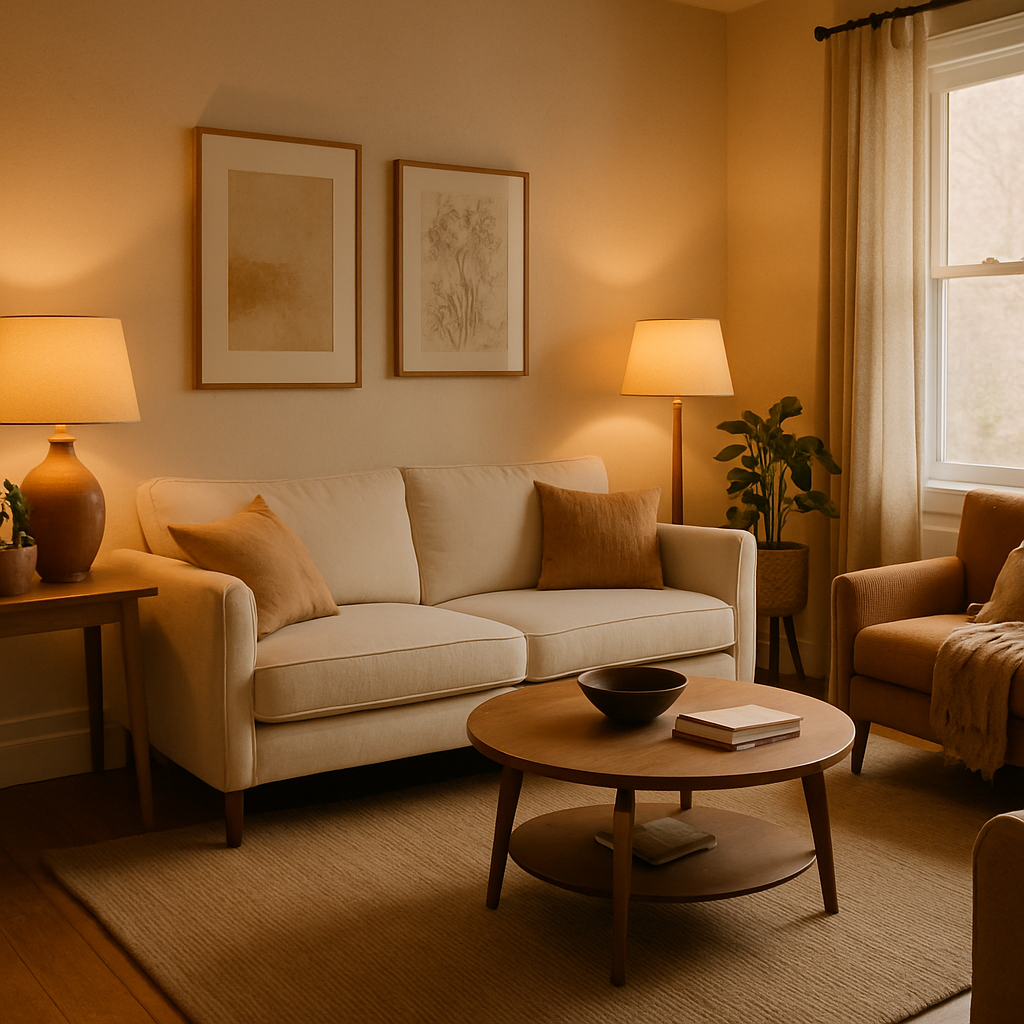
The living room occupies a paradoxical position in modern home life: it must be relaxing enough for solitary downtime, stimulating enough for social gatherings, and flexible enough to serve as a home office, playroom, or reading nook on any given day. According to a 2024 report by the American Society of Interior Designers (ASID), the average American household spends 4.2 hours per day in the living room, more than in any other space except the bedroom. That volume of daily use means every design decision accumulates into an experience that either supports well-being or subtly erodes it. Creating a genuinely cozy living room is not about piling on throw pillows and calling it done; it requires a deliberate strategy that addresses spatial layout, sensory experience, and emotional resonance in equal measure. The ten tips that follow draw on principles endorsed by leading organizations including ASID, the International Interior Design Association (IIDA), and Houzz, translating professional expertise into actionable guidance for homeowners at any budget level.
Anchor the Room with a Purposeful Furniture Layout
Coziness begins with proximity, and the furniture layout determines how close people sit to each other, to the fireplace or focal wall, and to the pathways that connect the room to the rest of the home. The most common mistake in living room design is pushing all furniture against the walls, which creates a cavernous center void and forces conversation across an uncomfortable distance. Pulling seating pieces toward the center of the room and arranging them in a conversational grouping, typically an eight-to-ten-foot diameter circle or rectangle, creates intimacy regardless of room size. The IIDA's residential guidelines recommend a maximum conversation distance of eight feet between opposing seats, beyond which voices must be raised and eye contact becomes strained. Floating the sofa away from the wall by even twelve inches creates a secondary zone behind it that can accommodate a console table, a narrow bookshelf, or a reading lamp, adding function without adding furniture.
The focal point of the room should anchor the layout, and identifying it correctly prevents the disjointed feeling that arises when furniture faces multiple competing features. A fireplace, a large window with a compelling view, or a media wall each qualifies as a focal point, but the room should have only one primary anchor. If the television and the fireplace occupy different walls, the layout must prioritize one and subordinate the other, perhaps by mounting the TV above the mantel or by creating a secondary seating area oriented toward the screen. Area rugs define the conversational zone physically and visually: a rug large enough to sit under the front legs of every seating piece unifies the group, while a rug that is too small floats awkwardly in the center and fragments the arrangement. For a standard sofa-and-two-chairs grouping, an eight-by-ten-foot rug typically provides adequate coverage.
Traffic flow deserves equal attention because a room that requires visitors to navigate an obstacle course of furniture legs and sharp corners never feels relaxed. Maintain at least 30 inches of clearance for primary walkways and 18 inches between seating pieces and coffee tables so people can sit down and stand up without contortion. If the living room also serves as a thoroughfare between the kitchen and bedrooms, route the path around the conversational grouping rather than through it. This single adjustment transforms the seating area from a transit hub into a destination, and the psychological shift toward coziness is immediate. Have you mapped the actual walking paths through your living room, including the ones you take in the dark on the way to the kitchen at midnight? That exercise often reveals layout problems that habit has made invisible. With the furniture grounded in a purposeful arrangement, the next layer of coziness comes from the color and paint choices that wrap the room.
Choose a Warm, Enveloping Color Scheme
Color establishes the emotional baseline of a room before a single piece of furniture is noticed, and in the living room, warmth is the quality that most reliably produces a sense of coziness. Warm neutrals such as taupe, camel, mushroom, and warm gray create a backdrop that feels embracing rather than clinical. These tones absorb light softly, reducing the harsh reflections that cool whites and bright colors produce, and they harmonize naturally with the wood, leather, and textile materials that dominate comfortable living rooms. Architectural Digest's AD PRO platform reported in 2024 that warm neutral paint sales outpaced cool neutral sales for the first time in a decade, signaling a broad consumer shift away from the gray-and-white minimalism that defined the previous era. The quiet luxury movement, which prizes understated richness over conspicuous statement, has accelerated this shift by demonstrating that restraint and warmth are not mutually exclusive.
Color drenching, the technique of applying a single hue across walls, trim, ceiling, and even built-in cabinetry, creates an immersive cocoon effect that amplifies coziness by eliminating visual interruptions. A living room drenched in a deep terracotta, a muted olive, or a rich chocolate feels like a retreat from the overstimulating world beyond its walls. This technique works best with matte or eggshell finishes that absorb light and minimize glare, and it rewards rooms with good natural light that prevents the space from feeling oppressive. For homeowners hesitant to commit to full color drenching, painting the ceiling the same color as the walls, a simpler version of the technique, lowers the visual ceiling height and wraps the room in a warm embrace without the full commitment of matching trim and built-ins.
Accent colors should be introduced through textiles, art, and accessories rather than additional paint colors, keeping the palette cohesive and calming. A rust-toned throw blanket, a set of forest green velvet cushions, or a ceramic vase in burnt sienna adds visual interest without competing with the wall color. The rule of three applies: choose one dominant neutral, one supporting tone (slightly lighter or darker), and one accent hue, and distribute them in a roughly 60-20-10 ratio across the room. This proportional discipline prevents the visual noise that accumulates when too many colors compete for attention. What three colors would you choose if those were the only ones allowed in your living room, and do those choices align with the feeling you want the room to produce? That constraint often clarifies preferences that unlimited options obscure. Color wraps the room, but texture is what makes you want to reach out and touch it, which leads to the next essential layer.
Layer Textures for Tactile Warmth and Visual Depth
Texture is the unsung hero of cozy interior design because it operates on two sensory channels simultaneously: the eye reads texture as visual complexity, and the hand anticipates how a surface will feel before touching it. A room with uniform smooth surfaces, even one with perfect color and layout, reads as cold and uninviting because it offers no tactile promise. Layering textures means combining rough and smooth, matte and sheen, dense and open weave across the room's surfaces, furniture, and accessories. A nubby boucle sofa paired with a smooth leather armchair, a high-pile wool rug underfoot, and a linen curtain at the window creates a sensory gradient that the eye travels across with pleasure. The ASID's design fundamentals curriculum identifies texture layering as one of the five core principles of residential coziness, alongside proportion, color, lighting, and personalization.
Natural materials contribute the richest textures because their surfaces carry the irregularities of organic growth: the grain of walnut, the weave of jute, the nap of mohair, the veining of marble. Biophilic design research, extensively cited by the IIDA, demonstrates that exposure to natural textures reduces physiological stress markers including heart rate and cortisol levels. Incorporating a live-edge wood coffee table, a woven rattan basket for throw blankets, or a stone tray on the side table brings these benefits into the living room without requiring a complete renovation. Even small textural additions, a knitted pouf, a quilted cushion cover, or a hand-thrown ceramic candle holder, register cumulatively to create the sense that the room has been assembled thoughtfully over time rather than ordered from a single catalog page.
The interplay between texture and light deserves particular attention because light reveals or conceals texture depending on its angle and intensity. Side lighting from a table lamp casts shadows across a textured wall finish, emphasizing its dimensionality, while overhead lighting flattens the same surface. A velvet cushion glows under direct light and darkens in shadow, producing a color shift that adds visual movement to the room. Positioning textured objects near light sources maximizes their contribution: a chunky knit throw draped over the arm of a sofa near a floor lamp, for instance, catches light and shadow in alternating folds that make the entire seating area feel warmer. The budget for introducing texture to a living room can be remarkably modest, starting at a few hundred dollars for a quality throw blanket, a set of textured cushion covers, and a natural-fiber basket. These small investments yield outsized returns in perceived coziness. Texture engages the hand and the eye, but the next dimension of coziness, lighting, sets the mood for how those textures are experienced throughout the day and evening.
Design a Layered Lighting Plan That Shifts with Activity
Lighting in a cozy living room must accomplish the seemingly contradictory goals of providing sufficient illumination for reading, cooking, and working while maintaining the soft, warm ambiance that makes the room feel like a refuge. The solution is a layered lighting plan that separates ambient, task, and accent functions into independently controllable circuits. Ambient lighting provides the base layer of general illumination, ideally from dimmable sources that allow the overall brightness to drop as the evening progresses. A pair of table lamps on end tables flanking the sofa, combined with a floor lamp behind a reading chair, distributes light at eye level, which feels more intimate and flattering than ceiling-mounted fixtures that illuminate from above. The IIDA recommends a color temperature between 2700K and 3000K for living room ambient lighting, warm enough to relax the visual system but bright enough to prevent eye strain.
Task lighting addresses specific activities without raising the room's overall brightness. A dedicated reading lamp with an adjustable arm, positioned over the shoulder of the seated reader, provides focused light that does not disturb a partner watching television across the room. A small spotlight highlighting a puzzle table or craft area serves the same purpose. The key to cozy task lighting is containment: the light should fall where it is needed and fade quickly beyond that zone, preserving the gentle ambient darkness that surrounds it. Accent lighting is the layer that transforms a competent living room into an atmospheric one. LED strip lights behind a floating shelf, a candle arrangement on the coffee table, or a backlit piece of art each introduce warm pools of light that create visual rhythm and draw the eye to curated focal points.
Smart lighting technology has made layered control effortless and affordable. A set of smart bulbs controlled by a single app or voice command allows you to create scenes, predefined combinations of brightness and color temperature for different activities. A "morning" scene might set all lamps to 80 percent brightness at 3000K, while an "evening" scene dims them to 30 percent at 2700K and activates the accent lighting behind the shelves. The ability to shift the room's mood with a single command or tap eliminates the friction that discourages people from adjusting their lighting manually, and the cumulative effect on daily comfort is substantial. What would your ideal evening lighting look like if you could design it from scratch, without any of the constraints imposed by your current fixtures? That vision is more achievable than you might expect, often for under $200 in smart bulbs and a free smartphone app. Lighting shapes how the room feels moment to moment, but the objects and art within the room determine what it says about the people who live there.
Curate Personal Objects and Art for Emotional Connection
A cozy living room tells a story about its inhabitants, and the objects displayed within it are the narrative vocabulary. Mass-produced decor from a chain store fills space but fails to create the emotional resonance that genuine coziness requires. Personal objects, a collection of vintage cameras, a stack of well-read cookbooks, framed photographs from a meaningful trip, or a handmade ceramic bowl purchased at a craft fair, carry associations that generic items cannot replicate. The ASID's residential design guidance emphasizes that personalization is not decoration; it is the expression of identity within a space, and it transforms a room from a setting into a home. The challenge is curating these objects with enough restraint that they contribute to the room's visual harmony rather than creating clutter, which is the enemy of coziness despite its superficial similarity to it.
Art anchors the room's aesthetic identity and provides a focal point that draws the eye and invites contemplation. A single large-scale piece above the sofa commands attention and establishes a color reference that the rest of the room can echo. A gallery wall composed of varied frames and media creates a more eclectic, collected look that suits homes where personality trumps polish. The Japandi principle of displaying fewer objects with greater intention applies powerfully here: three meaningful pieces arranged with breathing room between them communicate more than twenty items crowded onto a shelf. Rotating displayed objects seasonally, swapping a lightweight linen throw for a heavy wool one, replacing a bright botanical print with a moody landscape, keeps the room feeling fresh without requiring any permanent changes or significant expenditure.
Books deserve special mention as both functional and decorative elements in a cozy living room. A floor-to-ceiling bookshelf filled with well-read volumes creates a visual texture and intellectual warmth that no other material can match. Even a small collection of twenty or thirty books stacked on a coffee table or arranged on floating shelves signals that the room is a place for thought and leisure. Mixing books with small sculptural objects, a candle, and a trailing plant prevents the arrangement from feeling like a library and keeps it grounded in domestic comfort. The budget for personalizing a living room through curated objects and art varies widely, but starting with what you already own and editing ruthlessly costs nothing and often produces better results than purchasing new items. Remove everything from your shelves and surfaces, then add items back one at a time, asking whether each one earns its place through beauty, meaning, or function. What remains after that exercise is the authentic expression of your life, and that authenticity is the foundation of true coziness. Objects personalize the room visually, but the addition of natural elements connects it to the living world beyond the walls.
Incorporate Biophilic Elements for Natural Comfort
Biophilic design, the systematic integration of nature and natural patterns into built environments, has moved from academic theory to mainstream practice over the past five years, and its impact on living room coziness is supported by substantial research. A 2023 study published in the journal Building and Environment found that rooms with visible plant life scored 23 percent higher on occupant comfort assessments than identical rooms without plants, controlling for temperature, lighting, and furniture. The mechanism is partly visual, as green foliage and organic shapes soften the angular geometry of architecture, and partly physiological, as plants improve air quality by absorbing volatile organic compounds and releasing oxygen. The IIDA has incorporated biophilic design principles into its continuing education requirements, reflecting the profession's recognition that nature connection is not a trend but a fundamental human need with measurable design implications.
Incorporating plants into a living room does not require a green thumb or a greenhouse budget. Low-maintenance species such as pothos, snake plant, ZZ plant, and rubber plant thrive in the moderate light conditions typical of living rooms and tolerate irregular watering schedules. A large floor plant in a woven basket beside the sofa creates a vertical accent that draws the eye upward and fills an otherwise empty corner. A trailing plant on a high shelf adds movement and softness to a hard architectural edge. A collection of small succulents on the coffee table introduces nature at the most intimate scale, inviting close observation. Beyond living plants, biophilic design encompasses natural materials (wood, stone, wool, cotton, linen), natural patterns (fractals, flowing curves, branching forms), and views of nature through windows, all of which contribute to the subliminal sense that the room is connected to the world outside rather than sealed off from it.
Water features, though less common in living rooms than in commercial biophilic design, offer an acoustic dimension that plants alone cannot provide. A small tabletop fountain produces the gentle sound of flowing water, which research consistently identifies as one of the most calming acoustic environments for humans. If a fountain feels impractical, a nature-sounds speaker or a recording of rain on leaves achieves a similar effect during quiet evenings. Natural light itself is a biophilic element, and maximizing its entry through sheer curtains rather than heavy drapes, through light-colored window frames rather than dark ones, and through the strategic placement of mirrors that reflect daylight deeper into the room all enhance the connection to natural rhythms. A living room that incorporates even three or four biophilic elements, a plant, natural materials, a view of greenery, and abundant daylight, achieves a level of comfort that purely synthetic environments struggle to match. Budget for biophilic additions typically runs $200 to $800 for a combination of plants, pots, and a natural-material accessory or two. These natural layers complete the sensory palette, but the final step is ensuring the room adapts to the practical demands of daily life without sacrificing its cozy character.
Build Flexibility into the Room for Evolving Daily Needs
A living room that looks cozy in a photograph but cannot accommodate a board game night, a yoga session, or a laptop workday fails the practical test that separates staged environments from lived-in homes. Flexibility starts with furniture selection: pieces that serve multiple purposes and can be rearranged without heavy lifting. An ottoman with internal storage replaces both a coffee table and a blanket chest. A sofa with a chaise section can be repositioned to face the television or the fireplace depending on the season. Nesting tables expand to hold drinks and snacks during a gathering, then compress into a compact stack when floor space is needed. Houzz's 2024 Living Room Trends report found that 58 percent of homeowners prioritized multifunctional furniture when furnishing their primary living space, up from 41 percent in 2020, reflecting the post-pandemic recognition that rooms must serve more roles than ever.
Storage is the infrastructure that makes flexibility possible, because a room cluttered with the artifacts of yesterday's activity cannot transition smoothly to today's. Closed storage, in the form of media consoles with doors, built-in cabinetry, or stylish storage baskets, keeps blankets, remote controls, toys, and work materials out of sight when they are not in use. The discipline of putting things away after each activity resets the room to its cozy baseline, a practice that Japanese interior philosophy calls "clearing the stage." Open storage, such as floating shelves and display niches, should be reserved for objects that contribute to the room's aesthetic identity. Mixing closed and open storage in a ratio of roughly 70-30 ensures that the room stays tidy while still expressing personality.
Seasonal adaptation is the final dimension of flexibility, and it keeps the living room feeling dynamic rather than static throughout the year. In cooler months, heavier throws, deeper-toned cushion covers, and warm-scented candles amplify the cozy factor. In warmer months, lighter textiles, brighter accents, and fresh-cut flowers shift the mood toward airy relaxation. This cyclical refresh costs little, often under $300 per season if planned around a core collection of versatile base pieces, and it prevents the design fatigue that sets in when a room looks exactly the same every day of the year. The ability to transform the room's mood in an afternoon, without buying new furniture or repainting, is the ultimate expression of flexible design. Professional designers, charging between $150 and $350 per hour for living room consultations, can create a seasonal rotation plan tailored to your existing inventory, turning what you already own into a wardrobe for the room. Budget for a comprehensive living room refresh, including furniture, lighting, textiles, and accessories, typically ranges from $5,000 to $12,000, but meaningful improvements can be achieved at every price point by applying the principles outlined throughout this guide.
Conclusion
Transforming a living room into a genuinely cozy space is a cumulative process that begins with spatial logic and builds through color, texture, lighting, personalization, biophilic connection, and practical flexibility. Each of the ten principles explored in this guide addresses a different dimension of comfort, and together they create a room that supports both solitude and togetherness, productivity and relaxation. The expertise of organizations like ASID, IIDA, and NCIDQ ensures that these principles are grounded in research and professional practice, not just subjective preference. Start your transformation this weekend by choosing one section of this guide that addresses the weakest aspect of your current living room. Rearrange the furniture to tighten the conversation circle. Swap a cool-toned overhead fixture for a warm table lamp. Add a single plant to a bare corner. Each small action shifts the room's character, and the compounding effect of multiple changes, applied thoughtfully over weeks or months, produces a space that welcomes you home every evening with a warmth that no thermostat can replicate. Schedule a two-hour consultation with a certified designer in your area, and bring this guide as your starting point for a conversation that will shape the room you live in most.



Comments
Post a Comment