Transform Your Home: Innovative Interior Design Ideas for Every Room
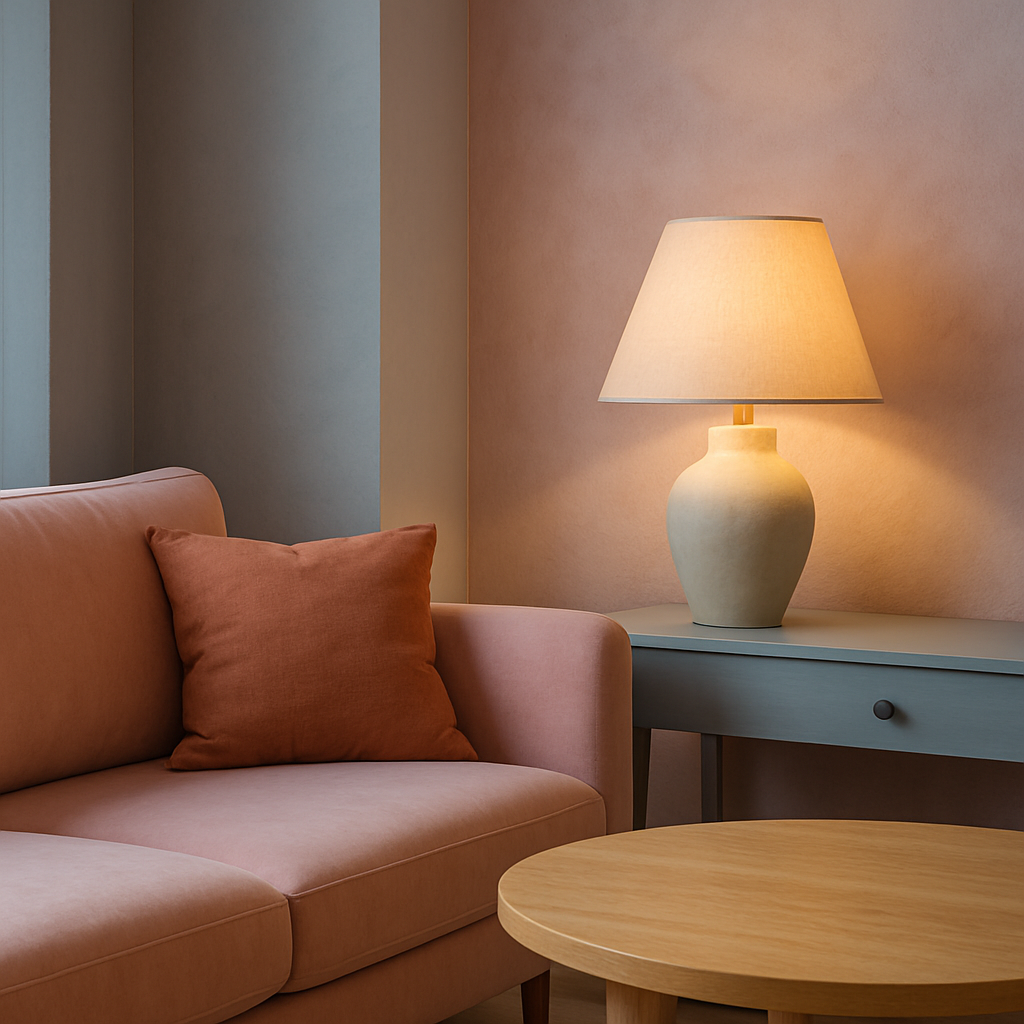
Did you know that a well-designed interior can increase your home's resale value by 5-15%? According to a Houzz survey, homeowners who invest in thoughtful design often reap significant rewards. But transforming your home is about more than financial gain; it's about creating spaces that reflect your personality and lifestyle. This article will guide you through innovative interior design ideas tailored for each room, ensuring your home is not just beautiful but also functional. From foundational concepts to expert-level details and actionable strategies, you'll find everything you need to embark on your home's transformation journey.
Understanding the Foundations of Interior Design
Before diving into specifics, it's crucial to grasp the foundational concepts of interior design. At its core, interior design is about balancing aesthetics and functionality. The most successful interiors address both, creating spaces that are as practical as they are pleasing to the eye. For instance, a living room should not only be visually appealing but also comfortable and conducive to social gatherings. Consider the layout and flow of your space-does it facilitate movement and conversation? A well-planned layout can make even small rooms feel spacious and inviting.
Color theory is another foundational element. The colors you choose can significantly impact the mood of a room. Warm colors such as reds and oranges can create a cozy, inviting atmosphere, while cool colors like blues and greens tend to have a calming effect. An understanding of color psychology can help you select hues that align with the intended purpose of each room. For example, a calming blue might be ideal for a bedroom, promoting relaxation and restful sleep.
Lighting is the third pillar of foundational design. It's not just about installing fixtures but considering how natural and artificial light interact in your space. According to the American Institute of Architects (AIA), strategic lighting can highlight architectural features and impact the perceived size of a room. Do your spaces harness natural light effectively? If not, consider incorporating mirrors to reflect light and make rooms feel brighter and more expansive. With these foundational concepts in mind, you're ready to dive deeper into specific design strategies.
Diving Deeper: Data-Driven Design Insights
Informed design decisions often rely on data. According to the American Society of Interior Designers (ASID), homeowners who utilize data-driven insights are generally more satisfied with their design outcomes. One key insight from their research is the growing popularity of biophilic design, which emphasizes natural materials and connections to the outdoors. This trend is not just aesthetic; studies show that incorporating natural elements into your home can reduce stress and improve well-being. Are you currently incorporating biophilic elements in your home?
Another significant trend is the integration of smart home technologies. Smart systems can enhance both the functionality and comfort of your home. From automated lighting and climate control to smart window treatments, these technologies can make your home more efficient and personalized. According to a survey by Architectural Digest's AD PRO network, homes with smart integrations are increasingly in demand, with buyers willing to pay a premium for these features.
Understanding homeowner spending can also guide your design decisions. Houzz's annual survey data shows that the average budget for a single room redesign ranges from $5,000 to $15,000, while full-home projects can exceed $150,000. Knowing these figures can help you set realistic expectations and prioritize where to allocate funds. With these insights, you're equipped to make informed choices that align with both your budget and design aspirations.
Actionable Strategies for Every Room
Now that you've grasped the foundational concepts and data-driven insights, let's explore actionable strategies for each room in your home. Start with your living room, the heart of most homes. Consider a layout that fosters interaction and comfort. Arrange seating to encourage conversation, and use area rugs to define the space. Are your current furniture arrangements conducive to your lifestyle? If not, it might be time to rethink the layout.
In the kitchen, functionality is key. Implement the work triangle principle, positioning your sink, stove, and refrigerator within easy reach to enhance efficiency. Incorporate smart storage solutions, like pull-out shelves and lazy susans, to maximize space. Can you streamline your kitchen tasks with better organization?
For the bedroom, focus on creating a sanctuary. Choose soothing colors and invest in quality bedding to promote restful sleep. Consider blackout curtains or blinds to control light levels. Adding a reading nook or a small desk can enhance functionality without compromising tranquility. By applying these targeted strategies, you can transform each room into a space that truly meets your needs.
Expert-Level Detail: Working with Professionals
When it comes to complex projects, collaborating with certified professionals can make a significant difference. Certified interior designers, many of whom hold credentials like the NCIDQ (National Council for Interior Design Qualification), bring a wealth of expertise to the table. They are trained to handle intricate design challenges and can provide solutions that amateurs might overlook. Have you considered the benefits of hiring a professional to guide your design projects?
Understanding fee structures is essential when working with designers. Most professionals offer various pricing models, including flat fees, hourly rates (typically ranging from $150 to $500 per hour), or a percentage of the total project cost (usually 10-25%). Knowing these options can help you budget effectively and choose a financial arrangement that suits your situation.
Experienced professionals often note the importance of clear communication. Share your vision, budget constraints, and any specific needs upfront to ensure alignment from the start. Regular updates and feedback sessions can keep the project on track and prevent costly misunderstandings. With a professional guiding the process, you can achieve a polished and cohesive design that elevates your home's appeal.
Exploring Additional Depth: Design Trends for 2026
Keeping up with design trends can inspire fresh ideas and push the boundaries of your home's aesthetic. As we look towards 2026, several trends stand out. The Japandi style, which merges Japanese minimalism with Scandinavian warmth, is gaining traction for its serene and balanced approach. This style emphasizes natural materials, muted colors, and simple forms. Are you drawn to the calm elegance of Japandi design?
Quiet luxury, characterized by understated elegance and high-quality materials, is another trend to watch. This approach focuses on subtle sophistication rather than ostentation, appealing to those who value quality over quantity. Incorporating elements of quiet luxury can elevate your home's ambiance without overwhelming the space.
Sustainability remains a priority, with more homeowners opting for eco-friendly materials and practices. Reclaimed wood, recycled metal, and low-VOC paints are popular choices for those looking to reduce their environmental impact. Embracing sustainable design not only benefits the planet but can also add unique character and charm to your home.
Final Perspectives on Home Transformation
As you embark on your home transformation journey, remember that the most successful designs reflect your personal tastes and lifestyle. While trends and expert advice provide valuable guidance, your home should ultimately be a space that brings you joy and comfort. Consider which elements resonate with you and how they can be adapted to suit your needs.
Engage with platforms like Houzz and Pinterest to gather inspiration and refine your vision. These resources offer countless examples and portfolios that can spark creativity and help you visualize potential design solutions. Are you ready to transform your home into a space that truly reflects you?
By embracing a thoughtful and informed approach to design, you can create a home that not only meets your functional requirements but also enhances your daily life. With expert insights and actionable strategies at your disposal, your dream home is within reach.
Conclusion
Transforming your home doesn't have to be an overwhelming endeavor. By understanding foundational concepts, leveraging data-driven insights, and applying expert-level strategies, you can create spaces that are both beautiful and functional. As you move forward, consider engaging certified professionals to bring your vision to life, and explore current trends to keep your home fresh and inspiring.
Start by browsing portfolios on Houzz this week-even 20 minutes of research will sharpen your eye for what you want. With the right approach and resources, you can transform your home into a space that not only meets your needs but also reflects your unique style and personality.


Comments
Post a Comment