Transform Your Home: The Allure of Modern Rustic Interior Design Trends
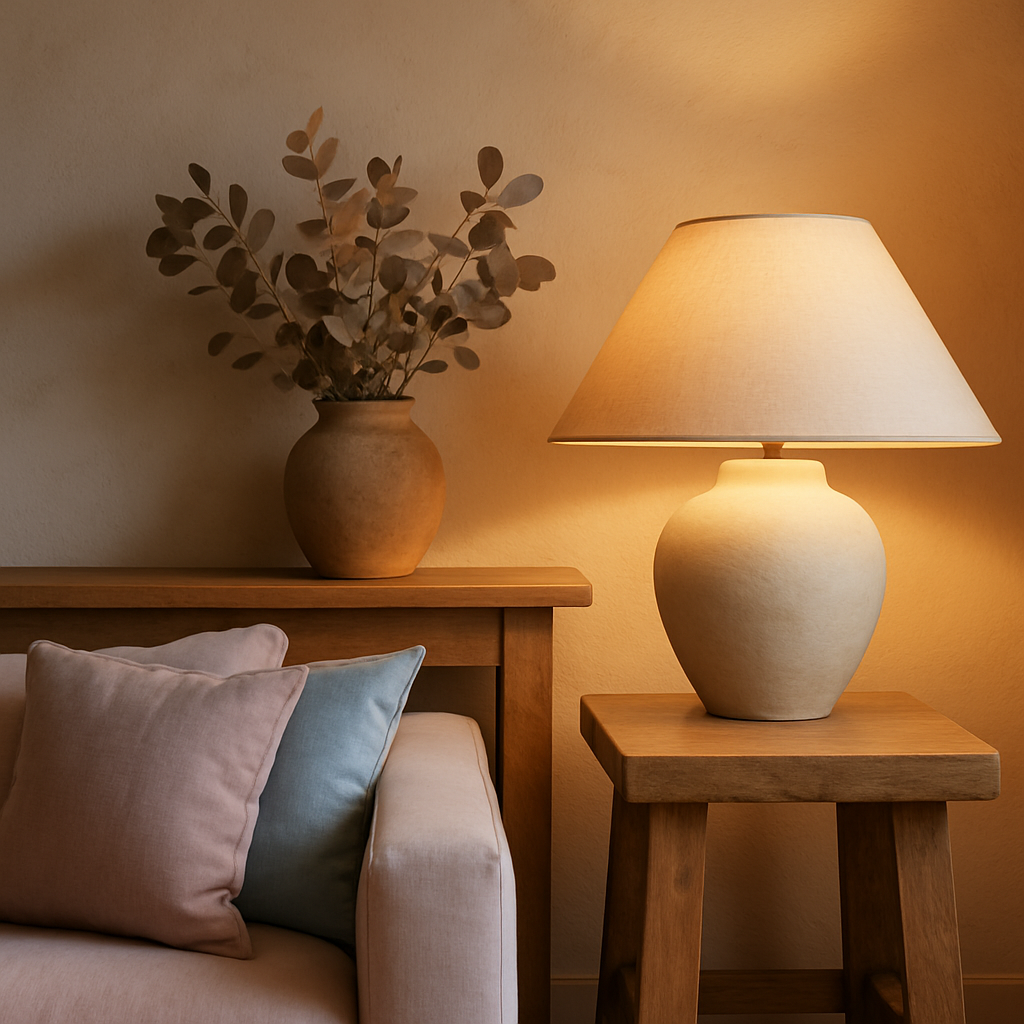
Imagine stepping into a space where the charm of a rustic farmhouse meets the sleek lines of modern design. It's a place where natural wood beams cozy up to minimalist furniture, and earthy textures blend seamlessly with contemporary open-concept layouts. This is the essence of modern rustic interior design-a style that has captured the hearts of homeowners and designers alike. According to a recent Houzz survey, 67% of homeowners are incorporating natural materials into their redesigns, emphasizing a growing trend towards blending the old with the new. In this article, we'll explore the foundational concepts of modern rustic design, analyze its rising popularity with data-backed insights, offer actionable strategies for your own home, delve into expert-level details, and consider additional layers of depth this style offers, concluding with a perspective on its evolving role in the interior design landscape.
The Foundation of Modern Rustic Design
At its core, modern rustic design is about creating a harmonious blend between the raw and the refined. This style emphasizes natural beauty, featuring materials like reclaimed wood, stone, and wool, which are paired with the sleekness of modern design elements such as glass, steel, and polished concrete. The goal is to create a space that feels warm and inviting yet uncluttered and sophisticated. When executed well, this design approach can transform any home into a sanctuary that feels both grounded and open.
One of the key principles of modern rustic design is the use of *biophilic elements*. This design philosophy integrates nature into interiors, promoting well-being and reducing stress. A living wall or a strategically placed indoor garden can bring a slice of the outdoors inside, enhancing the calming ambiance of a space. The popularity of biophilic design among modern rustic enthusiasts shows no signs of slowing, as it aligns perfectly with the growing emphasis on sustainability and wellness in design.
Another defining characteristic is the interplay of textures. Imagine the tactile appeal of a rough-hewn wooden table paired with the smoothness of a leather sofa. This juxtaposition not only adds visual interest but also depth and dimension to a room. Are you ready to explore how these foundational elements can be integrated into your own home? Let's examine the data and trends that are driving the popularity of this style.
Analyzing the Popularity: Data and Trends
In recent years, the modern rustic style has seen a surge in popularity, reflecting a broader trend towards authenticity and simplicity in home design. According to the American Society of Interior Designers (ASID), there has been a 25% increase in the demand for natural and sustainable materials in the past two years. This shift is indicative of a larger movement towards eco-friendly living, where homeowners are not just seeking beauty but also responsibility in their design choices.
Surveys conducted by Houzz indicate that homeowners who incorporate modern rustic elements report higher levels of satisfaction with their living spaces. A significant 70% of respondents cited a greater sense of relaxation and well-being after redesigning their homes with these elements. This data underscores the emotional and psychological benefits of living in a space that harmonizes natural and modern aesthetics.
The rise of technology has also played a role in this trend. Tools like augmented reality (AR) and virtual reality (VR) are being used by designers to help clients visualize how modern rustic elements will look in their homes before making any changes. These technologies have made it easier for people to experiment with different design elements, leading to more personalized and satisfying outcomes. With these insights in mind, how can you start incorporating modern rustic design into your own space? Let's move on to actionable strategies you can implement.
Actionable Strategies for Your Home
Transforming your space with modern rustic design doesn't require a complete overhaul. Start small by introducing natural materials into your decor. Consider adding a reclaimed wood accent wall or swapping out synthetic textiles for organic cotton and linen. These small changes can have a big impact, infusing warmth and character into your home.
Lighting is another crucial element. Opt for fixtures that complement the rustic aesthetic, such as iron chandeliers or pendant lights with Edison bulbs. These elements not only provide necessary illumination but also contribute to the overall mood and style of the space. Additionally, incorporating smart home technology for lighting control can add a modern touch while enhancing functionality.
Furniture selection is also key. Look for pieces that combine rustic and modern elements, like a sleek dining table with a rough-hewn wood top. Experienced professionals often note that mixing styles can create a more dynamic and inviting space. As you begin to implement these strategies, remember that the goal is to create a balance between comfort and sophistication. Ready to dive deeper? Let's explore some expert-level insights next.
Expert Insights into Modern Rustic Design
Certified interior designers-those holding credentials such as NCIDQ (National Council for Interior Design Qualification) or membership with the IIDA (International Interior Design Association)-often emphasize the importance of layering in this style. This involves using multiple textures and materials to add depth and interest. A room might feature a plush wool rug on a polished concrete floor, complemented by a leather couch and a stone fireplace. These elements come together to create a space that is both inviting and visually complex.
Another advanced strategy is to focus on the architectural elements of a space. Exposed beams, brick walls, and original wood floors are all features that can be highlighted in modern rustic design. If your home doesn't naturally have these features, consider adding faux beams or using reclaimed materials for a similar effect. These elements not only add authenticity but also serve as a conversation piece, connecting the design to the home's history or location.
Professionals in the field suggest that investing in quality materials is crucial. While the initial cost may be higher, the longevity and timeless appeal of natural materials often lead to greater satisfaction and value over time. In fact, well-designed interiors can yield a 5-15% increase in resale value, making it a worthwhile investment. What additional layers of depth can be added to enhance this style even further? Let's explore that next.
Adding Depth with Modern Rustic Accents
To truly embrace the modern rustic style, it's essential to pay attention to the details. Small accents can make a significant impact, such as incorporating vintage or artisanal decor pieces that tell a story. Items like handcrafted pottery, woven baskets, or antique mirrors can add character and authenticity to a space, providing that personal touch that makes a house feel like a home.
Art is another powerful tool in modern rustic design. Choose pieces that reflect natural themes or landscapes, or even abstract works that complement the earthy tones of the decor. This can create a cohesive look that ties the room together. Additionally, consider the frames and how they fit into the overall aesthetic; rustic wood or metal frames can enhance the style further.
Finally, the use of plants cannot be overstated. Whether it's a large indoor tree or a collection of smaller houseplants, greenery brings life and color to a space. It reinforces the connection to nature that is so central to modern rustic design. As we wrap up, let's consider the broader implications and future of this design trend.
Looking Forward: The Future of Modern Rustic Design
As we look to the future, the modern rustic design trend shows no signs of waning. Its appeal lies in its ability to adapt to changing tastes while maintaining a core emphasis on natural beauty and simplicity. As more people seek to create homes that reflect their values of sustainability and comfort, this design style is likely to evolve and remain relevant.
Emerging trends such as Japandi-where Japanese minimalism meets Scandinavian warmth-are complementary to modern rustic principles and may influence future iterations of the style. Similarly, advancements in smart home technology may lead to even more seamless integrations of modern and rustic elements, offering convenience without sacrificing aesthetic.
Incorporating these elements into your home design could not only enhance your living environment but also align with broader lifestyle trends. Are you ready to begin your journey into the world of modern rustic design? Let's conclude with some final thoughts and a call to action.
Conclusion: Embrace the Allure of Modern Rustic
Modern rustic interior design offers a unique blend of warmth and minimalism, creating spaces that are both inviting and sophisticated. By understanding its foundational principles, leveraging data-driven insights, and applying expert strategies, you can transform your home into a modern rustic haven. As you consider your next steps, remember that the journey is as much about personal expression as it is about following trends.
Start by browsing portfolios on platforms like Houzz and Instagram this week-even 20 minutes of research will sharpen your eye for what you want. As you explore, pay attention to how different elements make you feel. Which combinations inspire you the most? By taking these initial steps, you'll be well on your way to creating a home that not only looks beautiful but feels deeply personal and authentic.


Comments
Post a Comment