Top Trends in Modern Traditional Interior Design: A Perfect Fusion of Old and New
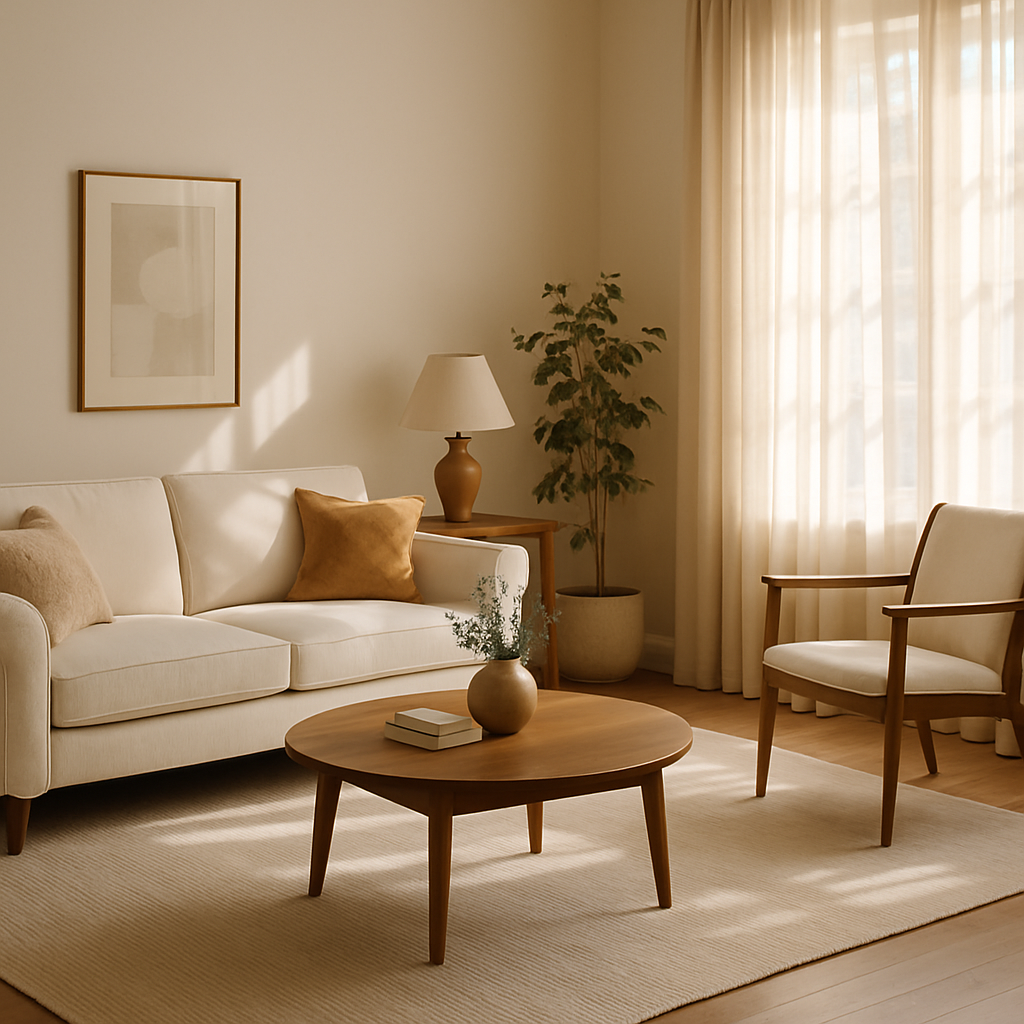
Imagine stepping into a room that seamlessly blends the timeless elegance of a Georgian parlor with the sleek lines of contemporary design. This is the magic of modern traditional interior design-a style that harmonizes the charm of the past with the innovation of the present. As homeowners increasingly seek spaces that evoke both nostalgia and novelty, this design approach is gaining momentum. In this article, we will explore the foundational concepts of modern traditional design, delve into the latest trends shaping this style, and offer actionable strategies to incorporate these elements into your home. We'll also hear from industry experts and examine the role of technology and sustainability in this evolving design landscape.
Understanding the Foundational Concepts of Modern Traditional Design
The essence of modern traditional design lies in its ability to bridge eras without losing the essence of either. At its core, this style respects the history and craftsmanship of traditional design while embracing the simplicity and functionality of modern aesthetics. This approach often involves using classic architectural elements such as crown molding and wainscoting, paired with contemporary furniture and art pieces. By doing so, the design maintains a sense of continuity and balance, which is key to its appeal.
One illustrative example of this balance is the juxtaposition of a vintage Persian rug with minimalist furniture. The rug, steeped in history and intricate detail, serves as a foundation that grounds the space, while the clean lines of modern furniture pieces prevent the room from feeling dated. This blend not only honors the past but also showcases how traditional elements can be reinterpreted in a modern context. Such combinations are particularly effective in creating a lived-in feel that is both elegant and inviting.
Experienced professionals often note that modern traditional design thrives on subtlety and restraint. Unlike purely traditional or modern styles, which may lean towards maximalism or stark minimalism respectively, this hybrid approach finds its strength in moderation. The goal is not to overwhelm but to curate a space where old and new elements coexist harmoniously. This thoughtful blend appeals to those who appreciate the stories behind antique pieces as much as they value the innovation of contemporary design.
Analyzing the Latest Trends in Modern Traditional Design
Industry surveys suggest that modern traditional design is evolving with several key trends that reflect broader movements in the design world. One of the most prominent is the rise of biophilic design, which integrates natural elements to enhance the connection between indoor and outdoor spaces. This trend is evident in the use of organic materials like wood and stone, as well as the incorporation of indoor plants and natural light. According to Houzz's annual survey, homeowners are increasingly seeking design solutions that bring a sense of calm and wellness into their homes, and biophilic elements are central to this pursuit.
Another significant trend is the emphasis on sustainable and reclaimed materials. As environmental consciousness grows, more designers are incorporating eco-friendly practices into their projects. This includes sourcing antiques and vintage items that reduce the need for new production, as well as choosing materials with a lower environmental impact. The NCIDQ (National Council for Interior Design Qualification) encourages designers to consider sustainability as a key factor in their work, reflecting a shift towards more responsible design practices.
Modern traditional design also embraces the concept of quiet luxury. This trend favors understated elegance over overt opulence, with a focus on quality and craftsmanship. It's about selecting pieces that are refined and timeless rather than trendy and disposable. This approach not only enhances the longevity of the design but also aligns with the growing consumer preference for lasting value over fleeting fashion. As such, the modern traditional style is proving to be both adaptable and enduring.
Implementing Modern Traditional Design Strategies in Your Home
If you're considering infusing your home with modern traditional design, where should you start? A practical first step is to evaluate which traditional elements you already have or wish to include. Do you have family heirlooms or antique pieces that could serve as focal points? Integrating these items can provide a personal touch and serve as a foundation for the design. Once identified, these pieces can be balanced with modern elements such as sleek lighting fixtures or contemporary art to create a cohesive look.
Color palette plays a crucial role in achieving the modern traditional aesthetic. Experts suggest using neutral tones as a base, such as whites, creams, and grays, which can be accentuated with deeper hues like navy, emerald, or burgundy for depth and contrast. These colors not only enhance traditional architectural details but also offer a sophisticated backdrop for modern furnishings. The key is to maintain a palette that feels cohesive and inviting, rather than overwhelming.
Another strategy is to focus on texture and layering. Combining different materials such as velvet, linen, and leather can add richness and dimension to a space. For instance, pairing a velvet sofa with a leather armchair and a linen throw can create a tactile experience that is both luxurious and comfortable. This layering technique is particularly effective in modern traditional design, as it mirrors the balance of old and new that defines the style. As you contemplate these strategies, consider how each choice reflects your personal taste and lifestyle.
Expert Insights on Modern Traditional Design
To gain a deeper understanding of modern traditional design, consulting with certified interior designers can provide valuable insights. Designers with credentials such as the NCIDQ or membership in ASID (American Society of Interior Designers) have the training and expertise to guide homeowners through the complexities of blending styles. These professionals often emphasize the importance of a well-thought-out design plan that considers both aesthetic preferences and functional needs.
According to the IIDA (International Interior Design Association), one of the common challenges in modern traditional design is achieving harmony without sacrificing functionality. Professionals recommend starting with a clear concept development phase, where the overall vision and specific goals for the space are outlined. This step is crucial in ensuring that the design not only looks appealing but also meets the practical demands of everyday living.
Experienced designers also highlight the role of technology in modern traditional projects. Tools like AR/VR room visualization help clients see how traditional elements can be integrated with modern features before physical changes are made. This technology not only enhances client satisfaction but also streamlines the design process, allowing for adjustments and refinements in real-time. As technology continues to evolve, it will undoubtedly play an even more significant role in shaping the future of interior design.
Enhancing Modern Traditional Design with Additional Details
To further refine your modern traditional space, consider the impact of lighting and accessories. Lighting can dramatically alter the mood of a room, and choosing fixtures that reflect both traditional and modern styles can enhance the overall design. For example, a classic chandelier can be updated with modern bulbs or paired with contemporary sconces to create a layered lighting scheme that is both functional and aesthetically pleasing.
Accessories also play a crucial role in completing the look. Items such as vases, artwork, and textiles can introduce color and texture, providing the finishing touches that bring a room together. When selecting accessories, aim for a mix of traditional and modern pieces that reflect your personal style. This could include a contemporary sculpture alongside a vintage mirror, creating a dialogue between the past and present within the space.
Finally, it's important to remember that modern traditional design is about creating a home that feels personal and meaningful. Are there specific elements that speak to your individual taste or family history? Incorporating these into your design can add layers of significance to your space, making it not just stylish but truly unique. By focusing on these details, you can enhance the timeless appeal of modern traditional design while ensuring it resonates with your personal story.
Final Perspectives on Modern Traditional Interior Design
As we look to the future of interior design, modern traditional style remains a compelling choice for those seeking a blend of history and innovation. Its enduring appeal lies in its flexibility and its ability to adapt to various personal tastes and lifestyles. Whether you're drawn to the warmth of classic woodwork or the sleekness of contemporary finishes, this style offers the best of both worlds.
Incorporating modern traditional design into your home is not just about following trends but about creating a space that reflects your identity. As you explore the possibilities, ask yourself what elements resonate most with you. How can you balance the old with the new in a way that feels authentic and comfortable? By addressing these questions, you can create a home that is both stylish and deeply personal.
In conclusion, modern traditional interior design offers a versatile and timeless approach to creating beautiful spaces. By understanding its core principles and embracing current trends, you can transform your home into a haven that honors history while embracing the future. Start by exploring designer portfolios on platforms like Houzz or consulting with certified professionals to bring your vision to life. Even a small step today can significantly enhance your design journey.


Comments
Post a Comment