Top Trends in Interior Design: Insights from Interior Bliss Experts
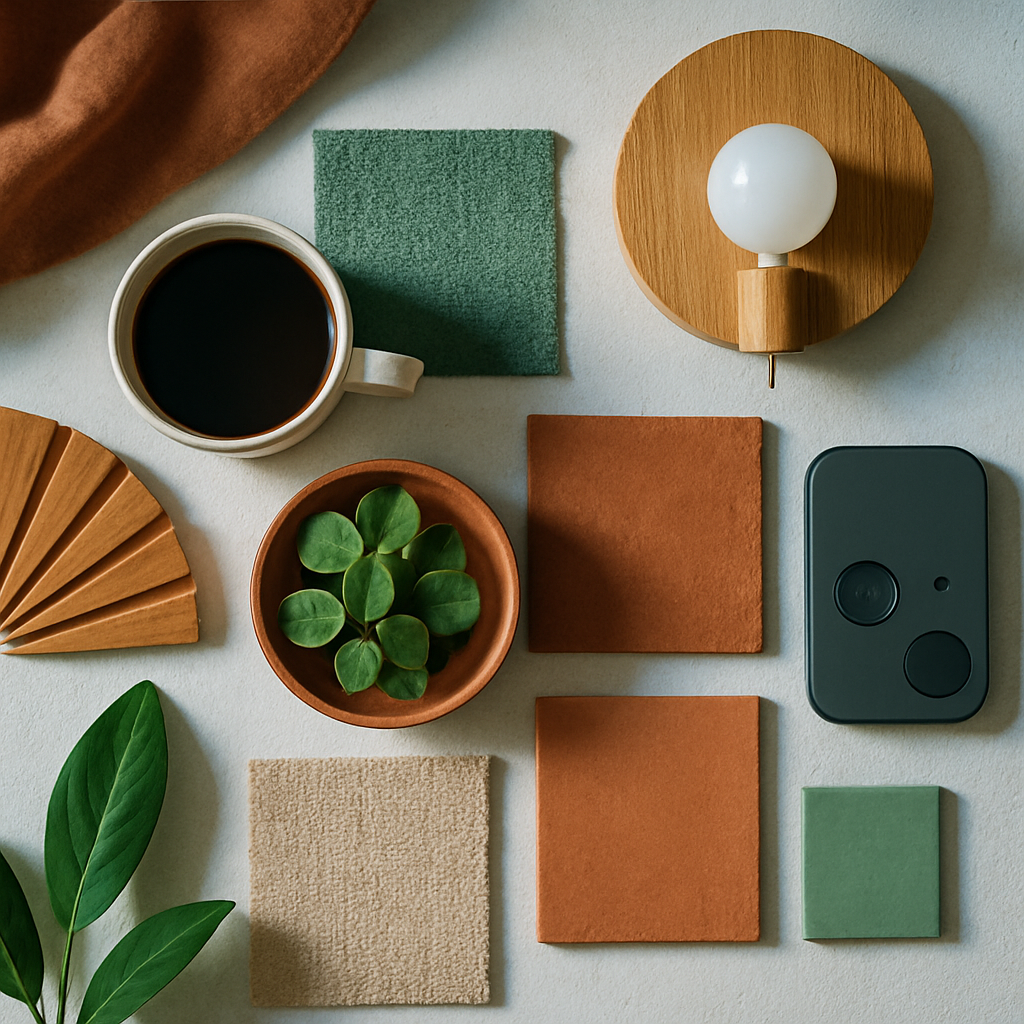
Picture this: a home where natural light floods in, green plants thrive indoors, and every piece of furniture seems to whisper luxury. According to industry surveys, over 70% of homeowners say that a well-designed interior significantly boosts their happiness and productivity. So, what are the top trends in interior design that can transform your living space into such a haven? This article, drawing on insights from Interior Bliss experts, explores the most compelling design movements currently shaping homes. From biophilic design to smart home technologies, we'll delve into how these trends can enhance both aesthetics and functionality.
The Foundation of Modern Interior Design
At the core of current interior design trends is a strong emphasis on sustainability and a connection to nature. Biophilic design, which integrates natural materials and elements into interiors, has gained traction as homeowners seek to create calming, nature-inspired environments. This approach not only improves aesthetics but also contributes to the well-being of inhabitants. Research from the American Society of Interior Designers (ASID) indicates that biophilic elements can reduce stress and enhance creativity, making them a popular choice for both residential and commercial spaces.
Another foundational concept is the notion of "quiet luxury," where understated elegance takes precedence over ostentation. This trend is characterized by high-quality materials, neutral color palettes, and minimalist designs. The idea is to create spaces that exude sophistication without being overtly flashy. According to Houzz's annual survey, there is a notable increase in demand for such environments, as they offer a timeless aesthetic that does not easily go out of style.
Smart home integration is also a cornerstone of modern interior design. From automated lighting to climate control and advanced security systems, technology is seamlessly woven into the fabric of the home. The International Interior Design Association (IIDA) reports that smart technologies not only add convenience but can also increase a home's value by up to 15%. As we explore further, these foundational elements pave the way for deeper trends that redefine how we live and interact with our spaces.
Analyzing Current Design Trends with Data
To understand the trajectory of interior design, it is crucial to analyze the data behind these trends. Surveys from Houzz reveal that over 60% of homeowners have incorporated some form of smart technology into their renovation projects. This statistic underscores the importance of tech-driven solutions in contemporary design. Whether it's a smart thermostat that learns your preferences or voice-activated lighting, these technologies offer both luxury and efficiency.
Additionally, sustainable materials are gaining popularity as more people recognize the environmental impact of their choices. According to a study by the National Council for Interior Design Qualification (NCIDQ), nearly 45% of new design projects now prioritize the use of reclaimed wood, recycled metals, and other eco-friendly materials. This shift not only helps reduce carbon footprints but also caters to a growing consumer base that values sustainability as a key component of design.
Data also shows that Japandi style, a fusion of Japanese minimalism and Scandinavian warmth, is on the rise. This trend emphasizes simplicity, functionality, and a connection to nature, aligning with the broader movement towards sustainable and biophilic design. As these data points illustrate, understanding current interior design trends requires a careful examination of how they align with broader societal shifts and consumer preferences.
Actionable Strategies for Adopting New Trends
Ready to incorporate these trends into your own space? Start by evaluating your current environment. Identify areas that could benefit from natural light or incorporate elements like indoor plants or water features to bring biophilic design concepts to life. Consider how you can integrate technology-perhaps by installing smart blinds or intelligent lighting systems that adapt to your habits. Such changes can dramatically improve your living experience.
When thinking about quiet luxury, focus on quality over quantity. Invest in a few high-quality pieces rather than filling a room with numerous items. Look for materials such as marble, walnut, or linen, which not only look luxurious but also stand the test of time. You might ask yourself, "Does this piece contribute to a sense of calm and elegance?" If the answer is yes, it likely aligns with the quiet luxury ethos.
For those interested in the Japandi style, begin with a neutral color palette, then add natural textures like wood and stone. This style thrives on simplicity, so aim to declutter and create open, airy spaces. Experienced professionals often note that Japandi's appeal lies in its ability to create a serene environment, perfect for relaxation and unwinding. As you plan your design updates, these strategies can help you stay at the cutting edge of interior trends.
Expert-Level Insights into Advanced Design
For those seeking to push the boundaries of design, exploring advanced concepts such as augmented reality (AR) and virtual reality (VR) in interior planning could be the next step. These tools allow you to visualize changes before they occur, providing a risk-free way to experiment with new layouts and styles. Many interior designers now offer AR/VR consultations, giving clients a virtual tour of their redesigned space before any physical changes are made.
The integration of these technologies is not just a novelty. As reported by Architectural Digest's AD PRO network, AR and VR can significantly enhance client satisfaction and streamline the design process. By providing a realistic preview, clients can make informed decisions, reducing the likelihood of costly mistakes or last-minute changes. This technology is particularly beneficial for large-scale renovations where the stakes are higher.
Another advanced trend is the use of 3D printing in furniture design. This technology allows for bespoke pieces that are tailored to specific spaces and needs, offering a level of customization that was previously difficult to achieve. As the technology becomes more accessible, designers can offer unique solutions that are both innovative and personalized. These insights highlight how cutting-edge technology is transforming the interior design landscape.
Additional Depth on Design Trends
As you explore these trends, it's essential to consider the role of collaboration in the design process. Engaging with certified interior designers, such as those holding NCIDQ or ASID credentials, can ensure that your projects benefit from professional expertise and insight. These professionals have the training and knowledge to navigate complex design challenges, making them invaluable partners in realizing your vision.
Budgeting is another critical aspect of adopting new design trends. On average, you might spend between $5,000 to $15,000 for a single room redesign, with full-home projects ranging from $50,000 to $150,000 or more. Understanding these costs upfront, along with potential returns such as increased home value, can help guide your investment decisions. After all, a thoughtfully designed space not only enhances daily living but can also yield a higher resale value.
Lastly, consider how you can maintain your new designs over time. Regular updates and maintenance, such as fresh coats of paint or furniture reupholstering, keep your space looking its best. According to industry consensus, investing in quality fixtures and finishes pays off in longevity and ease of upkeep, ensuring that your interiors remain as stunning as the day they were completed. This depth of planning will serve you well as you embrace these trends.
Final Perspectives on Embracing Design Trends
The journey of integrating new interior design trends is as much about self-expression as it is about functionality. By thoughtfully incorporating elements like biophilic design and smart technology, you can create an environment that reflects your personality while enhancing your lifestyle. Consider what elements will bring joy and efficiency to your daily routine, and prioritize those in your design choices.
Remember, trends are guides rather than rules. It's important to adapt them to fit your unique preferences and needs. You might wonder, "Which of these trends truly resonate with me?" By answering this question, you can focus on what will provide the most satisfaction and utility in your home. As the world of interior design continues to evolve, staying informed and open to new ideas will ensure your space remains dynamic and inspiring.
In conclusion, the top trends in interior design are about creating spaces that are not only beautiful but also practical and reflective of your personal style. From sustainability to technology integration, these trends offer exciting possibilities for transforming any space. Ready to begin your design journey? Start by browsing portfolios on Houzz or Instagram this week-even 20 minutes of research will sharpen your eye for what you want.



Comments
Post a Comment