Top Reasons Why Interior Design is a Rewarding Career Choice
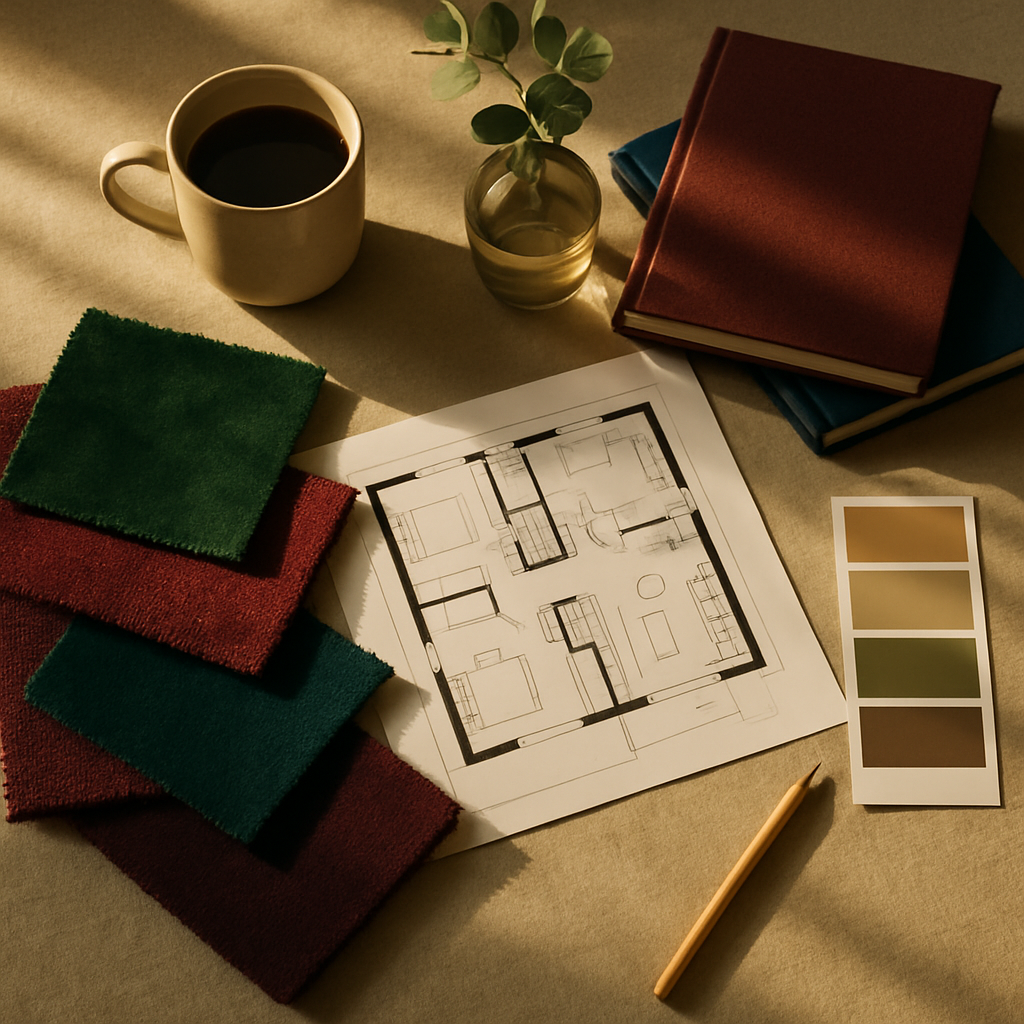
Imagine transforming a dull, lifeless room into a vibrant, functional masterpiece that reflects the personality and needs of its occupants. This is the power of interior design, a field that offers both creative fulfillment and financial reward. According to a survey by the American Society of Interior Designers (ASID), demand for interior designers is expected to grow by 5% annually, driven by an increased focus on sustainable and personalized living spaces. This article will explore why interior design is not only a rewarding career choice but also a strategic one. We'll delve into foundational concepts, examine industry data, provide actionable strategies, offer expert-level insights, and wrap up with final perspectives to guide your journey into this dynamic profession.
The Foundations of Interior Design
Interior design is more than just placing furniture in a room. It involves a deep understanding of how spaces work and the ability to create environments that enhance our daily lives. Certified interior designers, who often hold credentials like the NCIDQ (National Council for Interior Design Qualification), spend years studying the principles of design, architecture, and human behavior. This knowledge allows them to craft spaces that are not only aesthetically pleasing but also functional and comfortable.
One of the foundational concepts in interior design is the balance between form and function. Designers must consider how a space is used daily, ensuring that every element serves a purpose. For instance, a family living room might require durable materials for high-traffic areas, while a home office would benefit from ergonomic furniture to boost productivity. This thoughtful approach to design can lead to increased client satisfaction, as seen in Houzz's annual survey, which reports that over 80% of homeowners are delighted with their redesigned spaces.
Moreover, interior design is closely tied to the concept of wellness. Biophilic design, which incorporates natural elements like plants and natural light, has been shown to reduce stress and improve mental health. As you begin your career in interior design, understanding these foundational principles will be crucial. They will not only guide your creative process but also ensure that you meet the practical needs of your clients. Next, we'll explore the data that highlights the growing demand for skilled designers.
Exploring the Growing Demand for Interior Designers
The need for interior designers is on the rise, driven by various factors including technological advancements and changing consumer preferences. According to the Bureau of Labor Statistics, employment for interior designers is projected to grow by 4% from 2022 to 2032, highlighting the ongoing demand for professionals who can create both beautiful and functional spaces. This growth is fueled by an increased interest in smart home integration, with homeowners seeking automated lighting, climate control, and window treatments that enhance comfort and energy efficiency.
Furthermore, sustainability is becoming a key priority for many clients. The use of reclaimed materials and sustainable practices is not just a trend but a necessity in today's design landscape. Industry surveys suggest that sustainable interiors can increase a property's value by 5-15%, making it a compelling aspect of design projects. Experienced professionals often note that clients are willing to invest more in sustainable solutions, recognizing the long-term benefits for both the environment and their finances.
For those considering a career in interior design, these trends signal ample opportunities to specialize and differentiate themselves. Whether focusing on smart home technology, sustainable materials, or wellness-oriented designs, the demand for innovative solutions is clear. The next section will provide actionable strategies for aspiring designers to capitalize on these opportunities and thrive in their careers.
Actionable Strategies for Aspiring Interior Designers
Breaking into the field of interior design requires a strategic approach. First, aspiring designers should prioritize formal education and certification. Enrolling in a program accredited by the Council for Interior Design Accreditation (CIDA) and pursuing credentials like the NCIDQ can help you stand out in a competitive market. These qualifications signal a commitment to the profession and provide a solid foundation in design principles and industry standards.
Networking is another essential strategy. Joining professional organizations such as the IIDA (International Interior Design Association) or ASID provides access to valuable resources, mentorship opportunities, and industry events. Attending these events not only expands your professional circle but also keeps you informed about the latest design trends and innovations. Have you considered how networking could open doors to new projects and collaborations?
Finally, building a strong portfolio is crucial. Utilize platforms like Houzz and Instagram to showcase your work and attract potential clients. Highlight a variety of projects to demonstrate your versatility and ability to adapt to different styles and budgets. Remember, a well-curated portfolio can be a powerful tool in persuading clients of your capabilities. In the following section, we'll delve into expert-level details to further refine your skills.
Expert-Level Insights into the Interior Design Industry
Experienced interior designers understand the importance of staying updated with industry trends and technological advancements. One of the most significant shifts in recent years is the use of AR/VR room visualization tools. These technologies allow designers to present clients with immersive, 3D previews of their projects, enhancing communication and reducing the likelihood of costly revisions. According to Architectural Digest, integrating such tools can improve client satisfaction and streamline the design process.
Additionally, understanding fee structures is vital for managing client expectations and ensuring profitability. Most designers charge a flat fee, hourly rate, or a percentage of the total project cost. Typically, hourly rates range from $150 to $500, while percentage-based fees are between 10-25%. Procurement markups on furniture and materials are also common. Are you prepared to discuss and negotiate these fees with potential clients confidently?
Finally, consider the impact of global design trends such as Japandi-a fusion of Japanese minimalism and Scandinavian warmth-on your projects. Incorporating such styles can set your work apart and appeal to a diverse clientele. Understanding these nuances will enrich your design practice and provide a competitive edge in your career. The next section will offer additional depth on pursuing a successful career in interior design.
Additional Depth: Career Development in Interior Design
Continual professional development is key to a flourishing career in interior design. Many seasoned designers recommend pursuing specialized courses and workshops to hone your skills and stay ahead of the curve. The NCIDQ frequently offers webinars and courses that cover the latest in design technology and sustainability practices, making it an invaluable resource for designers committed to lifelong learning.
Another crucial element is gaining hands-on experience through internships or entry-level positions at design firms. These opportunities allow you to work alongside experienced professionals, understand client interactions, and observe the intricacies of project management from concept to completion. Such experiences are often stepping stones to more significant roles and responsibilities within the design industry.
Finally, cultivating a strong online presence is increasingly important. Engaging with design communities on platforms like Pinterest and participating in online forums can enhance your visibility and credibility. Sharing insights, trends, and projects not only builds your reputation but also attracts potential clients and collaborators. As we move to the final perspectives, consider how these strategies can shape your career trajectory.
Final Perspectives on the Rewards of Interior Design
Choosing a career in interior design offers a unique blend of creativity, technical skill, and the satisfaction of transforming spaces that impact people's lives. The ability to marry aesthetic vision with practical solutions is both a challenge and a reward for designers. Many professionals find immense fulfillment in seeing their designs come to life and knowing they've contributed to creating environments where people thrive.
Moreover, the career offers flexibility and variety. Designers can choose to specialize in residential, commercial, or even niche markets such as healthcare or hospitality design. This versatility not only keeps the work engaging but also opens up numerous pathways for career advancement. Have you thought about which area of specialization aligns best with your interests and skills?
As you reflect on the rewarding nature of interior design, consider how your unique perspective and creativity can contribute to the field. In the conclusion, we'll summarize the key points and provide a clear call to action to kickstart your journey in this exciting career.
Conclusion: Your Pathway to a Rewarding Career in Interior Design
Interior design stands out as a rewarding career choice due to its blend of creativity, demand, and the tangible impact it has on people's lives. By understanding foundational concepts, staying informed about industry trends, and developing a strategic plan for education and networking, you can position yourself for success in this dynamic field. Remember, the journey to becoming a skilled interior designer is as much about continuous learning and adaptation as it is about creativity.
To start your career in interior design, consider researching designer portfolios on platforms like Houzz or joining professional organizations such as the ASID. Engaging with these resources will sharpen your understanding of the industry and help you build a robust portfolio. This week, dedicate 20 minutes each day to exploring these platforms and envisioning how you can incorporate current trends into your design practice. With dedication and the right strategies, a fulfilling career in interior design is within your reach.



Comments
Post a Comment