Top Interior Design Services Near Me: Transform Your Space Today
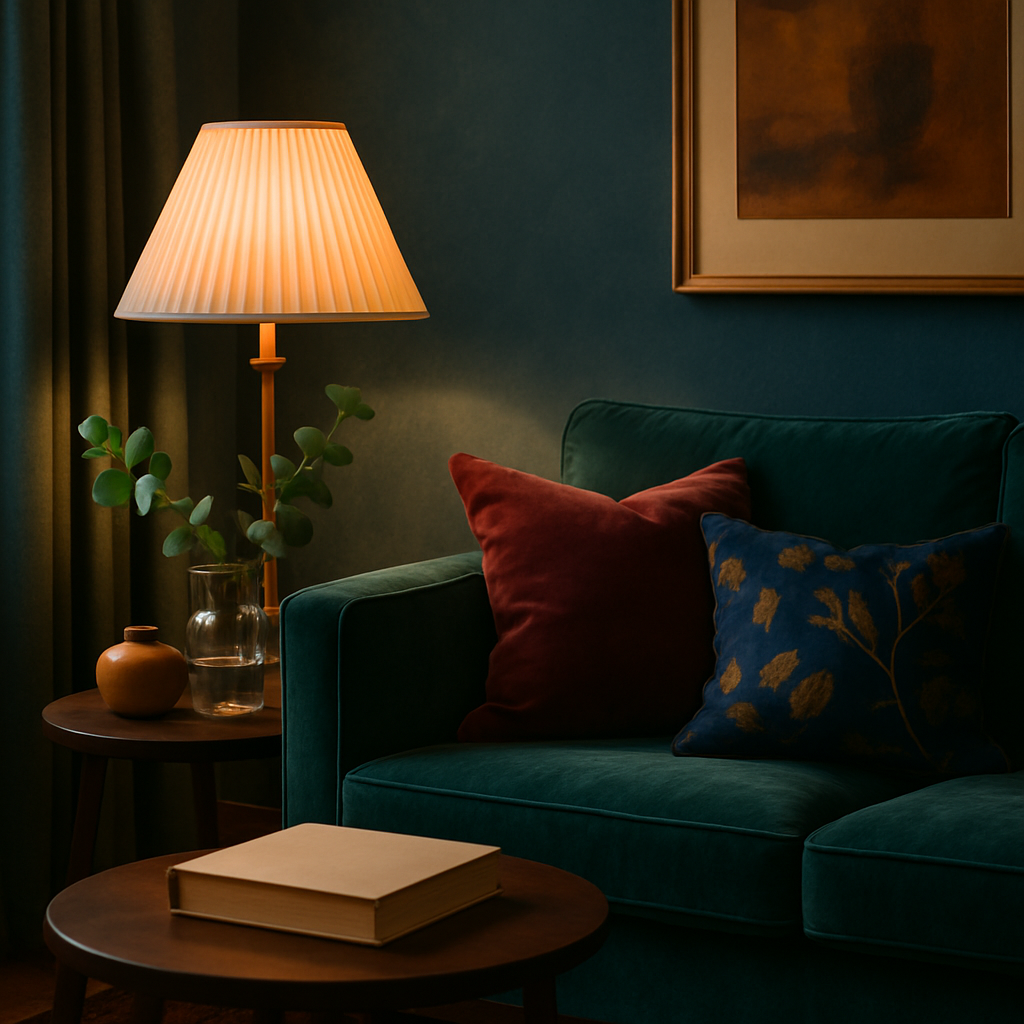
Imagine walking into a room that immediately feels like home, a harmonious blend of comfort and style. According to the National Association of Realtors, well-designed interiors can increase a home's resale value by 5-15%. This statistic underscores the transformative power of professional interior design services. If you're searching for "top interior design services near me," you're likely ready to enhance both the beauty and functionality of your space. In this article, we'll explore the foundational concepts of interior design, analyze industry data, offer actionable strategies, dive into expert-level details, and provide additional in-depth insights to ensure your design project is a success.
Understanding the Foundations of Interior Design
When embarking on a journey to refresh your living space, understanding the basic principles of interior design is crucial. The core elements include balance, harmony, and contrast, which work together to create a cohesive aesthetic. Balance can be achieved through symmetrical, asymmetrical, or radial layouts, each offering a different visual appeal. For instance, a symmetrical arrangement might involve identical lamps on either side of a sofa, creating a formal and harmonious feel. Harmony ties different elements together, using color schemes or textures to provide a consistent look throughout the space, while contrast introduces visual interest, often through the juxtaposition of colors or styles.
Colors also play a pivotal role in setting the mood of a room. Warm tones like reds and yellows can evoke energy and warmth, whereas cool tones such as blues and greens are known for their calming effects. The choice of color can significantly impact how a space is perceived, making it essential to consider the psychological effects when planning a redesign. Experienced professionals often note that understanding these foundational elements is the first step toward a successful interior design project.
Furthermore, the layout of a room should facilitate the lifestyle of its occupants. A well-designed space accommodates the flow of movement and functionality, considering how each area is used daily. Are you mapping out the placement of furniture in a way that complements your routine? This practical approach, coupled with foundational design principles, sets the stage for a transformation that goes beyond aesthetics.
Analyzing Industry Data to Guide Your Design Choices
Industry data provides valuable insights into current trends and consumer preferences, which can guide your design decisions. According to the American Society of Interior Designers (ASID), there is a growing preference for sustainable and eco-friendly materials. This trend is driven by increasing environmental awareness among homeowners. Incorporating sustainable materials such as bamboo, reclaimed wood, or recycled metal not only benefits the planet but also adds unique character to your home.
Additionally, Houzz's annual survey reveals that many homeowners are investing in smart home technologies as part of their interior design projects. From automated lighting to climate control systems, integrating technology enhances convenience and efficiency. Imagine controlling the ambiance of your home with a simple voice command or app - it's not just futuristic; it's a reality for many modern homes. How could smart technology improve your living experience?
In terms of budgeting, understanding cost structures is crucial for effective planning. Interior design services often charge by flat fee, hourly rate, or a percentage of the total project cost. The average hourly rate ranges from $150 to $500, depending on the designer's experience and location. Additionally, full-home projects can range from $50,000 to $150,000 or more, so setting a clear budget from the outset is imperative to avoid unforeseen expenses.
Actionable Strategies for Choosing the Right Interior Designer
When searching for "top interior design services near me," it's essential to evaluate potential designers thoroughly. Start by reviewing portfolios on platforms like Houzz or Instagram, which showcase a wide range of styles and completed projects. This research will help you identify designers whose aesthetic aligns with your vision. Have you already browsed through local portfolios to find inspiration?
Credentials also play a significant role in choosing a designer. Look for professionals with NCIDQ (National Council for Interior Design Qualification), ASID, or IIDA (International Interior Design Association) certifications. These credentials indicate a high level of expertise and professionalism in the field. For example, the NCIDQ is considered the gold-standard credential, ensuring that the designer has met rigorous industry standards.
Once you've shortlisted potential designers, schedule consultations to discuss your project in detail. Prepare a list of questions to ask about their design process, fee structures, and timelines. During these meetings, pay attention to how they communicate and whether they listen to your ideas and concerns. A successful partnership hinges on mutual understanding and collaboration, setting the groundwork for a design that truly reflects your personality and lifestyle.
Expert-Level Insights into the Design Process
The design process typically unfolds in several phases: concept development, design presentation, procurement, installation, and styling. Each phase requires careful planning and coordination. During the concept development stage, your designer will work with you to outline the scope of the project, establishing the overall vision and objectives.
In the design presentation phase, expect to see mood boards and 3D renderings that illustrate proposed layouts and finishes. This is where your ideas begin to take shape visually. Many designers now use AR/VR visualization tools, allowing clients to virtually "walk through" their redesigned space. This technology provides a realistic preview and helps ensure alignment between the designer's vision and your expectations.
The procurement phase involves sourcing furniture, fixtures, and materials. Designers often have access to exclusive trade discounts, which can offset their fees. Once everything is sourced, the installation and styling phases bring the project to life. This is when the vision becomes reality, and you can see the tangible results of months of planning and design.
Adding Depth with the Latest Design Trends
Staying abreast of the latest design trends can add a modern edge to your space. In 2026, biophilic design continues to gain popularity, emphasizing natural materials, indoor-outdoor connections, and greenery. Living walls and large windows that blur the line between inside and outside are becoming staples in contemporary design. How could you incorporate elements of nature into your home to create a more serene environment?
The concept of quiet luxury, characterized by understated elegance and high-quality materials, is another trend making waves. This style focuses on simplicity, craftsmanship, and a neutral palette, creating spaces that feel timeless and sophisticated. It's not just about opulence but about creating a calming atmosphere with carefully chosen pieces.
Japandi, a fusion of Japanese minimalism and Scandinavian warmth, offers yet another avenue for design exploration. This trend emphasizes clean lines, functionality, and a muted color palette, providing a backdrop for relaxation and contemplation. Integrating these trends into your home can ensure it remains stylish and relevant for years to come.
Final Perspectives on Transforming Your Space
As you embark on your interior design journey, remember that the process is as important as the outcome. By understanding foundational concepts, analyzing industry data, and embracing actionable strategies, you'll be well-equipped to make informed decisions. Working with a certified designer ensures a level of professionalism that can significantly enhance the quality of your project.
Ultimately, the goal is to create a space that not only reflects your personal style but also enhances your quality of life. Whether you're integrating modern technology, embracing sustainable materials, or experimenting with the latest trends, every choice should contribute to a cohesive and functional environment. As you explore your options, keep an open mind and trust the process - the results will be worth the effort.
Conclusion: Take the Next Step in Your Design Journey
In summary, finding the right interior design services near you involves a blend of research, strategic planning, and collaboration. By focusing on foundational design principles, analyzing industry data, and embracing expert insights, you can transform your space into a haven that is both beautiful and functional. Now, it's time to take action.
Start by browsing portfolios on platforms like Houzz or Instagram this week. Even dedicating just 20 minutes to research can sharpen your eye for design, helping you identify what resonates with your personal style. Remember, a well-designed space is more than just aesthetically pleasing - it's an investment in your home and your well-being.



Comments
Post a Comment