Top 5 Tips for Crafting an Inspiring Interior Design Mood Board
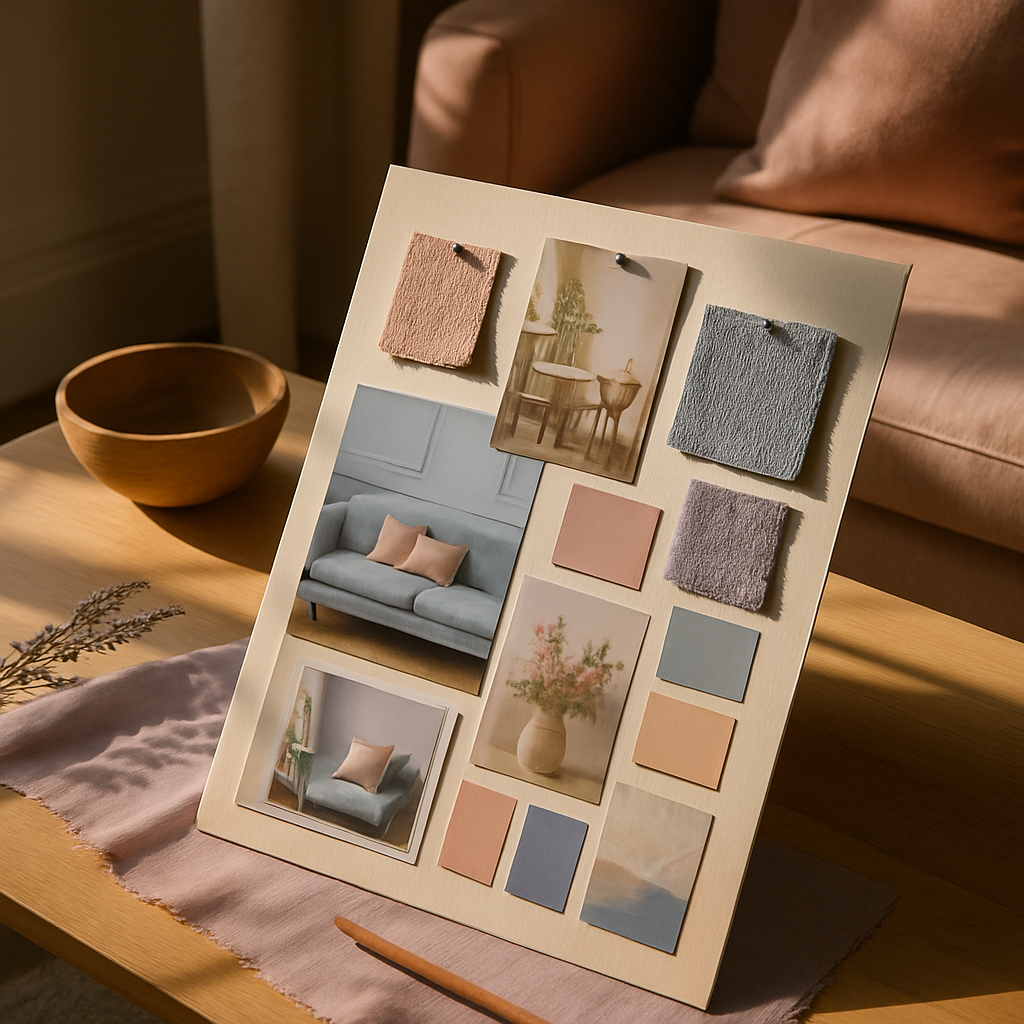
Have you ever felt overwhelmed by the sheer volume of choices in an interior design project? You're not alone. According to a Houzz survey, 45% of homeowners feel stressed during renovations due to decision fatigue. Creating an inspiring interior design mood board can be your roadmap to clarity, ensuring your design journey is both focused and enjoyable. In this article, we'll explore foundational concepts of mood boards, delve into data-backed benefits, provide actionable strategies, and offer expert-level insights to elevate your design process. Whether you're a seasoned designer or a homeowner tackling your own space, these tips will enhance your creative journey.
Understanding the Foundation of Mood Boards
At its core, a mood board is a visual tool that captures the essence of your interior design vision. It serves as a collection of images, textures, color swatches, and even text that conveys the overall feel and aesthetic direction of a project. The primary purpose of a mood board is to communicate ideas clearly and cohesively, ensuring that everyone involved in the design process is aligned. As noted by the American Society of Interior Designers (ASID), mood boards are crucial for establishing a unified vision, which can significantly reduce miscommunication during the project.
Creating a mood board begins with gathering inspiration. This is where platforms like Pinterest and Instagram come into play. These platforms are treasure troves of visual content, allowing you to collect and curate images that resonate with your design aspirations. According to Pinterest's annual report, interior design is one of the top categories for saved pins, highlighting its importance as a source of inspiration. By selecting images that reflect your desired style, you set a solid foundation for your mood board.
Once you have a collection of inspirational images, the next step is to refine and organize them. A well-structured mood board should have a clear theme that ties all elements together. This could be a color palette, a specific style like Japandi, or an overarching design concept such as biophilic design. As you arrange your images, consider the flow and balance. Does the board communicate the mood you want to achieve? This foundational step is crucial as it sets the tone for the rest of your project.
The Impact of Mood Boards on Design Success
Mood boards are more than just pretty pictures; they're strategic tools that can significantly impact the success of your interior design project. According to industry research, projects that start with a clearly defined mood board are 30% more likely to stay on budget and timeline. This is because mood boards help streamline the decision-making process, reducing the chances of costly changes down the line. By referring back to your board throughout the project, you maintain a consistent design direction.
One of the key benefits of using a mood board is its ability to facilitate communication between clients and designers. Experienced professionals often note that mood boards serve as a common language, bridging the gap between abstract ideas and tangible outcomes. This visual reference ensures that clients' expectations are aligned with the designer's vision, minimizing misunderstandings and enhancing satisfaction with the final result. In fact, a study published by the International Interior Design Association (IIDA) found that mood boards contribute to higher client satisfaction rates.
Beyond alignment and communication, mood boards also play a critical role in the creative process. They allow designers to experiment with different combinations of materials, colors, and textures without committing to them physically. This flexibility encourages creativity and innovation, enabling designers to explore new ideas and push boundaries. It's a low-risk way to test concepts and refine them before implementation. As you continue your design journey, consider how a mood board can be both a creative sandbox and a guiding blueprint.
Strategies for Creating an Effective Mood Board
Now that you understand the importance of mood boards, let's explore actionable strategies to create one that truly inspires. First, focus on defining your core design elements. What are the essential components that must be included in your project? This could be a specific color scheme, material, or furniture style. By identifying these key elements early on, you ensure your mood board remains focused and purposeful. Consider using physical samples like fabric swatches or paint chips to add tactile elements to your board.
Next, balance is key. A well-crafted mood board should not only communicate a clear theme but also showcase a harmonious blend of different elements. Pay attention to the proportion of each component on your board. Are the colors too dominant, or is there a lack of texture? Adjusting these elements will help you achieve a balanced composition that accurately represents your vision. Don't hesitate to experiment with different arrangements until you find one that resonates.
Finally, keep your mood board dynamic. As your project evolves, so should your board. Regularly update it to reflect new ideas, inspirations, or changes in direction. This dynamic approach ensures that your mood board remains a relevant and accurate representation of your design journey. When was the last time you revisited your board? It might be time for a refresh. By keeping it updated, you maintain a direct connection between your initial vision and the final outcome.
Expert Insights into Mood Board Creation
As you embark on crafting your mood board, consider the insights of industry experts to elevate your process. Certified interior designers, particularly those with NCIDQ (National Council for Interior Design Qualification) credentials, emphasize the importance of storytelling in mood boards. According to the Architectural Digest's AD PRO network, a compelling mood board should narrate the story of your space, from the initial concept to the final execution. Think about the emotions and experiences you want each room to evoke.
Another expert tip is to leverage digital tools for mood board creation. Platforms like Canva and Milanote offer intuitive interfaces and a wide range of features tailored for designers. These tools allow you to easily drag and drop images, arrange elements, and even collaborate with clients or team members. Digital mood boards are particularly useful for remote collaboration, enabling real-time updates and feedback. Have you tried using these tools in your design process yet?
Additionally, professionals often recommend incorporating a mix of high and low elements to add depth and interest to your board. This could include luxury materials alongside more affordable alternatives, creating a balanced design that's both aspirational and achievable. By blending different price points, you create a mood board that is not only visually appealing but also practical for budget considerations. This approach aligns with the trend of quiet luxury, where understated elegance meets functional design.
Bringing Additional Depth to Your Mood Board
Beyond the basics, there are several ways to add depth and complexity to your mood board. One approach is to integrate sensory elements. Incorporating tactile samples, such as fabric swatches or wood veneers, can evoke the feel of a space, providing a more immersive experience. This multidimensional aspect helps you and your clients visualize how different textures will interact within the room.
Moreover, consider the use of lighting in your mood board. Lighting can dramatically affect the perception of color and texture, so it's essential to account for it in your design. Include images or sketches of lighting fixtures, or simulate different lighting conditions to see how they alter your selected palette. This attention to detail ensures that your design remains cohesive under various lighting scenarios.
Finally, don't overlook the power of narrative. Each element on your mood board should contribute to a larger story. What is the overarching theme or message of your design? Whether it's a connection to nature through biophilic design or a minimalist approach with Japandi influences, your mood board should communicate this narrative clearly. By weaving a story into your board, you create a more compelling and memorable design journey.
Final Perspectives on Mood Board Design
Creating an inspiring interior design mood board is an art form in itself, one that requires both creativity and precision. As you refine your board, remember that it is a living document, evolving alongside your project. Regularly revisiting and updating your mood board ensures that it remains a true reflection of your design intent. Consider scheduling periodic reviews to assess whether your board still aligns with your goals.
Moreover, the process of creating a mood board can also be a self-discovery journey. It challenges you to articulate your design preferences and distill them into a cohesive vision. What new insights have you gained about your style or preferences through this process? By embracing these discoveries, you enhance both your design skills and personal growth.
Finally, as you move forward with your project, use your mood board as a compass. Let it guide your decisions, from selecting materials to arranging furniture. By maintaining a strong connection between your board and your design, you ensure that your project not only meets but exceeds expectations.
Conclusion: Take Action with Your Mood Board
In summary, an inspiring interior design mood board is a powerful tool that can transform your design process from overwhelming to organized and creative. By understanding its foundational concepts, leveraging expert strategies, and incorporating depth, your mood board becomes an invaluable asset in your project. Ready to start crafting your own mood board? Begin by gathering inspiration from platforms like Pinterest and Instagram, then experiment with digital tools like Canva. Start your journey this week by dedicating time to curate and refine your vision. Even a small step forward can make a significant difference in your design outcome.


Comments
Post a Comment