Top 5 Online Interior Design Tools That Will Revolutionize Your Home
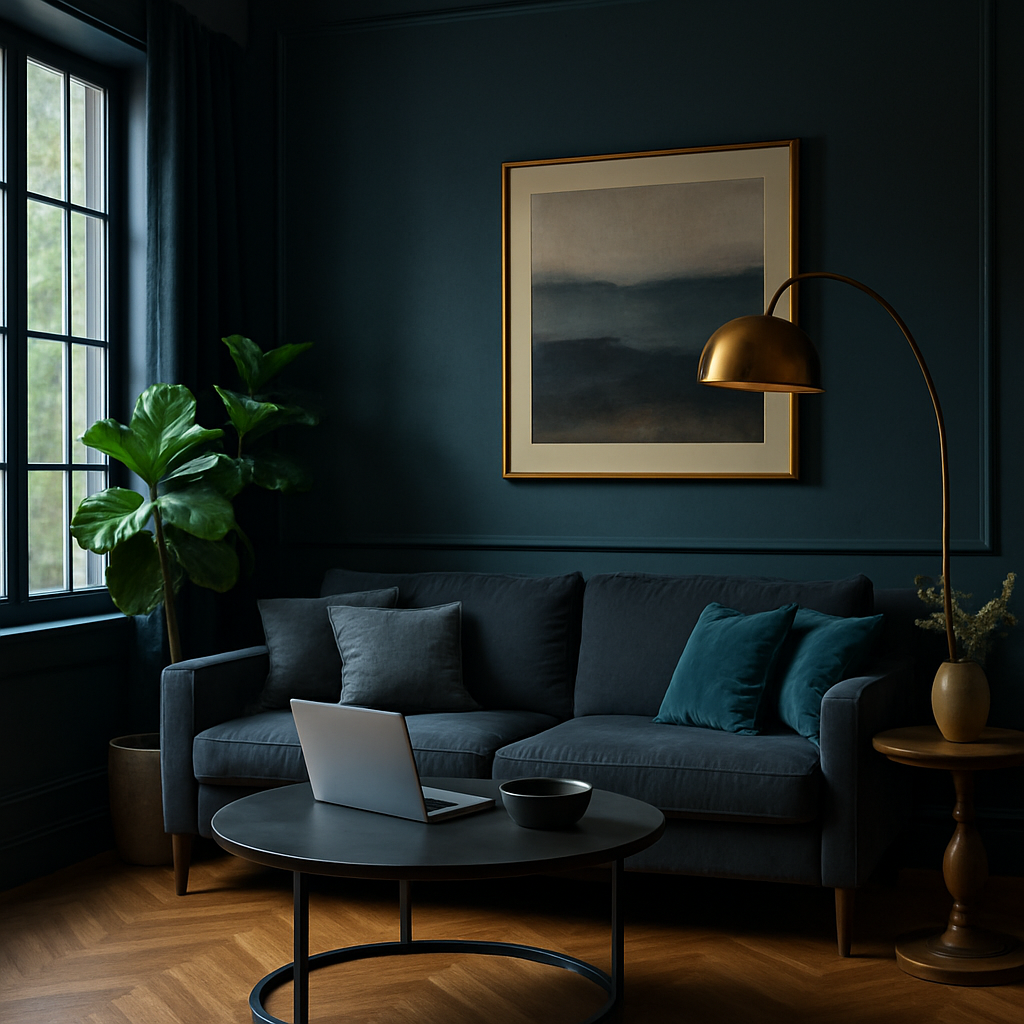
Are you ready to transform your living space into a masterpiece but don't know where to start? According to a 2022 survey by Houzz, 85% of homeowners who undertook a redesign project felt overwhelmed by the available choices and decisions involved. This is where online interior design tools come into play, offering a streamlined process to help you visualize and execute your vision with confidence. In this article, we'll explore five revolutionary online interior design tools that will enhance your home's aesthetics, delve into their functionalities, and provide expert-level insights on how to make the most of these digital resources. Whether you're a novice or a seasoned DIY enthusiast, these tools can guide you through the intricacies of interior design.
Understanding the Basics of Online Interior Design Tools
Online interior design tools have become an integral part of modern home improvement. These platforms provide users with the ability to visualize furniture arrangements, color schemes, and decorative elements in a virtual space. One popular example is SketchUp, a 3D modeling tool that allows users to create detailed floor plans and design layouts. With its easy-to-use interface, SketchUp empowers users to experiment with different design elements and see how they fit together in real-time. This capability is particularly useful for those who struggle to imagine how abstract ideas translate into physical spaces.
Another foundational tool is Roomstyler 3D Home Planner. This platform offers an extensive library of furniture and decor items from real brands, enabling users to drag and drop pieces into their virtual rooms. This not only aids in visualizing the final look but also provides practical insights into space utilization and furniture arrangement. The ability to customize dimensions and styles allows users to tailor their designs to their specific needs, making Roomstyler a favorite among both amateur and professional designers.
The increasing popularity of these tools can be attributed to their accessibility and affordability. Unlike hiring a certified interior designer, which can cost between $150 and $500 per hour, these tools are often available for free or at minimal subscription fees. This democratization of design resources is empowering more homeowners to take charge of their spaces, fostering creativity and innovation in home design. As we delve deeper, we'll see how these tools not only simplify design but also elevate it to new heights.
Digging Deeper: The Impact of Data and Technology on Design
Technology has revolutionized the way we approach interior design, and data plays a crucial role in this transformation. According to ASID (American Society of Interior Designers), the use of technology in design has expanded by 35% over the past five years. Platforms like Autodesk's AutoCAD have enhanced precision in design by allowing users to create detailed and accurate floor plans. This level of accuracy ensures that every aspect of a design project is meticulously planned, reducing the likelihood of costly errors during execution.
Furthermore, the integration of data analytics into design tools is providing insights into design trends and consumer preferences. For instance, Houzz's annual survey data offers a wealth of information about homeowner spending habits and satisfaction rates. This data helps designers and homeowners alike make informed decisions about style, budget, and functionality. By understanding current trends, users can select design elements that not only appeal aesthetically but also increase the long-term value of their property.
Data-driven design tools also offer personalized recommendations based on user input, creating a tailored experience that aligns with individual tastes and requirements. The use of algorithms to suggest color palettes, furniture styles, and layout options takes the guesswork out of design, making the process more efficient and enjoyable. How does this data-driven approach influence your design choices? As we explore actionable strategies, consider how these insights can guide your next project.
Actionable Strategies for Maximizing Design Tools
To fully harness the power of online interior design tools, it's essential to approach them strategically. Start by defining your project's scope and objectives. Are you redesigning a single room or embarking on a full-home renovation? Establishing clear goals will help you choose the right tools and features for your needs. Tools like Planner 5D allow users to create realistic 3D models of their spaces, providing a comprehensive overview of potential design outcomes.
Once you've selected a tool, take advantage of its features by experimenting with different design elements. For example, if you're using the Homestyler platform, try out various furniture layouts and color schemes to see which combinations resonate with your vision. Don't be afraid to think outside the box-sometimes the most unexpected pairings result in stunning designs. Utilize platforms like Pinterest or Instagram for inspiration, but tailor your choices to reflect your personal style and preferences.
Another practical strategy is to collaborate with others. Many online design tools offer sharing capabilities, enabling you to get feedback from friends, family, or even professional designers. Experienced professionals often note that fresh perspectives can uncover potential issues or inspire new ideas. Have you considered sharing your designs with others for input? This collaborative approach not only enriches the design process but also ensures that the final outcome is both functional and aesthetically pleasing.
Expert-Level Insights: What the Pros Recommend
Professional designers often leverage online tools to complement their expertise, and their insights can be invaluable for novice users. According to the NCIDQ (National Council for Interior Design Qualification), certified designers frequently use platforms like AutoCAD and SketchUp to streamline the design process. These tools facilitate precision and allow designers to present detailed concepts to clients, enhancing communication and project outcomes.
Furthermore, experts recommend focusing on sustainability and innovation when utilizing design tools. The trend of biophilic design, which emphasizes natural materials and indoor-outdoor connections, can be explored using platforms like SketchUp. By integrating elements such as living walls or reclaimed wood into your design, you can create a space that is not only beautiful but also environmentally friendly. Are you considering sustainable options in your design plan?
Designers also encourage the use of AR/VR technology to visualize projects in real-time. Tools that offer augmented reality features, such as Houzz's AR app, allow users to see how furniture and decor will look in their actual space before making a purchase. This technology reduces uncertainty and helps ensure that design choices align with your vision. As we move into our next section, we'll discuss additional details that can further enhance your design experience.
Diving Deeper: Additional Tools and Their Benefits
Beyond the mainstream design tools, there are niche platforms that offer unique benefits. For instance, Morpholio Board is a favorite among designers for its ability to create mood boards and organize design inspirations. This tool is particularly useful for clients who prefer a visual representation of their ideas before committing to a full-scale design plan. Mood boards help in visualizing the overall aesthetic and ensuring cohesive design elements throughout the space.
Another noteworthy tool is Floorplanner, which excels in creating detailed floor plans and layouts. Its user-friendly interface and extensive library of decor items make it a great choice for both beginners and professionals. With Floorplanner, users can easily adjust room dimensions, experiment with different layouts, and visualize changes instantly. This flexibility is crucial for making informed decisions and optimizing space utilization.
These tools, when used effectively, can significantly enhance the design process, transforming abstract concepts into tangible results. By exploring various platforms and understanding their unique features, you can tailor your design journey to suit your specific needs and preferences. As we wrap up, let's consider the final perspectives on how these tools can revolutionize your home.
Final Perspectives: Embracing the Future of Design
The evolution of online interior design tools signifies a shift towards more accessible and personalized home improvement solutions. As these technologies continue to advance, they offer unprecedented opportunities for creativity and innovation in design. Homeowners can now take control of their projects, exploring a range of styles and functionalities that reflect their unique personalities.
Whether you're embarking on a major renovation or simply updating a room, these tools provide the resources and inspiration needed to achieve professional-level results. By embracing these technologies, you can unlock new potential in your home, making it a space that is both functional and aesthetically pleasing. What aspects of your home are you excited to transform?
As we conclude, it's clear that the future of design lies in the seamless integration of technology and creativity. In the next section, we'll summarize the key takeaways and suggest actionable steps to begin your design journey.
Conclusion: Taking the Next Step in Your Design Journey
In conclusion, the top five online interior design tools we've explored-SketchUp, Roomstyler 3D Home Planner, Planner 5D, AutoCAD, and Morpholio Board-offer powerful capabilities to revolutionize your home. From visualization to execution, these platforms provide the tools and inspiration you need to create stunning designs with confidence. The integration of technology, data, and expert insights ensures that your design process is both efficient and rewarding.
Ready to transform your space? Start by exploring these tools and experimenting with different design elements. Consider browsing portfolios on Houzz or Pinterest this week-even 20 minutes of research can sharpen your eye for design and inspire your next project. By taking these steps, you'll be well on your way to creating a home that not only meets your needs but also reflects your personal style. Embrace the possibilities and let these tools guide you towards a beautifully designed future.


Comments
Post a Comment