Top 5 Interior Design Trends from the NY School of Interior Design
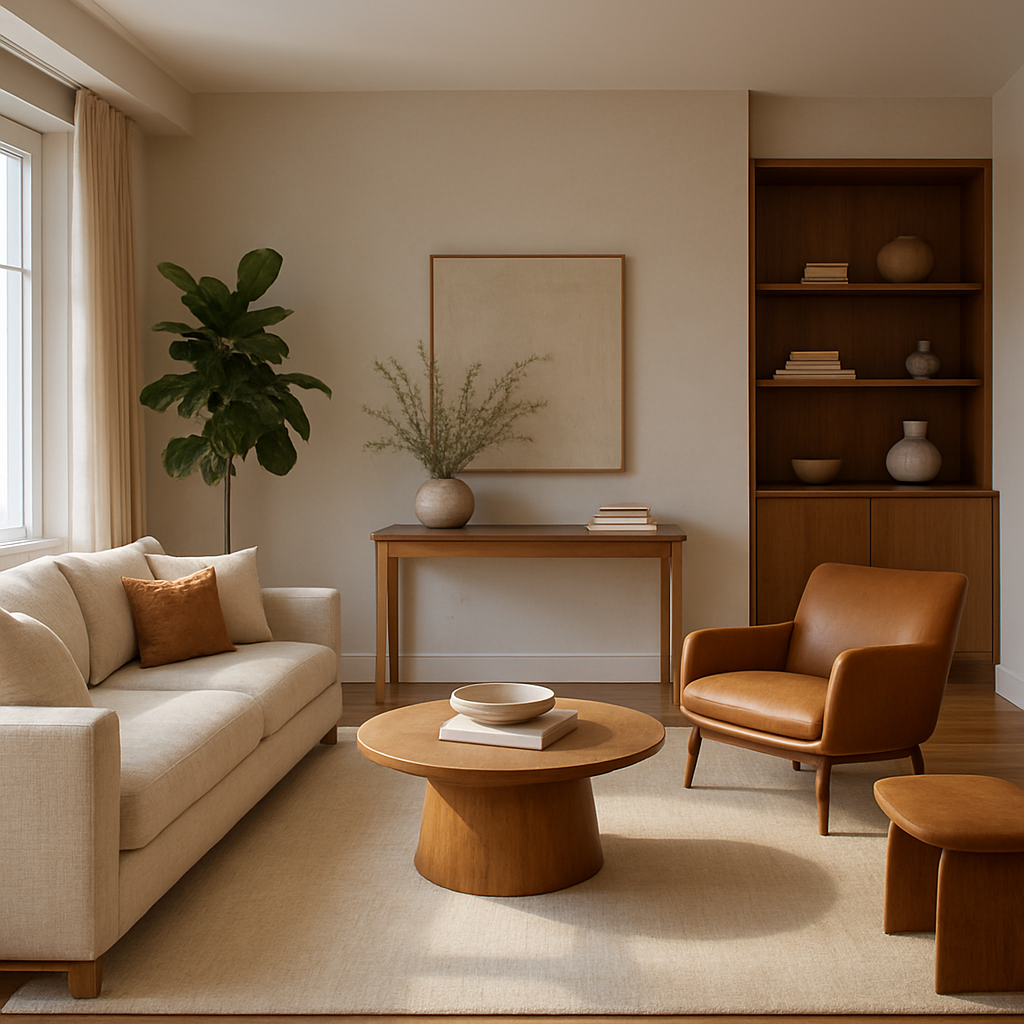
Ever walked into a room and felt an instant sense of calm or excitement? That's the magic of interior design at work. According to a 2023 study by Houzz, homeowners continue to invest heavily in design, with nearly 70% increasing their budgets year-over-year. The New York School of Interior Design (NYSID), renowned for setting industry standards, has unveiled its top design trends for 2026. From biophilic elements to smart home integrations, these trends are not just about aesthetics but about creating spaces that enhance living experiences. In this article, we'll explore these five leading trends, delve into their foundational concepts, analyze their impact, and offer actionable strategies for incorporating them into your home.
Biophilic Design: Bringing Nature Indoors
Biophilic design, which integrates natural elements into interior spaces, is gaining momentum as a key trend. This approach is all about creating harmony between indoor and outdoor environments. According to the International Interior Design Association (IIDA), biophilic design can improve mood and productivity by 15% through increased natural light and plant incorporation. Imagine a living room with a green wall or a kitchen that opens directly to a garden. These elements not only enhance aesthetic appeal but also promote well-being by connecting occupants with nature.
This trend is particularly relevant in urban settings where access to green spaces is limited. The NYSID emphasizes the use of natural materials such as wood, stone, and water features to evoke a sense of calm. For instance, reclaimed wood flooring can add warmth, while a strategically placed water feature can introduce soothing sounds. Are you considering how to integrate nature into your home's design? Start by evaluating how much natural light your space receives and consider adding plants or green walls to improve air quality and aesthetics.
For those looking to incorporate biophilic elements, it's crucial to balance aesthetics with functionality. Consider using vertical gardens or living walls, which are not only visually striking but also serve practical purposes such as sound absorption. Transitioning from biophilic design, we move to another trend focusing on subtle opulence-quiet luxury.
Quiet Luxury: The Art of Understated Elegance
Quiet luxury is all about subtle sophistication and refined elegance. This trend is characterized by the use of high-quality materials and craftsmanship without overt opulence. According to Architectural Digest, this style has been embraced by designers seeking to create serene and clutter-free environments. Think muted color palettes, fine textiles, and bespoke furniture, all contributing to a sense of tranquility. Do you appreciate the finer things in life, but prefer a more understated approach?
The NYSID highlights that quiet luxury often involves investment in pieces that stand the test of time, both in style and durability. This could mean opting for a timeless leather sofa or custom cabinetry. Experienced professionals often note that the key to achieving quiet luxury is in the details-think about the texture of a fabric or the finish of a wood. These elements should speak to quality without shouting for attention.
One practical way to introduce quiet luxury into your home is through the use of neutral tones and natural materials. By selecting a few statement pieces, such as a marble coffee table or a silk rug, you can create an environment that exudes elegance without excess. As we shift from the subtle to the technological, let's explore how smart home integration is reshaping interiors.
Smart Home Integration: Technology Meets Aesthetics
Incorporating technology into interior design has become increasingly popular, with smart home integration leading the charge. This trend focuses on blending technological advancements with aesthetic design, creating functional yet beautiful spaces. According to the American Institute of Architects (AIA), smart home features like automated lighting and climate control are now considered essential in modern design.
Smart home integration is not just about gadgets; it's about enhancing the way you live. Imagine controlling your home's lighting, temperature, and even window treatments with a simple voice command or a smartphone app. Platforms like Control4 and Crestron offer seamless integration solutions that cater to these needs. Have you considered how smart technology could simplify your daily routines?
To effectively incorporate smart home technology, start by assessing your lifestyle needs. Whether it's energy efficiency or enhanced security, understanding your priorities will guide your choices. As you explore smart integration, remember to maintain a balance between technology and design aesthetics. Next, we delve into the importance of sustainability and eco-conscious choices in interior design.
Sustainable and Reclaimed Materials: Eco-Friendly Choices
Sustainability is at the forefront of modern interior design, with a growing emphasis on eco-friendly materials and practices. According to the American Society of Interior Designers (ASID), sustainable design can significantly reduce a home's carbon footprint while enhancing its aesthetic appeal. This trend involves using reclaimed materials, like wood and metal, and choosing sustainable alternatives for furniture and finishes.
Reclaimed wood, for example, is not only environmentally friendly but also adds character and history to a space. Similarly, recycled metal can be transformed into unique fixtures and hardware. The NYSID encourages designers to consider the life cycle of materials and opt for those that can be recycled or repurposed at the end of their use.
Are you ready to make sustainable choices in your design projects? Start by researching product certifications such as the Forest Stewardship Council (FSC) or Cradle to Cradle (C2C), which indicate environmentally responsible practices. By prioritizing sustainability, you contribute to a healthier planet while creating a timeless and responsible design. As we turn our focus from materials to the fusion of cultural aesthetics, the Japandi style offers a unique blend worth exploring.
Japandi: Harmonizing Minimalism and Warmth
Japandi, a fusion of Japanese minimalism and Scandinavian warmth, has emerged as a top trend for those seeking simplicity combined with comfort. This design style emphasizes clean lines, neutral tones, and natural materials, creating serene and inviting spaces. The NYSID praises Japandi for its ability to balance functionality with beauty, offering a clutter-free yet cozy environment.
This style relies heavily on the principle of 'less is more,' focusing on quality over quantity. Furniture pieces are chosen for their craftsmanship and simplicity, often featuring natural woods and soft textiles. Have you considered how Japandi might transform your living space? Its calming aesthetic is perfect for creating a refuge from the hectic pace of modern life.
Incorporating Japandi into your home involves selecting a few key pieces that showcase clean lines and organic forms. Think about a low-profile sofa paired with a minimalist coffee table or a tatami-style floor mat that adds texture and warmth. By blending these elements, you create a space that feels both modern and timeless. As we conclude, let's reflect on how these trends can be applied to elevate your home environment.
Final Perspectives on Interior Design Trends
The interior design trends emerging from the NY School of Interior Design offer diverse possibilities for transforming spaces. From the tranquility of biophilic design to the technological advancements of smart home integration, these trends cater to various preferences and lifestyles. The key is to adapt these ideas in ways that resonate with your personal style and functional needs.
As you consider these trends, reflect on what aspects of your home could benefit from a refresh. Are there areas that could be more sustainable, or rooms that might be enhanced with smart technology? By thoughtfully integrating these elements, you can create a space that is not only beautiful but also practical and forward-thinking.
Ultimately, the goal of these trends is to improve the quality of life through thoughtful design. As we wrap up, consider how you might start implementing these ideas in your own home. Whether it's through a single statement piece or a comprehensive redesign, the possibilities are endless. Ready to take the next step?
Conclusion: Bringing Trends to Life
As we've explored, the top five interior design trends from the NY School of Interior Design offer innovative ways to enhance your home. Whether you're drawn to the tranquility of biophilic design or the modern elegance of quiet luxury, these trends provide a framework for creating spaces that reflect your style and improve your living experience. Start by browsing designer portfolios on Houzz or Instagram this week-even 20 minutes of research will sharpen your eye for what resonates with you.
Remember, the essence of these trends lies in their adaptability to your unique preferences and needs. So, which trend will you embrace first? By thoughtfully integrating these ideas, you can transform your home into a sanctuary that is both aesthetically pleasing and functionally superior. Begin your design journey today and watch how these trends can elevate your everyday life.


Comments
Post a Comment