Top 5 Interior Design AI Tools You Need for Stunning Spaces
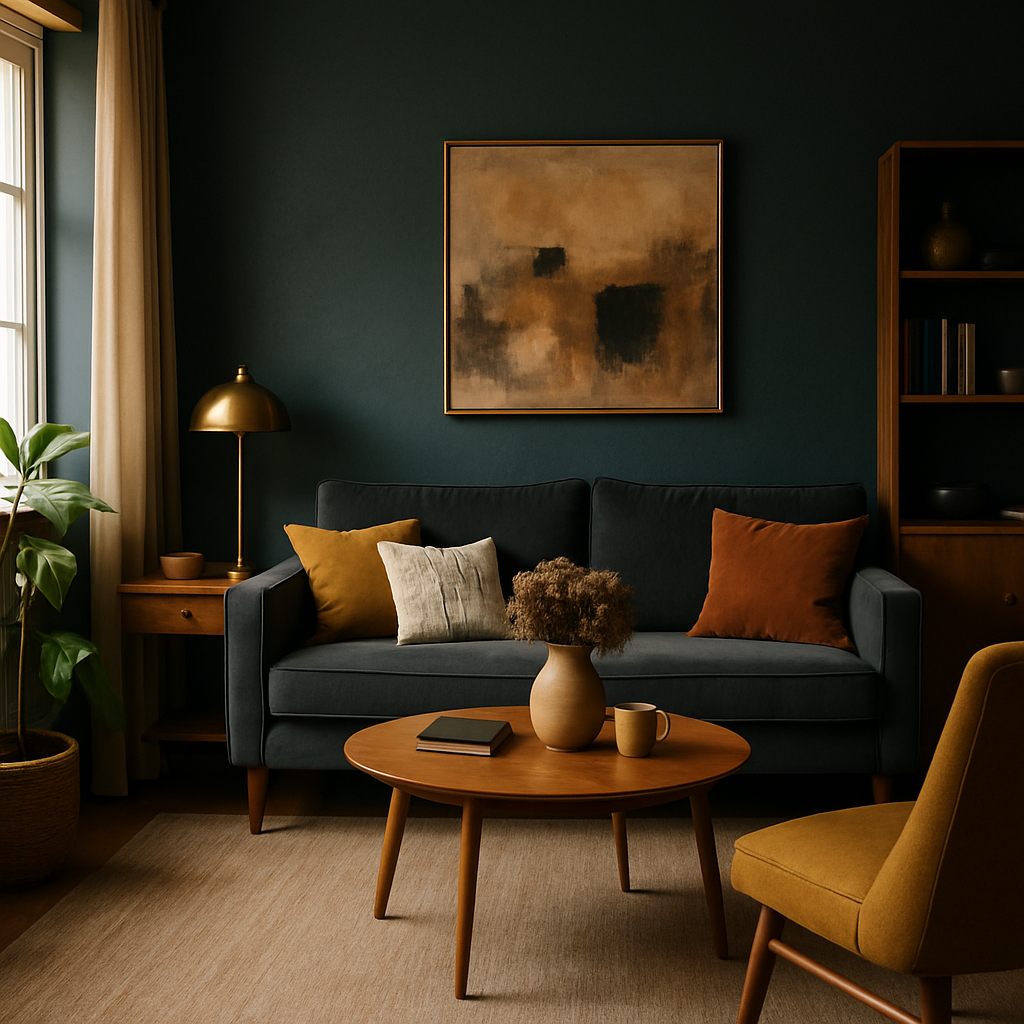
Imagine walking into a room where every element, from the lush textures underfoot to the harmonious lighting, is perfectly in sync with your personal style. This is no longer just a dream but a reality, thanks to the transformative power of AI tools in interior design. With the global interior design market projected to reach $255.4 billion by 2028, according to Grand View Research, the integration of AI is revolutionizing how spaces are conceptualized and executed. In this article, we'll explore five cutting-edge AI tools that are essential for creating stunning spaces. We'll delve into foundational concepts, analyze the impact of AI with supporting data, offer actionable strategies, provide expert insights, and conclude with final perspectives on the future of AI in interior design.
Understanding the Foundations of AI in Interior Design
Before diving into specific tools, it's crucial to understand how AI is reshaping the interior design landscape. AI, or artificial intelligence, refers to the simulation of human intelligence processes by machines. In the realm of interior design, AI applications range from virtual room visualization to smart furniture selection. These technologies enable designers to create more personalized and efficient design solutions, enhancing both creativity and functionality.
The adoption of AI tools in interior design is driven by the need for customization and speed. Traditional design processes often involve lengthy consultations and revisions. However, AI can streamline these processes by generating design options based on user inputs and preferences in real time. This level of personalization was once the domain of high-end designers but is now accessible to a broader audience, making quality design attainable for more people.
Furthermore, AI tools are not just about aesthetics; they also integrate seamlessly with smart home technologies. As the Internet of Things (IoT) continues to grow, AI in interior design can enhance home automation systems, providing solutions that are both beautiful and functional. This integration signifies a shift towards more intelligent and adaptive living spaces, setting the stage for the tools we'll discuss next.
Data-Driven Insights: The Impact of AI Tools
Data plays a pivotal role in the effectiveness of AI tools in interior design. According to Houzz's annual survey, 67% of homeowners who utilized technology in their design projects reported higher satisfaction levels. This indicates a significant trend towards technology-driven design solutions that cater to individual needs and preferences. AI tools leverage vast amounts of data to offer insights that were previously unavailable to designers.
One notable example is the use of AI in space planning. Tools like Planner 5D utilize AI algorithms to analyze spatial requirements and propose optimized layouts. By considering factors such as traffic flow, lighting, and furniture dimensions, these tools can suggest layouts that maximize functionality and aesthetics. This data-driven approach ensures that every square foot of a space is effectively utilized, which is particularly beneficial in urban environments where space is at a premium.
Moreover, AI tools can predict design trends by analyzing consumer behavior and preferences. For instance, the rise of biophilic design, which incorporates natural elements into interiors, can be tracked and anticipated using AI analytics. By staying ahead of trends, designers can create spaces that are both contemporary and timeless, further enhancing client satisfaction and project success.
Actionable Strategies for Implementing AI Tools
For those looking to incorporate AI tools into their design process, it's important to start with clear objectives. Begin by identifying specific challenges or goals within your design projects, such as improving space efficiency or enhancing user experience. With these goals in mind, select AI tools that align with your needs. For example, if space optimization is a priority, consider using SpaceIQ, a tool designed to provide intelligent space planning solutions.
Once you've selected the appropriate tools, invest time in training and familiarization. Many AI platforms offer detailed tutorials and customer support to help you get the most out of their features. Experienced professionals often note that the initial learning curve is quickly offset by the time saved in design iterations and revisions. Incorporating AI tools can free up time for more creative pursuits, allowing designers to focus on innovation rather than routine tasks.
Additionally, collaboration is key when implementing AI in design projects. Share insights and feedback with team members and clients to ensure that the AI solutions enhance the overall project vision. AI tools like Foyr Neo allow for real-time collaboration, enabling stakeholders to visualize changes instantly and provide input. This collaborative approach not only improves project outcomes but also fosters stronger relationships with clients and team members.
Expert-Level Insights: AI Tools in Action
Experienced designers understand that AI tools are not a replacement for human creativity, but rather an enhancement. Tools like Modsy use AI to generate 3D renderings based on client preferences, but the final touches and personal flair still come from the designer's vision. It's this combination of technology and human insight that leads to truly stunning spaces.
Professional organizations such as the American Society of Interior Designers (ASID) emphasize the importance of staying informed about technological advancements. They offer resources and seminars that explore the integration of AI in design. Participating in these educational opportunities can provide designers with a competitive edge, equipping them with the knowledge to utilize AI tools effectively.
Furthermore, the use of VR and AR technologies is becoming increasingly popular in the design world. Tools like SketchUp and Homestyler offer immersive experiences where clients can virtually walk through their spaces before any physical changes are made. This not only enhances client satisfaction but also allows for more precise planning and decision-making, reducing the likelihood of costly mistakes.
Additional Depth: Overcoming Challenges with AI
While AI tools offer significant advantages, they also present challenges that designers must navigate. One common concern is the potential loss of the personal touch in design. However, AI is most effective when used in tandem with human creativity. By automating mundane tasks, AI allows designers to dedicate more time to crafting unique and personalized spaces.
Another challenge is the initial investment in AI tools, which can be daunting for smaller firms or independent designers. The cost of AI software varies, with some platforms offering subscription models, while others require a one-time purchase. According to industry surveys, designers who invest in AI tools often see a return on investment through increased efficiency and client satisfaction, making it a worthwhile consideration.
Moreover, keeping up with the rapid pace of technological advancement can be overwhelming. Continuous learning and adaptation are crucial for leveraging AI tools effectively. Designers should regularly update their skills and knowledge, staying informed through platforms like Architectural Digest's AD PRO network, which provides insights into the latest industry trends and technologies.
Final Perspectives: The Future of AI in Interior Design
Looking forward, the role of AI in interior design will only continue to grow. As technology advances, we can expect AI tools to become even more integrated into the design process, offering more sophisticated solutions and customization options. The key to success will be balancing technological capabilities with human creativity.
Designers should embrace AI as a tool that enhances their ability to create stunning spaces. By staying informed and adaptable, they can leverage AI to push the boundaries of traditional design and explore new possibilities. As the industry evolves, those who integrate AI effectively will lead the way in creating the homes and spaces of the future.
How do you see AI changing the way you approach design projects? Are there specific tools you're eager to try out? Reflecting on these questions can help you identify how AI might fit into your design practice.
Conclusion: Taking the Next Steps
In summary, AI tools are transforming the interior design industry by offering innovative solutions that enhance creativity and efficiency. From space planning to trend prediction, AI provides designers with powerful capabilities that were once unimaginable. As you explore the possibilities of AI in your own projects, consider starting by browsing portfolios on platforms like Houzz or engaging with professional networks such as ASID to gain further insights.
Now is the time to embrace AI as a partner in your design journey. Start by experimenting with one tool that aligns with your current project needs. Even dedicating just 20 minutes to explore its features can open up new avenues for creativity and problem-solving. The future of interior design is here, and AI is leading the charge. Are you ready to join the revolution?



Comments
Post a Comment