Top 5 AI Tools Transforming Your Interior Design Projects
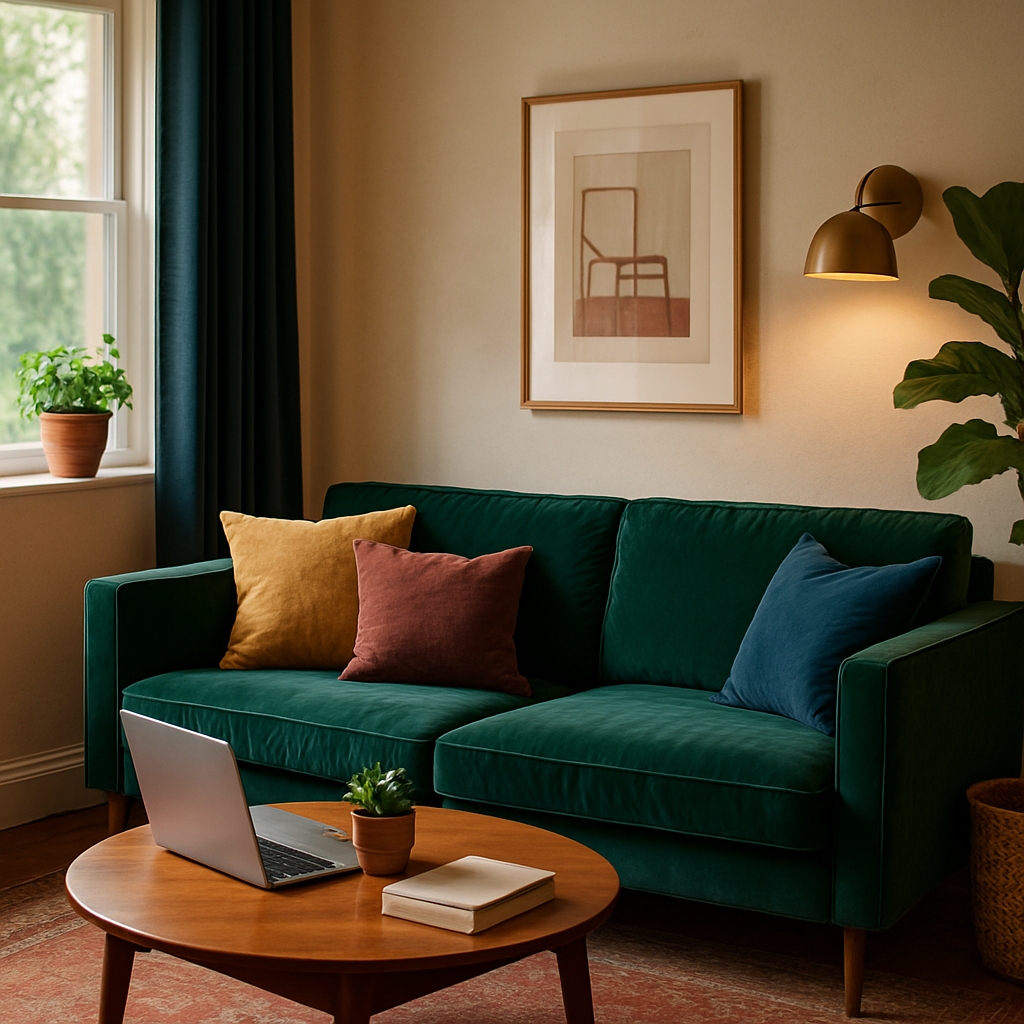
Imagine walking into a room that perfectly reflects your personality, every detail meticulously curated to suit your taste. This is not the work of a magic wand but the power of AI tools in interior design. According to a Houzz survey, over 30% of designers have integrated AI technologies into their projects, radically transforming how they conceive and execute designs. In this article, we'll explore the top five AI tools that are reshaping the landscape of interior design, offering a blend of creativity and efficiency. From virtual reality spaces to smart material selection, these tools are more than just technological marvels-they are essential partners in modern design.
Understanding the Basics: AI in Interior Design
Artificial Intelligence is not just a buzzword-it's a game-changer in the interior design industry. AI tools assist designers in visualizing spaces, selecting materials, and even automating mundane tasks. One of the foundational ways AI impacts interior design is through advanced visualization tools. These tools allow designers to create 3D models of spaces, offering clients a virtual tour of their future rooms. This capability not only enhances client satisfaction but also minimizes costly errors in the design process.
Another significant application of AI is in material selection. Tools like Houzz Pro use AI algorithms to suggest materials and furniture that match the designer's vision and the client's preferences. This feature is particularly valuable given the growing trend towards sustainable and reclaimed materials. By analyzing data on past projects and current trends, AI can predict what materials would be both aesthetically pleasing and environmentally friendly.
Moreover, AI assists in optimizing layouts and furniture arrangements. By learning from past designs, AI can suggest optimal furniture placement that enhances both functionality and aesthetics. This is especially beneficial for small spaces where every square foot counts. As we delve deeper into specific tools, you'll see how these foundational AI applications come to life in practical and transformative ways.
Tool Spotlight: Virtual Reality and Augmented Reality
Virtual Reality (VR) and Augmented Reality (AR) are revolutionizing how designers and clients interact with spaces. According to a report by the American Society of Interior Designers (ASID), VR and AR technologies have increased client satisfaction rates by over 50%. These tools allow clients to immerse themselves in a space before a single nail is hammered, providing a realistic sense of scale and design.
One leading platform in this arena is SketchUp, which integrates VR capabilities to offer a lifelike walkthrough of design concepts. Clients can explore their future homes in real-time, making informed decisions about design elements. This interactive experience not only boosts confidence in the design process but also fosters a collaborative environment where clients and designers can experiment with ideas on the fly.
Furthermore, AR applications like IKEA Place enable users to visualize how furniture will look and fit in their actual living spaces. By using a smartphone camera, users can see a digital overlay of furniture in their homes, adjusting arrangements as needed. This technology saves time and reduces the uncertainty in furniture shopping, making it an indispensable tool for modern designers. As we move into actionable strategies, consider how these tools might fit into your design process.
Actionable Strategies for Integrating AI Tools
Integrating AI tools into your interior design workflow requires a strategic approach. The first step is to evaluate your current design process and identify areas where AI can add value. Are there tasks that are repetitive or time-consuming? AI can automate these, freeing you to focus on creative aspects. For instance, tools like Planner 5D allow designers to quickly create detailed floor plans, automating the drafting process and allowing more time for creative exploration.
Next, consider investing in training or workshops to get the most out of these tools. Platforms such as Architectural Digest's AD PRO offer resources and courses on the latest AI technologies in design. By staying informed, you can leverage these tools to their fullest potential, keeping your skills sharp and your projects competitive. Additionally, joining professional networks like the International Interior Design Association (IIDA) can provide insights and support as you navigate new technologies.
Lastly, incorporate client feedback into your AI tool usage. AI should enhance the client experience, not complicate it. When presenting a VR model or AR furniture placement, encourage clients to share their thoughts. This feedback loop will not only improve your design outcomes but also build trust and satisfaction. As we proceed to expert insights, think about how these strategies can be tailored to your unique practice.
Expert Insights: Leveraging AI for Design Excellence
Experienced professionals often note that the real power of AI tools lies in their ability to enhance creative vision while maintaining practical constraints. AI tools can analyze vast amounts of data to offer solutions that might not be immediately apparent. For example, AI algorithms can suggest innovative uses of space, such as incorporating biophilic design elements that improve both aesthetics and wellness.
One trend gaining traction is the use of AI in creating sustainable designs. AI can recommend eco-friendly materials and energy-efficient layouts, contributing to greener design practices. By analyzing lifecycle data, AI helps designers select materials that not only meet aesthetic goals but also reduce environmental impact, aligning with the growing demand for sustainable solutions.
Moreover, AI enhances collaboration among design teams. Platforms like Autodesk's Revit allow multiple users to work on a project simultaneously, integrating AI to ensure that changes are seamlessly incorporated. This collaborative approach not only speeds up the design process but also ensures a cohesive vision, essential for large-scale projects. As we explore additional expert details, consider the collaborative potential of AI in your projects.
Additional Expert Details: The Future of AI in Design
Looking ahead, the role of AI in interior design will only expand. The integration of smart home technologies is a burgeoning field. AI tools are increasingly used to design spaces that seamlessly incorporate smart lighting, climate control, and automated window treatments. These smart features are not just conveniences but integral parts of a modern, functional home.
Another exciting development is the use of AI in real-time data analysis. AI can track how a space is used over time and suggest adjustments for improved functionality and comfort. This dynamic approach ensures that spaces evolve with the user's needs, offering a level of personalization that traditional design methods cannot match.
Finally, AI tools are becoming more accessible, with user-friendly interfaces that allow even those with little technical background to harness their capabilities. As AI continues to evolve, its integration into interior design will become a standard rather than an exception, driving innovation and efficiency across the industry. In our final section, let's synthesize these insights into actionable next steps for your design journey.
Final Perspectives: Maximizing AI's Potential
As you integrate AI tools into your interior design projects, remember that these technologies should serve as extensions of your creative vision. They offer powerful capabilities to visualize, plan, and execute designs with unprecedented precision. However, the human element-your unique perspective and creativity-remains irreplaceable.
Consider starting with a single project to experiment with AI tools, assessing their impact on your workflow and outcomes. Reflect on questions like: How did AI enhance the design process? What insights did it provide that might have been overlooked otherwise? This reflective practice will help you refine your approach and maximize the benefits of AI in future projects.
Ultimately, the successful integration of AI tools can elevate your design practice, offering clients innovative solutions and personalized experiences. As AI technology continues to advance, staying informed and adaptable will be key to maintaining a competitive edge in the dynamic field of interior design.
Conclusion: Embrace the Future of Interior Design
In conclusion, AI tools are transforming interior design projects by enhancing creativity, efficiency, and client satisfaction. From VR visualizations to smart material recommendations, these technologies offer a wealth of possibilities for modern designers. As you consider incorporating AI into your projects, remember to keep the human touch at the forefront of your designs.
Start by browsing designer portfolios on platforms like Houzz this week-even 20 minutes of research will sharpen your eye for what's possible with AI. By embracing these tools, you'll not only streamline your workflow but also open new avenues for creative expression. The future of interior design is here, and it's powered by AI.



Comments
Post a Comment