Top 5 AI Tools Revolutionizing Interior Design for Homeowners Today
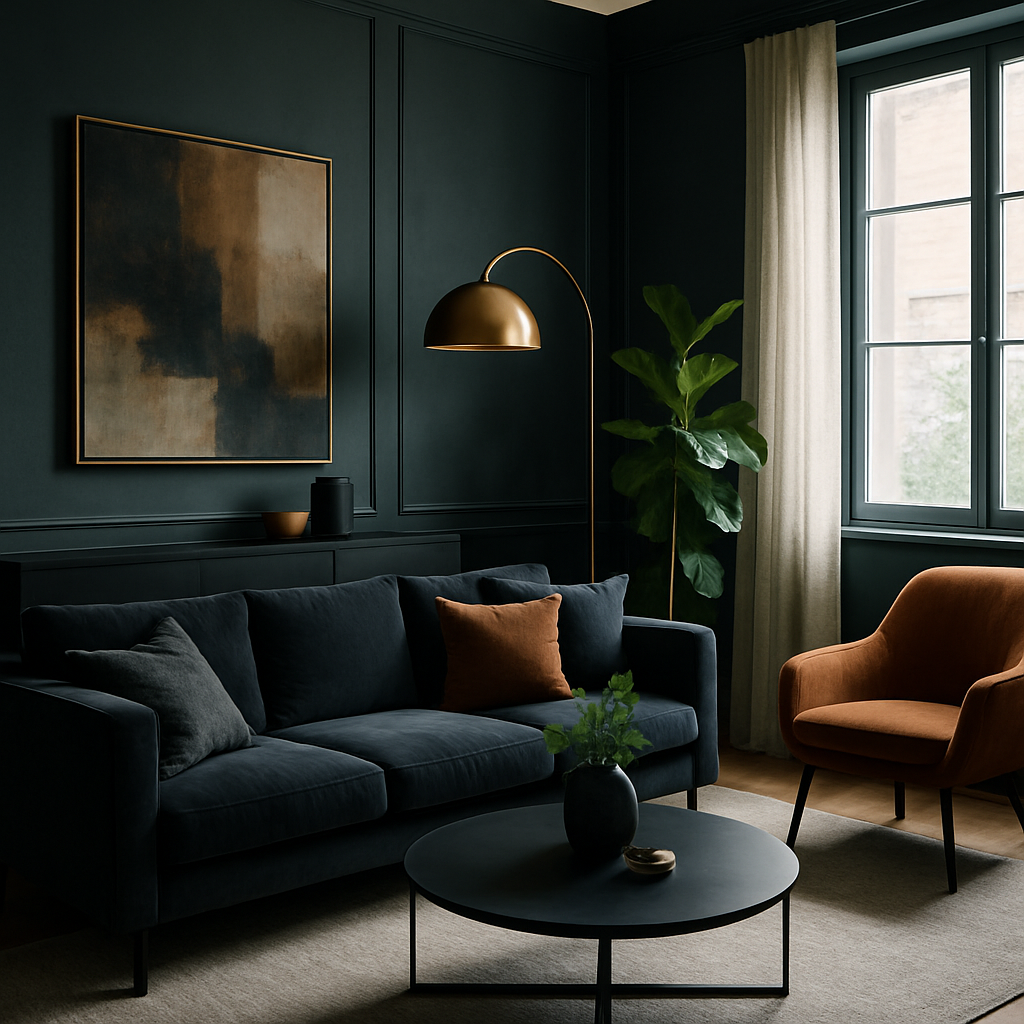
Imagine walking into a room and feeling instantly at home, with every piece of furniture and decor perfectly in place. This dream scenario is becoming a reality thanks to cutting-edge AI tools that are reshaping the interior design landscape. According to a recent survey by Houzz, over 40% of homeowners are now using technology to aid home redesign projects, highlighting a significant shift towards tech-driven solutions. This article explores the top five AI tools currently revolutionizing interior design for homeowners, offering insight into how they can streamline the design process, enhance creativity, and ensure your space truly reflects your personality.
Understanding AI's Role in Interior Design
AI in interior design is not just about automating tasks; it's about enhancing the creative process and ensuring precision in execution. At its core, AI utilizes algorithms to analyze design elements, predict trends, and suggest optimal layouts. This technology empowers both designers and homeowners by providing data-driven insights that were previously unavailable. For instance, AI can analyze a room's dimensions and lighting to suggest color palettes that complement natural light, a crucial factor in achieving the desired ambiance.
One of the foundational concepts is AI's ability to personalize design recommendations based on user preferences. By leveraging machine learning, AI tools can sift through vast databases of design styles and images to present options that align with the homeowner's taste. This level of personalization is akin to having a personal designer at your fingertips, 24/7. Experienced professionals often note that AI's capability to learn from past projects leads to more accurate and satisfying outcomes.
Furthermore, AI helps bridge the gap between professional designers and DIY enthusiasts. With platforms like Houzz offering AI-powered features, homeowners can visualize potential designs without needing extensive technical skills. This democratization of design enables more people to engage with their home projects actively, whether they're redesigning a single room or an entire house. As we delve deeper, you'll see how specific AI tools are making these concepts come to life.
Data-Driven Insights for Better Design
The integration of AI in interior design brings with it a wealth of data-driven insights that are transforming the way spaces are conceptualized and executed. According to ASID, well-designed interiors can increase a property's resale value by 5-15%. AI tools like Planner 5D leverage vast amounts of data to help homeowners understand which design choices are most likely to add value to their homes. By analyzing market trends and historical data, these tools offer evidence-based recommendations that can guide design decisions.
An excellent example of AI's data prowess is its ability to perform real-time simulations. Tools such as ARKit by Apple allow users to visualize changes in their spaces before committing to them. This capability is invaluable for homeowners who want to experiment with different layouts and color schemes without the risk of costly mistakes. Industry surveys suggest that projects employing AI for simulations report higher satisfaction rates, as homeowners can make informed decisions with confidence.
Moreover, AI's predictive analytics offer insights into future design trends, helping homeowners stay ahead of the curve. For instance, the increasing popularity of biophilic design-emphasizing natural elements within interiors-can be tracked and analyzed through AI. This foresight allows users to incorporate trending elements into their designs, ensuring that their homes remain contemporary and stylish. As we explore specific tools, you'll see how AI's analytical capabilities are harnessed to enhance the design experience.
Practical Strategies for Using AI Tools
For homeowners eager to integrate AI into their interior design projects, understanding how to effectively use these tools is key. Begin by identifying your design goals-are you looking to refresh a single room or undertake a complete home transformation? This clarity will help you choose the right AI tools tailored to your project's scope. Houzz Pro, for instance, offers a suite of tools that cater to both small and large-scale projects, allowing users to customize their approach based on specific needs.
Once your goals are set, familiarize yourself with tools like Morpholio Board, which combines mood boarding with AI-driven suggestions. This tool allows you to create a visual representation of your design ideas while offering AI recommendations for products and styles. By actively engaging with such platforms, you can refine your design instincts and make more informed choices. Remember, the more you interact with these tools, the more personalized and accurate their suggestions become.
Another practical strategy is to leverage AI tools for budgeting and project management. Platforms like Ivy by Houzz provide AI-powered financial tracking and procurement solutions, ensuring that your project stays within budget without compromising on quality. By integrating these tools into your process, you can manage resources more efficiently and focus on the creative aspects of design. With these strategies in mind, we will now delve into expert insights on maximizing the potential of AI in interior design.
Expert Insights on AI and Interior Design
Experienced professionals in the interior design industry often emphasize the importance of combining AI with human creativity for the best results. While AI offers unparalleled data analysis and predictive capabilities, it's the designer's vision and intuition that breathe life into a project. The International Interior Design Association (IIDA) underscores the value of this synergy, advocating for designers to embrace AI as a collaborative tool rather than a replacement for traditional methods.
One area where AI excels is in optimizing space utilization. Tools like RoomSketcher use AI to generate multiple layout options based on a room's dimensions and intended use. This functionality is particularly beneficial for urban homeowners dealing with limited space, as it allows for creative solutions that maximize every square foot. By providing a range of layouts, AI enables designers to experiment and identify the most efficient configurations for a given space.
Additionally, AI's role in sustainable design cannot be overstated. As environmental concerns become increasingly critical, AI tools are helping designers source sustainable materials and track resource usage. Platforms that prioritize eco-friendly options, such as those integrating with material databases, empower homeowners to make conscientious choices that align with global sustainability goals. With a foundation of expert insights, we move on to explore deeper aspects of AI in interior design.
Delving Deeper into AI Capabilities
As AI continues to evolve, its capabilities in interior design are expanding beyond traditional boundaries. One exciting development is the integration of AR (Augmented Reality) and VR (Virtual Reality) technologies in design visualization. Through tools like SketchUp Viewer, homeowners can experience immersive walkthroughs of their redesigned spaces, gaining a tangible sense of how changes will feel in reality. This immersive approach not only aids decision-making but also enhances client-designer communication by providing a shared vision.
AI's role in crafting personalized experiences is also advancing rapidly. By analyzing user behavior and preferences, AI can tailor design suggestions that resonate on a personal level. This personalization extends to smart home integration, where AI tools suggest compatible smart devices that align with the design aesthetic while enhancing functionality. For instance, automated lighting solutions that adjust based on natural light levels can be seamlessly incorporated into a design plan, merging technology with style.
Furthermore, AI is making strides in accessibility, providing solutions that accommodate diverse needs. Tools are being developed to assist in designing spaces that are inclusive and functional for individuals with disabilities. By offering design recommendations that consider accessibility features, AI ensures that all homeowners can enjoy spaces that are both beautiful and practical. With these advancements in mind, we now conclude with final perspectives on AI's transformative impact on interior design.
Final Perspectives on AI's Impact
The intersection of AI and interior design marks a significant shift in how homeowners approach creating their ideal spaces. By harnessing AI's analytical power and personalized recommendations, homeowners can embark on design journeys that are informed, creative, and efficient. As AI tools continue to develop, their integration into everyday design processes will only deepen, offering more sophisticated and tailored solutions.
Yet, it's crucial to remember that while AI offers incredible capabilities, the human element remains irreplaceable. The creativity and intuition of a skilled designer bring an irreplaceable depth to any project. By viewing AI as a partner in the design process, homeowners can achieve remarkable outcomes that reflect both technological innovation and personal expression.
As you consider incorporating AI into your next interior design project, reflect on how these tools can support your vision. Are there specific aspects of your home you wish to transform? With a clear understanding of AI's potential, you can make informed decisions that enhance your living space. In the conclusion, we'll outline a concrete next step you can take to begin this transformative journey.
Conclusion: Taking the Next Step
In summary, the top five AI tools revolutionizing interior design today are reshaping how homeowners approach creating their ideal spaces. From data-driven insights and practical strategies to expert insights and deeper capabilities, AI provides a wealth of resources that empower homeowners to design with confidence and creativity. As AI continues to evolve, its role in interior design will only expand, offering more sophisticated solutions tailored to individual needs.
Now is the time to explore these AI tools and see how they can enhance your design projects. Start by browsing designer portfolios on Houzz or experimenting with a tool like Morpholio Board. Even dedicating just 20 minutes this week can significantly sharpen your eye for design possibilities and inspire new ideas for your home. By taking this first step, you'll be well on your way to creating a space that truly reflects your personality and lifestyle.



Comments
Post a Comment