Top 10 Online Interior Design Tools to Elevate Your Home Decor
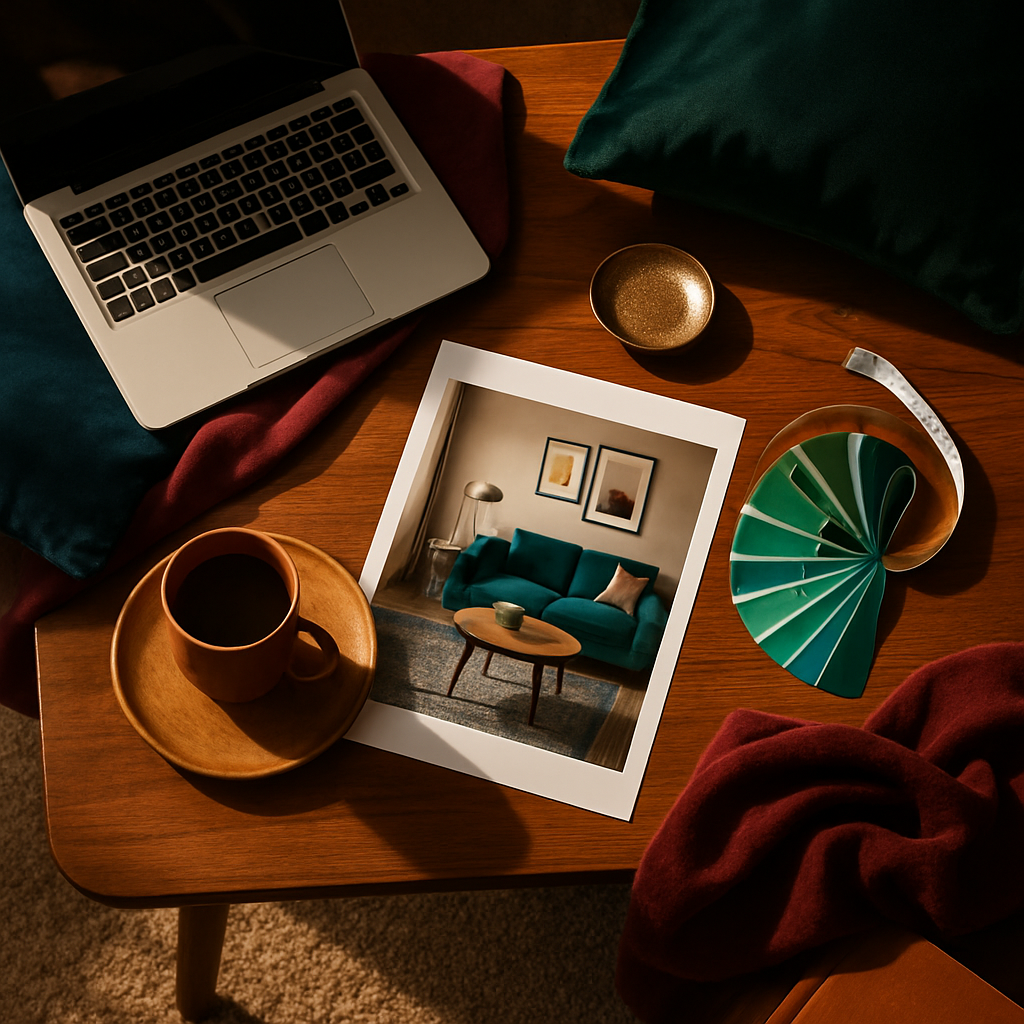
Have you ever walked into a beautifully designed room and wondered how it all came together so seamlessly? According to Houzz, 74% of homeowners who undertook home improvement projects in 2023 reported enhanced satisfaction with their living spaces. This statistic underscores the importance of well-thought-out design. Today, technology offers an array of online interior design tools that can transform your home decor without the need for a professional on site. In this article, we'll explore ten of these powerful tools, offering foundational insights, detailed analysis, actionable strategies, and expert-level advice to help you elevate your interior spaces.
Understanding the Basics of Online Interior Design Tools
Online interior design tools have revolutionized the way both amateurs and professionals approach home decor. These digital platforms offer a range of functionalities, from simple mood boards to complex 3D renderings. The rise of virtual design software like SketchUp and the inclusion of augmented reality (AR) in apps like Houzz's View in My Room 3D have democratized design, allowing more homeowners to visualize changes before making any real-world alterations. This accessibility means you can test colors, furnishings, and layouts with just a few clicks.
Moreover, these tools often include comprehensive libraries of furniture and decor items from various brands, providing a one-stop shop for inspiration and planning. For instance, AutoCAD, a staple in professional design, offers precise measurements and advanced features for those looking to delve deeper into the architectural aspects. While tools like these may have a steep learning curve, they provide unparalleled customization options for serious design enthusiasts.
As you embark on your design journey, consider how these platforms can fit into your planning process. Are you looking to simply redecorate a room or undertake a full-scale renovation? Understanding your project's scope will help determine which tool is right for you. Each tool offers distinct advantages, so aligning them with your goals is crucial. Next, we'll delve into specific platforms and how they can enhance your design process.
Evaluating the Impact of Technology on Interior Design
The integration of technology into interior design has not only expanded possibilities but also increased efficiency. According to the American Society of Interior Designers (ASID), digital tools can reduce project timelines by up to 30%. This is largely because these tools allow for faster iterations and easy adjustments, which were previously time-consuming in traditional design methods. By enabling real-time collaboration and feedback, online tools can also foster better communication between clients and designers.
One tool leading this technological revolution is Foyr Neo, known for its user-friendly interface and powerful design capabilities. It allows users to create stunning 3D models and walkthroughs, making it easier to visualize the final outcome. The platform supports a wide range of file formats, ensuring compatibility with other software used by professionals. Additionally, platforms like Roomstyler provide drag-and-drop simplicity, allowing users to experiment with thousands of furniture pieces and decor items in a virtual space.
The data-driven nature of these tools provides users with insights into trends and user preferences. For example, Houzz's annual survey data indicates a growing preference for sustainable materials and smart home integration among homeowners. By leveraging such insights, you can ensure that your design choices are not only aesthetically pleasing but also aligned with current trends. Let's now explore actionable strategies to maximize the use of these tools in your projects.
Actionable Strategies for Using Design Tools Effectively
Maximizing the potential of online design tools requires a strategic approach. Start by clearly defining your design objectives. Are you aiming to create a minimalist space inspired by Japandi trends, or are you more inclined towards the opulence of quiet luxury? Having a clear vision will guide your use of design tools and ensure consistency across your project. Next, familiarize yourself with the platform you choose. Many tools, such as SketchUp, offer tutorials and community forums to help you get started.
Once you're comfortable with the basics, take advantage of the collaborative features these platforms offer. Tools like Homestyler enable you to share designs with family or clients for feedback. This collaborative approach can inspire new ideas and provide diverse perspectives that enhance your project. Additionally, many of these platforms offer AR or VR capabilities, allowing you to virtually "walk through" your design. This immersive experience can highlight potential issues or areas for improvement before any physical changes are made.
As you experiment with different designs, keep budget considerations in mind. Using these tools, you can test various layouts and materials, helping you make informed decisions without costly trial and error. For instance, testing a room's color scheme using a tool like ColorSnap Visualizer can prevent expensive repainting by ensuring the colors work harmoniously. As we continue, we'll delve into advanced features that set these tools apart from traditional design methods.
Advanced Features of Top Interior Design Tools
For those seeking to push the boundaries of their home decor, some online tools offer advanced features that cater to professional-level projects. AutoCAD, for example, is renowned for its precision and is widely used in architecture and engineering. Its advanced tools allow users to create detailed floor plans and integrate complex design elements, making it ideal for large-scale renovations or new builds. For interior designers, these capabilities are indispensable in ensuring accuracy and compliance with building codes.
Another standout feature in many platforms is the use of AI-driven suggestions. Programs like Havenly employ AI to recommend furniture and decor based on user preferences, streamlining the decision-making process. This not only saves time but also introduces users to brands and products they might not have considered. Additionally, platforms with AR capabilities, such as IKEA Place, allow users to visualize how furniture will look in their actual space, reducing uncertainty and enhancing confidence in their purchasing decisions.
While these advanced features are beneficial, they require a degree of technical proficiency. Therefore, investing time in learning and experimenting with these tools can pay off significantly, especially for those undertaking complex projects. As we move to the next section, we'll discuss additional expert insights that can further enhance your design experience.
Insights from Industry Experts
Experienced professionals often note the importance of integrating technology with traditional design principles. The International Interior Design Association (IIDA) emphasizes the need for designers to balance innovation with functionality. This means while tools can help visualize and plan, a deep understanding of design fundamentals is still crucial. For example, the principles of scale, proportion, and balance should guide your virtual layouts to ensure a harmonious space.
Furthermore, experts suggest using these tools as part of a broader design strategy. This involves not only focusing on the visual aspects but also considering the practical use of space. For instance, a well-designed room should cater to the lifestyle and habits of its occupants, which requires thoughtful planning beyond aesthetics. Incorporating biophilic design elements, such as natural light and greenery, can enhance the indoor environment, promoting well-being and comfort.
Lastly, understanding the cost implications of various design choices is essential. By using online tools to simulate different scenarios, you can forecast expenses and avoid budget overruns. This is particularly important when dealing with high-end materials or custom furniture, where costs can quickly escalate. As we conclude, let's look at the final perspectives on utilizing these tools to their fullest potential.
Final Perspectives on Utilizing Design Tools
As you harness the power of online interior design tools, it's important to remain open to experimentation and learning. The landscape of design is constantly evolving, with new tools and features emerging regularly. Staying informed about these developments can provide a competitive edge, whether you're a homeowner or a professional designer. Moreover, continually refining your skills with these platforms can lead to more creative and effective design solutions.
It's also worth considering the long-term impact of your design choices. Sustainable materials and smart home integrations are increasingly popular, reflecting a shift towards more environmentally conscious living. By incorporating these elements into your designs, you not only enhance the appeal of your space but also contribute to a healthier planet. The integration of technology should serve to complement and enhance your innate design sensibilities, not override them.
Ultimately, the goal is to create spaces that are both functional and reflective of personal style. As we wrap up, let's focus on the actionable steps you can take to begin your design journey with confidence and clarity.
Conclusion: Start Your Design Journey Today
In conclusion, online interior design tools offer a wealth of possibilities for transforming your home decor. From foundational platforms like SketchUp and AutoCAD to innovative apps employing AR, the options are vast and capable of catering to diverse design needs. By understanding and leveraging these tools, you can enhance your home's aesthetic appeal and functionality.
Are you ready to elevate your home decor with these powerful design tools? Start by exploring portfolios on Houzz and experimenting with AR features in platforms like IKEA Place. Even a short 20-minute session can significantly refine your sense of style and uncover new ideas. Remember, the key is to blend technology with traditional design principles to create spaces that resonate with you and your lifestyle.



Comments
Post a Comment