Top 10 Online Interior Design Tools for Home Makeovers in 2023
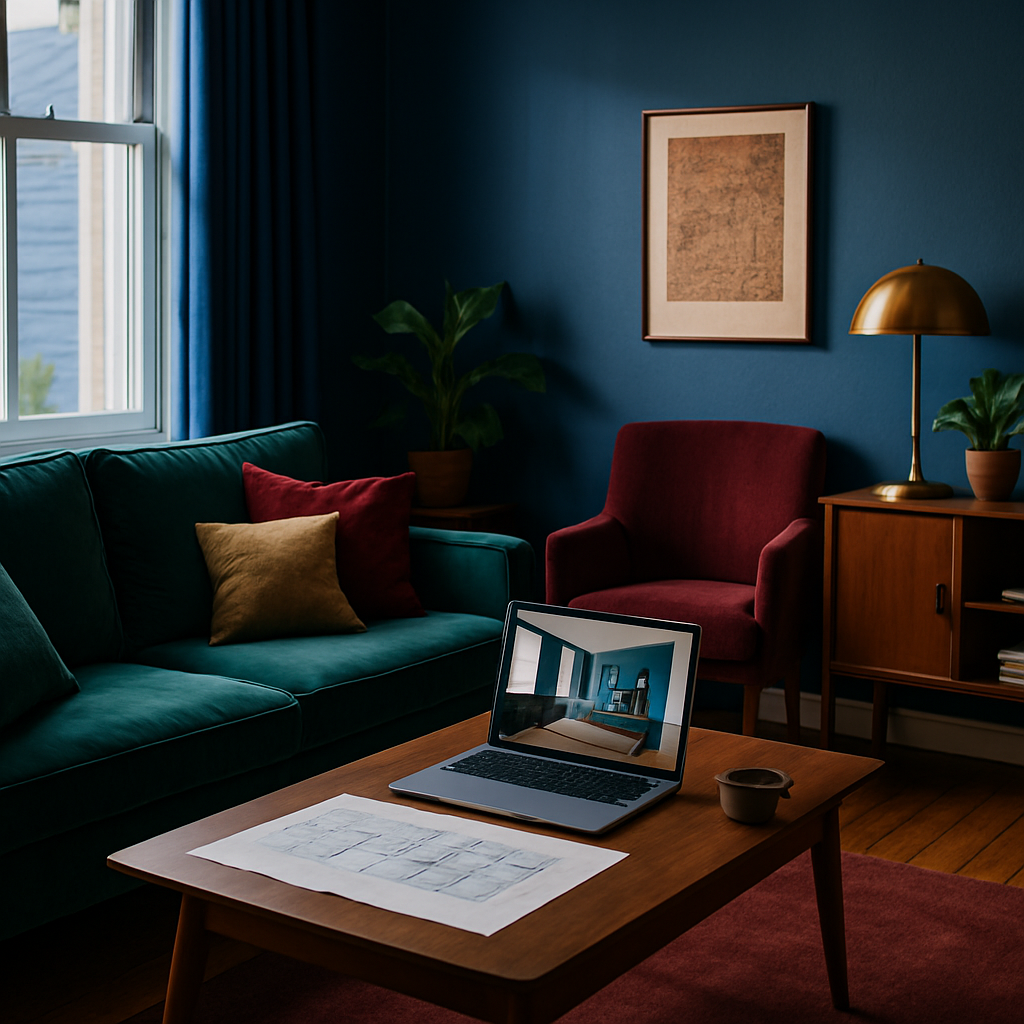
Ever wondered how some people manage to transform their living spaces so effortlessly? In a world where first impressions are often visual, a beautifully designed home can elevate your lifestyle and even increase property value by 5-15%. Whether you're looking to revamp a single room or undertake a full-home renovation, the right tools can make all the difference. This article explores the top 10 online interior design tools in 2023 that are revolutionizing the way we approach home makeovers. From cutting-edge AR/VR visualization platforms to collaborative design software, these tools offer both novices and seasoned designers the capabilities to bring their creative visions to life. We'll dive deep into each tool's features, costs, and the unique advantages they offer, ensuring you're well-equipped to tackle your next design project.
The Foundation of Online Interior Design Tools
Understanding the fundamental capabilities of online interior design tools is essential for any successful home makeover. At their core, these tools are designed to streamline the design process, offering users intuitive interfaces to visualize, plan, and execute their ideas. Platforms like Houzz Pro and SketchUp are renowned for their user-friendly interfaces, enabling both professionals and DIY enthusiasts to create detailed design plans. These platforms allow you to experiment with layouts, textures, and color schemes without the need for costly trial-and-error in the real world.
Moreover, many of these tools incorporate advanced technologies such as AR (Augmented Reality) and VR (Virtual Reality), enhancing the design experience. For example, the popular tool RoomSketcher offers a VR feature that lets users virtually walk through their designs, providing a realistic sense of space and proportion. This capability is particularly beneficial when it comes to selecting furniture and decor, ensuring that each piece fits perfectly within the intended space. According to industry surveys, users who leverage VR tools report a 30% increase in satisfaction with their final designs.
Beyond visualization, these tools often offer collaborative features, allowing multiple users to work on a project simultaneously. This is particularly useful for families or design teams, as it facilitates real-time feedback and adjustments. Experienced professionals often note that this collaborative aspect can significantly reduce the time and cost associated with design revisions. As we move forward, we'll examine specific tools that exemplify these foundational concepts.
Analyzing the Best Online Tools with Data
When selecting an online interior design tool, it's crucial to consider not only its features but also data on user satisfaction and effectiveness. According to Houzz's annual survey, which gathers insights from over 80,000 homeowners, the most valued tools are those that offer comprehensive functionality paired with a seamless user experience. Tools like AutoCAD LT and Revit have been highlighted for their robust design capabilities and precision, preferred by those with more technical design needs.
For those looking for a balance between professional-grade tools and user accessibility, Planner 5D stands out. This platform combines ease of use with a rich feature set that includes 3D modeling, a vast library of decor items, and the ability to generate photorealistic images. Users have reported spending an average of 20% less time on project planning when using Planner 5D compared to traditional methods.
Data also reveals that cost is a significant factor in tool selection. Tools like Homestyler, which offer free basic versions with premium upgrades, are particularly popular among DIY enthusiasts. This freemium model allows users to explore core functionalities before committing to a paid subscription, which typically ranges from $19 to $39 per month. As we delve into actionable strategies, consider how these data-driven insights can guide your choice of tools.
Actionable Strategies for Using Design Tools
To maximize the benefits of online interior design tools, it's important to approach them with a strategic mindset. First, clearly define the scope of your project. Are you redesigning a single room or an entire home? This will influence your choice of tool. For example, Sweet Home 3D is ideal for smaller projects with its drag-and-drop simplicity and detailed room templates. In contrast, larger projects may benefit from the advanced capabilities of Chief Architect software, which offers detailed architectural design features.
Next, take advantage of the collaborative features many tools offer. Invite household members or design partners to share feedback and ideas. Platforms like Cedreo allow you to invite others to view your plans and suggest modifications, fostering a more inclusive design process. Collaboration can uncover new perspectives and ideas you might not have considered on your own.
Finally, don't shy away from experimenting with different styles and layouts. Many tools provide extensive libraries of furniture and decor, allowing you to test various combinations. According to the American Society of Interior Designers (ASID), experimenting with diverse styles can lead to more creative and personalized outcomes. Use these tools to explore the latest trends, such as biophilic design and quiet luxury, to see what resonates with your unique aesthetic. Now, let's explore how expert-level insights can further refine your design process.
Expert-Level Insights and Tool Utilization
Experienced interior designers often leverage online tools not just for visualization, but as comprehensive project management solutions. Tools like Design Manager and Ivy are particularly popular among professionals for their ability to handle complex tasks such as budgeting, procurement, and client management. These platforms enable designers to track expenses and timelines, ensuring projects stay on schedule and within budget.
The integration of sustainable and eco-friendly design elements is another area where online tools can be invaluable. Platforms like Planner 5D and Roomstyler allow for the incorporation of sustainable materials and energy-efficient designs, aligning with the growing trend towards environmentally conscious living. Designers can easily access a variety of green materials and simulate their impact within a space, aiding in both aesthetic and ethical decision-making.
Moreover, tools equipped with AR and VR capabilities, such as SketchAR, provide clients with an immersive experience, allowing them to visualize the impact of design choices in real-time. This not only enhances client satisfaction but also minimizes the likelihood of costly post-installation changes. As we continue, we'll discuss additional layers of depth that can further enhance your design projects.
Adding Depth with Additional Tools and Techniques
While the top 10 online interior design tools offer robust functionalities, integrating additional resources can elevate your design projects to new heights. Professional networks like NCIDQ (National Council for Interior Design Qualification) and IIDA (International Interior Design Association) offer courses and certifications that can deepen your understanding of design principles and trends. These credentials not only enhance your expertise but also add credibility to your work.
Incorporating social media platforms such as Instagram and Pinterest into your design process can also provide inspiration and fresh ideas. By following leading designers and exploring trending hashtags, you can discover new styles and innovations to incorporate into your projects. Visual platforms are particularly useful for staying up-to-date with current trends such as Japandi and smart home integration.
Finally, consider using augmented reality apps like Houzz's View in My Room 3D, which enable you to test furniture and decor in your actual living space before making a purchase. These tools can save you from costly mistakes and ensure that each element complements your overall design vision. As we wrap up, let's summarize the key takeaways and provide a clear path forward for your next design project.
Final Perspectives on Interior Design Tools
As we've explored, the landscape of online interior design tools is vast and varied, offering solutions tailored to different needs and preferences. Whether you're a professional designer or a homeowner embarking on a DIY project, these tools provide invaluable resources that can save time, reduce costs, and enhance creativity. From foundational platforms like SketchUp to specialized tools like Ivy, the options are plentiful.
The key to successful utilization lies in understanding each tool's strengths and aligning them with your project goals. By combining design software with collaborative and visualization features, you can create spaces that are both functional and aesthetically pleasing. Remember, the journey to a transformed home is as much about the process as it is about the outcome.
So, are you ready to take your home makeover to the next level? Start by exploring these top tools and see which aligns best with your vision and needs. With careful planning and the right resources, a stunning home transformation is within reach.
Conclusion
In conclusion, the top 10 online interior design tools for 2023 provide a robust framework for executing home makeovers with precision and style. By leveraging these cutting-edge platforms, you can enhance your design capabilities, streamline project management, and achieve professional-quality results. The integration of AR/VR technology, sustainable materials, and collaborative features ensures that every aspect of your project is covered.
Now, it's time to put this knowledge into action. Start by browsing designer portfolios on platforms like Houzz or Instagram this week. Even dedicating just 20 minutes to research will sharpen your eye for what you want. With these insights and tools at your disposal, you're well-equipped to embark on your next design adventure with confidence.


Comments
Post a Comment