Top 10 Interior Designers Transforming Spaces in 2023
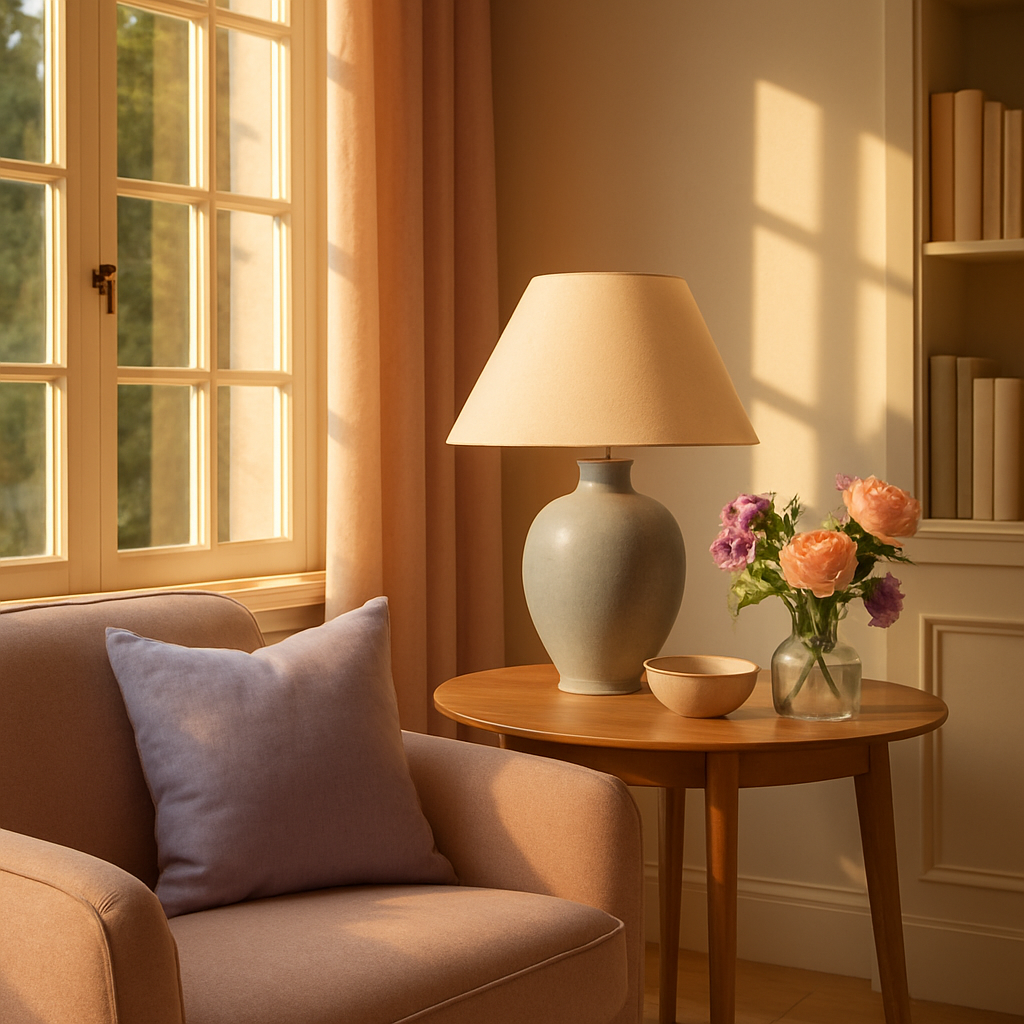
Are you ready to transform your living space into something extraordinary? A professionally designed interior can do more than just improve aesthetics; it's an investment that can enhance your quality of life and even increase your home's value. According to the American Society of Interior Designers (ASID), well-crafted interiors can boost resale value by 5-15%. In this article, we'll explore the top 10 interior designers who are making waves in 2023, each bringing their unique flair to homes around the world. We'll delve into their design philosophies, highlight key projects, and offer insights on how you can collaborate with these experts to create your dream space.
Understanding What Makes a Top Interior Designer
Before we dive into the list of top interior designers, it's essential to understand what sets these professionals apart in a competitive field. Certification is a crucial factor; designers who hold the NCIDQ (National Council for Interior Design Qualification) certification have demonstrated a comprehensive understanding of design principles, building codes, and professional practice. This credential ensures that clients receive expert guidance grounded in best practices. Additionally, many top designers are members of professional organizations like the International Interior Design Association (IIDA) or ASID, which provide ongoing education and networking opportunities.
Another defining characteristic of leading designers is their ability to blend creativity with functionality. They don't just focus on the visual appeal of a space but also consider how it will be used daily. This means understanding traffic flow, optimizing lighting, and selecting materials that meet both aesthetic and functional needs. For instance, a designer might choose sustainable, easy-to-clean fabrics for a family room that sees a lot of activity. Are there specific functional requirements you have for your space?
Finally, top designers are adept at project management. They guide clients through the phases of concept development, design presentation, procurement, installation, and styling. This comprehensive approach ensures that all elements of a project are coordinated effectively, resulting in a cohesive and polished end product. As we explore the profiles of our top 10 designers, keep an eye out for these competencies that set them apart in the industry.
Spotlight on the Industry Leaders
According to Houzz's annual survey, homeowner spending on interior design projects continues to rise, with many clients seeking the expertise of renowned designers to achieve their vision. One standout is Kelly Wearstler, known for her bold, eclectic style that combines luxury with whimsy. Wearstler's projects often feature striking contrasts and unexpected materials, creating spaces that are as unique as they are luxurious. Her work on the Proper Hotel in Santa Monica is a testament to her ability to transform spaces into artful experiences.
Another influential figure is Nate Berkus, whose approachable yet sophisticated designs have earned him a loyal following. Berkus emphasizes the importance of personalizing spaces, encouraging clients to incorporate pieces that tell their story. This approach not only enhances the aesthetic appeal but also creates a more meaningful connection between the space and its occupants. His recent renovation of a historic home in New York showcases his talent for blending contemporary elements with traditional architecture.
Joanna Gaines, co-founder of Magnolia, has popularized the modern farmhouse style with her warm, inviting interiors. Gaines is celebrated for her ability to balance rustic charm with modern comforts, creating spaces that feel both familiar and fresh. Her use of shiplap, reclaimed wood, and neutral palettes has inspired countless homeowners to embrace a more relaxed, yet stylish, approach to design. As we continue, consider which of these styles resonates most with your personal taste.
How to Choose the Right Designer for Your Project
Selecting the right interior designer involves more than simply admiring their portfolio. It's about finding someone whose vision aligns with your own and who can navigate the complexities of your project. Start by determining the scope of your project and what you hope to achieve. Are you redesigning a single room, or is it a full-home transformation? Understanding your goals will help you communicate effectively with potential designers.
Next, consider the designer's fee structure. Many top designers offer a range of pricing models, including flat fees, hourly rates, or a percentage of the total project cost. According to industry standards, hourly rates can range from $150 to $500, while percentage-based fees typically fall between 10-25% of the project's total cost. Be sure to discuss budget constraints upfront to avoid surprises later in the process.
Finally, schedule consultations with potential designers to discuss your project and see if there's a good fit. This interaction will give you a sense of their communication style, problem-solving abilities, and whether they truly understand your vision. Experienced professionals often note the importance of this alignment in ensuring a successful collaboration. With these strategies in mind, you're well-equipped to begin your search.
The Role of Technology in Modern Interior Design
As technology continues to evolve, so too does its role in interior design. Designers are increasingly leveraging tools like AR (augmented reality) and VR (virtual reality) to provide clients with immersive previews of their projects. These technologies allow clients to explore different layouts, color schemes, and furniture arrangements in a fully interactive environment, making the decision-making process more informed and dynamic.
Smart home integration is another trend that top designers are incorporating into their projects. From automated lighting and climate control to intelligent window treatments, these features not only enhance convenience but also contribute to energy efficiency. For example, a client might use a smart system to adjust lighting based on the time of day or season, optimizing both ambiance and utility costs.
Biophilic design, which emphasizes the connection between interior spaces and the natural environment, is also gaining popularity. This approach often involves the use of natural materials, living walls, and a seamless indoor-outdoor flow. Designers who specialize in this style create spaces that promote well-being and sustainability, responding to a growing demand for eco-friendly design solutions. How might these technological advancements influence your interior design project?
Insights from the 2023 Design Trends
The interior design landscape is always evolving, and 2023 is no exception. One of the most notable trends is "quiet luxury," which focuses on understated elegance and high-quality materials rather than overt opulence. This style is characterized by neutral palettes, clean lines, and a focus on craftsmanship, offering a sophisticated take on modern living.
Japandi, a blend of Japanese minimalism and Scandinavian warmth, is another trend gaining traction. This style emphasizes simplicity and functionality, with a focus on natural materials and a muted color palette. By combining the best elements of both design philosophies, Japandi creates a serene and balanced environment that is both stylish and comfortable.
Sustainability continues to be a driving force in design, with more clients seeking eco-friendly options for their homes. From reclaimed wood flooring to energy-efficient appliances, designers are finding creative ways to incorporate sustainable practices into their projects. By prioritizing these elements, you can create a home that is not only beautiful but also environmentally responsible.
Final Thoughts on Transforming Your Space
As we reflect on the transformative power of interior design, it's clear that the right designer can make a significant impact on both the aesthetic and functional aspects of a home. Whether you're drawn to the bold designs of Kelly Wearstler or the cozy charm of Joanna Gaines, finding a designer whose vision aligns with your own is key to a successful project.
Remember, the journey doesn't end with the completion of a project. Interior design is an ongoing process that adapts to the needs and preferences of its occupants. Regular updates and adjustments can keep your space feeling fresh and relevant, ensuring it continues to meet your lifestyle needs.
Are you ready to take the next step in transforming your space? Start by browsing portfolios on platforms like Houzz or Instagram this week. Even 20 minutes of research can sharpen your eye for what you want and help you make informed decisions about your project.
Conclusion: Your Path to a Transformed Home
The world of interior design offers endless possibilities for enhancing your living space, and the top designers of 2023 are leading the charge with innovative approaches and unparalleled creativity. By understanding the unique strengths of each designer and aligning them with your vision, you can create a home that reflects your personality and meets your functional needs.
As you embark on this journey, remember to leverage the resources available to you, from professional directories like ASID and IIDA to technology that can visualize your ideas before they're brought to life. Your dream space is within reach, and with the right designer by your side, you can turn that vision into reality.
Don't wait any longer to start your transformation. Begin by reaching out to a designer whose work inspires you. Their expertise can guide you through every step of the process, ensuring your project is a resounding success. Happy designing!


Comments
Post a Comment