Top 10 Interior Designers to Follow for Stunning Home Transformations
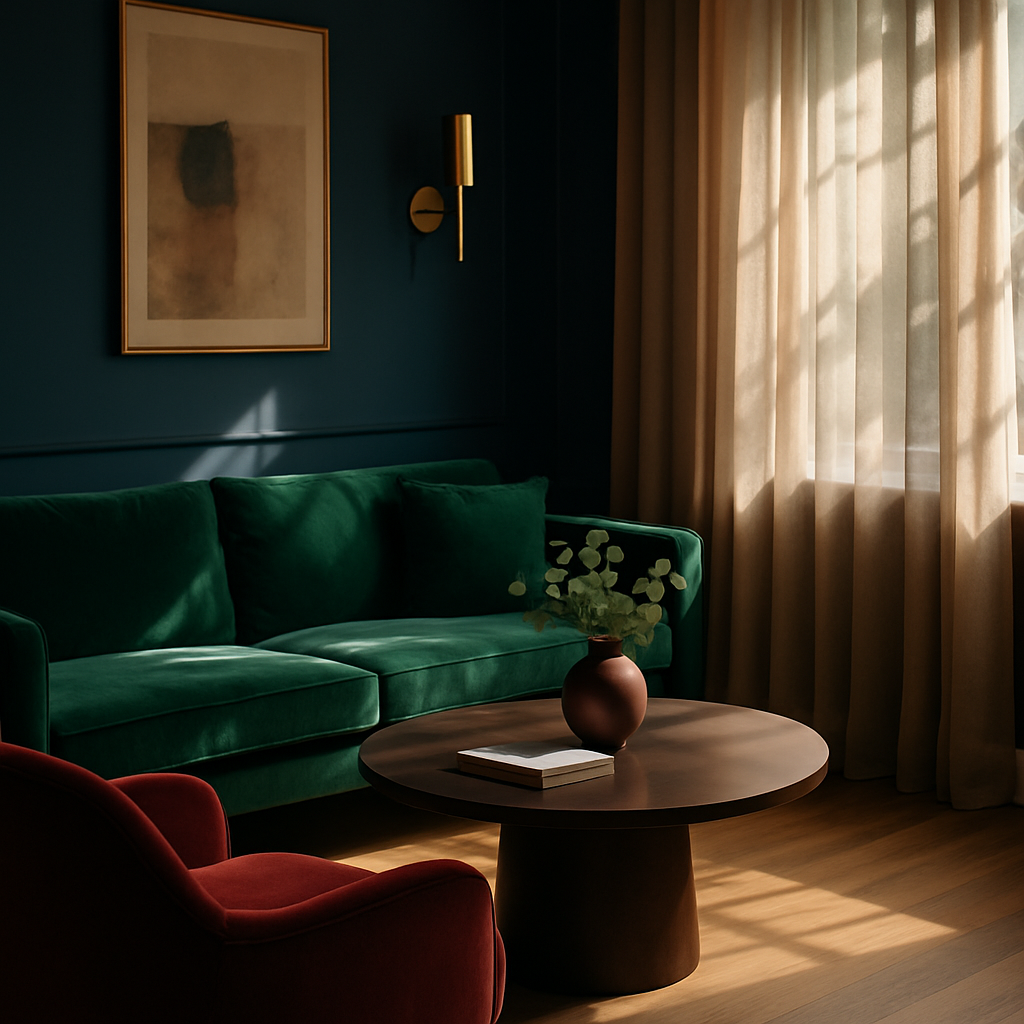
Have you ever walked into a room and felt an immediate sense of awe, as if the space itself was speaking to you? This is the power of exceptional interior design. In a world where aesthetics meet functionality, following the right designers can transform not just spaces but lives. This article will guide you through the top 10 interior designers renowned for creating breathtaking home transformations. We'll explore the foundational concepts that make their designs impactful, delve into industry statistics, and offer actionable strategies to incorporate their ideas into your own spaces. Ready to elevate your home's design?
The Foundations of Exceptional Interior Design
What sets a stunning home transformation apart from a mere makeover? At the core, it's the foundational concepts that seasoned designers employ. These professionals understand that successful design is not just about aesthetics but also about enhancing how a space functions. Certified designers, often holding credentials such as NCIDQ (National Council for Interior Design Qualification), ensure that every detail serves a purpose. This certification is a hallmark of professionalism and expertise, distinguishing designers from decorators who may lack formal training.
One of the essential principles is the fluidity of space. Designers like Kelly Wearstler and Nate Berkus focus on creating environments that flow naturally, ensuring cohesion from room to room. This fluidity is often achieved through a strategic use of color palettes, textures, and materials that connect different areas of the home. According to the ASID (American Society of Interior Designers), a well-designed space can increase a home's resale value by 5-15%, making these foundational elements not just aesthetic choices but smart financial decisions.
Another critical element is personalization. Designers who excel in home transformations often start by understanding the unique lifestyles and preferences of their clients. For instance, Emily Henderson is known for her ability to blend her clients' personalities with functional design, resulting in spaces that are both beautiful and livable. This approach underscores the importance of personalized design, ensuring that each transformation is not only visually stunning but also deeply personal. As we explore deeper, you'll see how these foundations are built upon to create transformative designs.
Data-Driven Insights into Modern Design Trends
Understanding the current trends and consumer data is crucial for anyone looking to transform their home. According to a recent survey by Houzz, an online community for architecture, interior design, and decorating, homeowner spending on renovations has increased, with an average project cost now exceeding $15,000. This surge underscores the growing importance of integrating trend-driven designs that offer both style and functionality.
Designers like Joanna Gaines have capitalized on the trend of biophilic design, which emphasizes the use of natural materials and indoor-outdoor flow. This trend not only enhances aesthetics but also promotes well-being by connecting occupants with nature. According to industry surveys, homes that incorporate such elements tend to have higher satisfaction rates among their inhabitants, as natural materials are often perceived as calming and rejuvenating.
Another significant trend is the integration of smart home technology. Designers such as Jonathan Adler are leading the charge in incorporating automated lighting, climate control, and window treatments. This trend reflects a shift towards more sustainable and efficient homes, aligning with consumer demand for energy efficiency and convenience. As we move to actionable strategies, consider how these trends might fit into your own home projects.
Actionable Strategies for Your Home Transformation
Ready to implement some of these transformative ideas into your own space? Start small by analyzing how each room in your home is used, and consider how you can enhance its functionality. Mapping out your daily activities-where you relax, entertain, or find solace-can guide your design decisions. For instance, if the kitchen is the heart of your home, investing in smart appliances or creating an open-plan layout can significantly enhance its usability.
Next, take a closer look at your color schemes and materials. Designers like Amber Lewis suggest opting for muted tones and natural materials to create a serene and cohesive look. This approach not only aligns with current trends but also ensures longevity, as neutral palettes are less likely to become dated. Experiment with textures-mix wood with metals or integrate soft textiles for added warmth and interest.
Finally, consider working with a certified designer who can provide expert guidance throughout the process. Platforms like Houzz offer access to portfolios and reviews, helping you find professionals who match your style and budget. Remember, even a 20-minute consultation can provide insights that significantly impact your design choices. As we delve into expert-level details, these strategies will serve as a strong foundation for more sophisticated design elements.
Expert-Level Details for a Polished Look
For those seeking a truly polished transformation, understanding the nuances of design can make all the difference. Experienced professionals often highlight the importance of scale and proportion in creating balanced spaces. Designers like Philippe Starck are masters at manipulating these elements, ensuring that furniture and décor complement the room's dimensions rather than overpower it.
Another advanced concept is layering, which involves the strategic use of furnishings, textiles, and accessories to add depth and richness to a space. Layering doesn't just mean piling on cushions or throws; it's about thoughtfully arranging items to create a harmonious composition. This technique is evident in the work of designers like Martyn Lawrence Bullard, who uses it to evoke a sense of luxury and comfort.
Lighting is another critical aspect often overlooked by novice designers. Experts recommend a mix of ambient, task, and accent lighting to enhance the mood and functionality of a space. Consider how designers like Kelly Hoppen use lighting to highlight architectural features or create focal points. As we transition to additional depth, keep these expert insights in mind to refine your design approach.
Additional Depth: The Role of Personal Style and Sustainability
When it comes to home transformations, your personal style plays a pivotal role in the process. Renowned designers like Justina Blakeney champion the idea of infusing personal touches into every aspect of a design. This might include showcasing cherished art pieces or integrating heirloom furniture, ensuring the space reflects the inhabitant's personality and history.
Sustainability is another key consideration in modern interior design. Many top designers are now emphasizing the use of reclaimed materials and sustainable practices. Designers like Axel Vervoordt are known for their commitment to eco-friendly design, often opting for upcycled or locally sourced materials. This not only minimizes environmental impact but also adds a unique narrative to the design.
Finally, consider the impact of technology on design. AR/VR room visualization tools are becoming increasingly popular, allowing clients to see potential transformations in real-time before making decisions. This technology, embraced by forward-thinking designers, offers a new level of engagement and precision, making it easier than ever to achieve a perfect design. As we approach our final perspectives, think about how these elements might enrich your design journey.
Final Perspectives on Home Transformations
With all these insights in mind, where do you begin your own home transformation? Start by identifying the aspects of your current space that inspire you the most. Is it a particular room, a piece of furniture, or perhaps a color scheme that resonates deeply with you? Use these elements as a starting point for your redesign journey.
Engaging with the work of top designers can provide both inspiration and practical advice. Consider following designers on platforms like Instagram and Pinterest, where they often share behind-the-scenes glimpses of their projects and thought processes. This can be an invaluable resource as you shape your own design vision.
Ultimately, the goal is to create a space that not only looks stunning but also enhances your life. By harnessing the expertise of leading designers and embracing contemporary trends, you can achieve a transformation that is both beautiful and functional. As we conclude, let's encapsulate these insights into a clear, actionable plan.
Conclusion: Take the Next Steps in Your Design Journey
In conclusion, following the top interior designers can significantly elevate your home transformations, providing both inspiration and practical guidance. From foundational concepts to advanced design techniques, these professionals offer a wealth of knowledge that can be adapted to any space. Reflect on the trends and strategies discussed here-how might they influence your next design project?
To start your journey towards a stunning home transformation, begin by exploring designer portfolios on platforms like Houzz this week. Even dedicating just 20 minutes can sharpen your eye for design and help clarify your vision. Are you ready to transform your home with the expertise of the industry's best?


Comments
Post a Comment