Top 10 Interior Design Principles You Need to Know Today
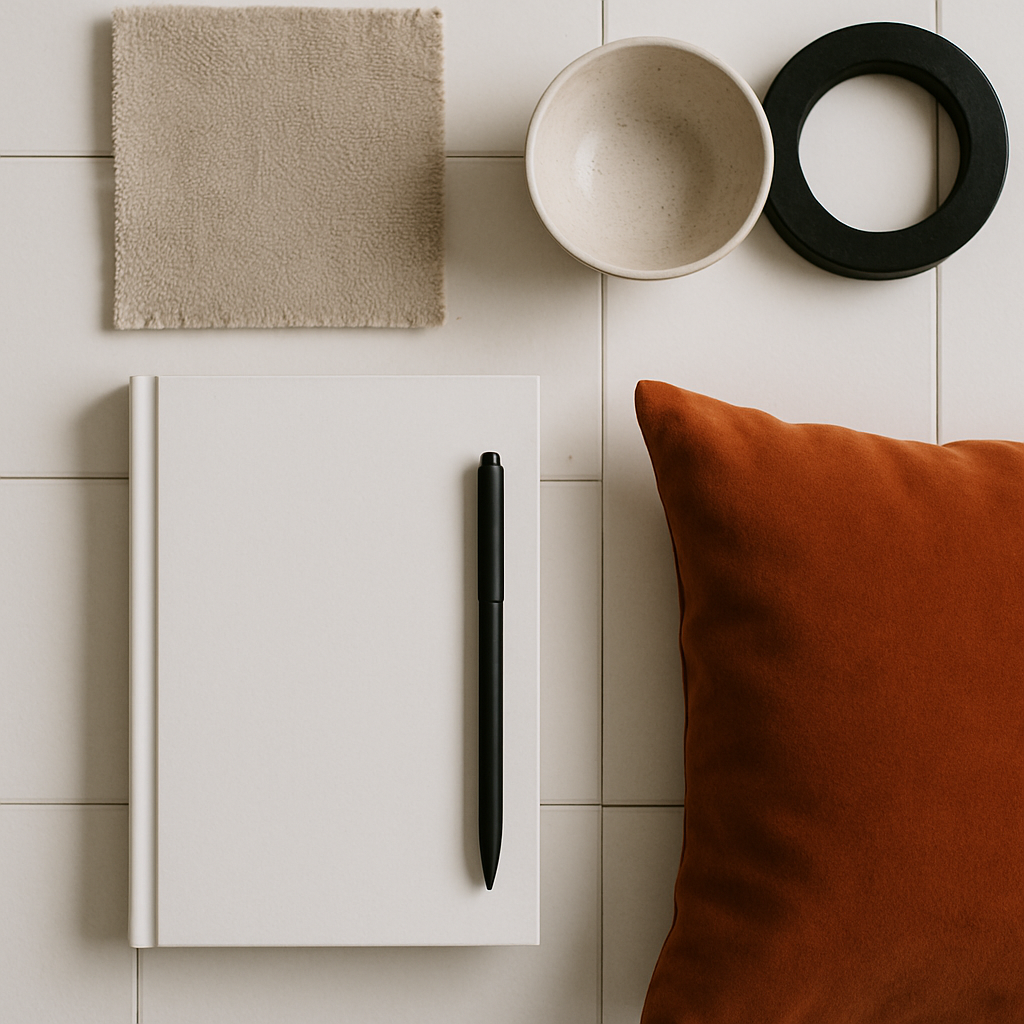
Have you ever walked into a room and felt instantly at ease, without quite knowing why? It might be more than just the color of the walls or the placement of the furniture. According to the American Society of Interior Designers (ASID), a well-designed room can enhance your mood and even increase your home's resale value by 5-15%. This article will delve into the top 10 interior design principles that can transform any space into a more functional and beautiful environment. From foundational concepts like balance and harmony to the latest trends in biophilic design and smart home technology, we'll explore each principle in depth. By the end, you'll have a clear roadmap to elevate your living spaces.
Understanding Balance and Harmony
Balance and harmony are the unsung heroes of great interior design. These foundational concepts ensure that all elements within a space work together cohesively. Balance refers to the distribution of visual weight within a room, which can be symmetrical, asymmetrical, or radial. Symmetrical balance creates a mirror image around a central axis, often seen in traditional design styles. Asymmetrical balance, on the other hand, uses different elements of similar visual weight to create a more dynamic look.
Harmony, meanwhile, involves the blending of design elements to establish a serene and aesthetically pleasing environment. This can be achieved through the consistent use of color, texture, and form. For example, a room decorated with natural materials such as wood and stone, paired with a consistent color palette, often feels more harmonious. The International Interior Design Association (IIDA) suggests that when all elements in a room are harmonious, it creates a sense of order and peace.
Without balance and harmony, a space can feel chaotic or incomplete. Have you ever found yourself feeling uneasy in a room without knowing why? It might be due to a lack of these foundational elements. Understanding and applying balance and harmony can transform a cluttered space into one that feels open and inviting, setting the stage for the other design principles to shine.
The Importance of Proportion and Scale
Proportion and scale are critical in creating visually appealing interiors. Proportion refers to the relationship between the size of objects within a space, while scale relates to the size of objects in relation to the room itself. Getting these elements right can make a space feel expansive and comfortable, rather than cramped or awkward. According to Houzz, a common mistake homeowners make is choosing furniture that's too large or too small for their rooms, disrupting the balance and flow.
To illustrate, imagine a small living room overwhelmed by an oversized sectional sofa. The disproportionate scale can make the room feel cramped and uninviting. Conversely, a well-proportioned room might feature a modest-sized sofa complemented by appropriately scaled side tables and lamps. This creates a harmonious flow that's both functional and aesthetically pleasing.
Designers often use the golden ratio-a ratio of approximately 1:1.618-to achieve ideal proportions in a space. This mathematical approach helps ensure that the room's elements relate harmoniously to each other and to the space as a whole. As you consider your own space, how might adjusting the scale of your furnishings enhance the overall design?
Actionable Strategies for Color and Texture
Color and texture are powerful tools in the interior designer's toolkit, capable of transforming the mood and feel of a room. The strategic use of color can evoke emotions, define spaces, and even influence perceptions of temperature. For instance, warm colors like red and orange can make a space feel cozy, while cool colors like blue and green promote calmness and relaxation.
Texture adds depth and interest, preventing a room from feeling flat and uninspired. Combining different textures, such as a soft velvet sofa with a coarse jute rug, can create a rich, layered look. Interior designers often advise using a variety of textures to add visual interest and tactile appeal. According to Architectural Digest's AD PRO network, texture is an essential component in creating a space that feels complete and inviting.
When selecting colors and textures, consider the overall mood you want to create in your space. Do you wish for a calming retreat, or a vibrant, energetic atmosphere? By thoughtfully combining colors and textures, you can craft spaces that not only look beautiful but also feel right. Which colors and textures resonate most with you, and how might they transform your space?
Expert-Level Detail: Lighting and Its Impact
Lighting is often the unsung hero of interior design, yet it plays a pivotal role in how a space is perceived. Proper lighting can enhance architectural features, create mood, and even affect productivity. Experienced professionals often note that layers of lighting-ambient, task, and accent-are crucial for a well-lit space. Ambient lighting provides overall illumination, task lighting focuses on specific areas for activities, and accent lighting highlights particular features or objects.
Smart home integration has revolutionized how lighting is used in interior design. Automated systems allow for the adjustment of lighting levels and colors to suit different times of day or activities. For example, dimming lights in the evening can create a relaxing atmosphere, while bright task lighting is perfect for kitchen prep work. The National Council for Interior Design Qualification (NCIDQ) emphasizes the importance of lighting in both residential and commercial spaces to optimize functionality and aesthetics.
Consider how lighting affects your daily life. Are there areas in your home that feel too dim or too harsh? By employing a mix of lighting types and integrating smart technology, you can enhance both the beauty and functionality of your spaces. The next time you plan a design update, think about how lighting can play a transformative role.
Additional Depth: The Role of Rhythm and Repetition
Rhythm and repetition are key principles that guide the flow and movement within a space. These design elements draw the eye around the room, creating a sense of unity and continuity. Rhythm can be achieved through the repetition of patterns, colors, textures, or architectural elements. This technique helps to establish a visual tempo, making spaces feel organized and cohesive.
For example, using a recurring color or pattern, such as a series of blue accent pillows or a repeated geometric shape, can create a sense of rhythm that ties a room together. The American Institute of Architects (AIA) often includes rhythm in their design guidelines, emphasizing its importance in creating spaces that feel both dynamic and harmonious.
Repetition can also be used to highlight specific features or create focal points within a room. Imagine a dining room where the repetition of sleek, modern chairs draws attention to the table as the central focus. How might implementing rhythm and repetition enhance the unity and flow of your spaces?
Final Perspectives on Form and Function
In the world of interior design, form and function must coexist harmoniously. While aesthetics are important, the functionality of a space cannot be overlooked. A beautifully designed room that doesn't meet the practical needs of its inhabitants ultimately falls short. This is why experienced designers prioritize functionality, ensuring that every element serves a purpose.
Consider the layout of your home. Does it support your daily routines and lifestyle? For instance, a kitchen designed with ample countertop space and smart storage solutions can significantly enhance cooking efficiency. Similarly, a living room arranged to facilitate conversation and relaxation can transform how you use the space.
Reflect on how your current spaces serve your needs. Are there areas that could be optimized for better functionality? By aligning form with function, you create not only beautiful but also livable spaces. This final principle ties together all others, ensuring that your design endeavors meet both visual and practical needs.
Conclusion: Transforming Spaces with Principles in Mind
As you embark on your interior design journey, remember that the principles of balance, proportion, color, texture, lighting, rhythm, and functionality are your allies. These tenets are not just abstract concepts but actionable guidelines that can transform your living spaces into reflections of your personal style and needs. By thoughtfully applying these principles, you can create environments that are both beautiful and functional.
Ready to begin your design transformation? Start by browsing portfolios on Houzz this week-spend even just 20 minutes to sharpen your eye for designs that speak to you. Dive into the world of interior design with confidence, armed with the knowledge of these essential principles.



Comments
Post a Comment