Top 10 Interior Architecture Trends Transforming Modern Homes in 2023
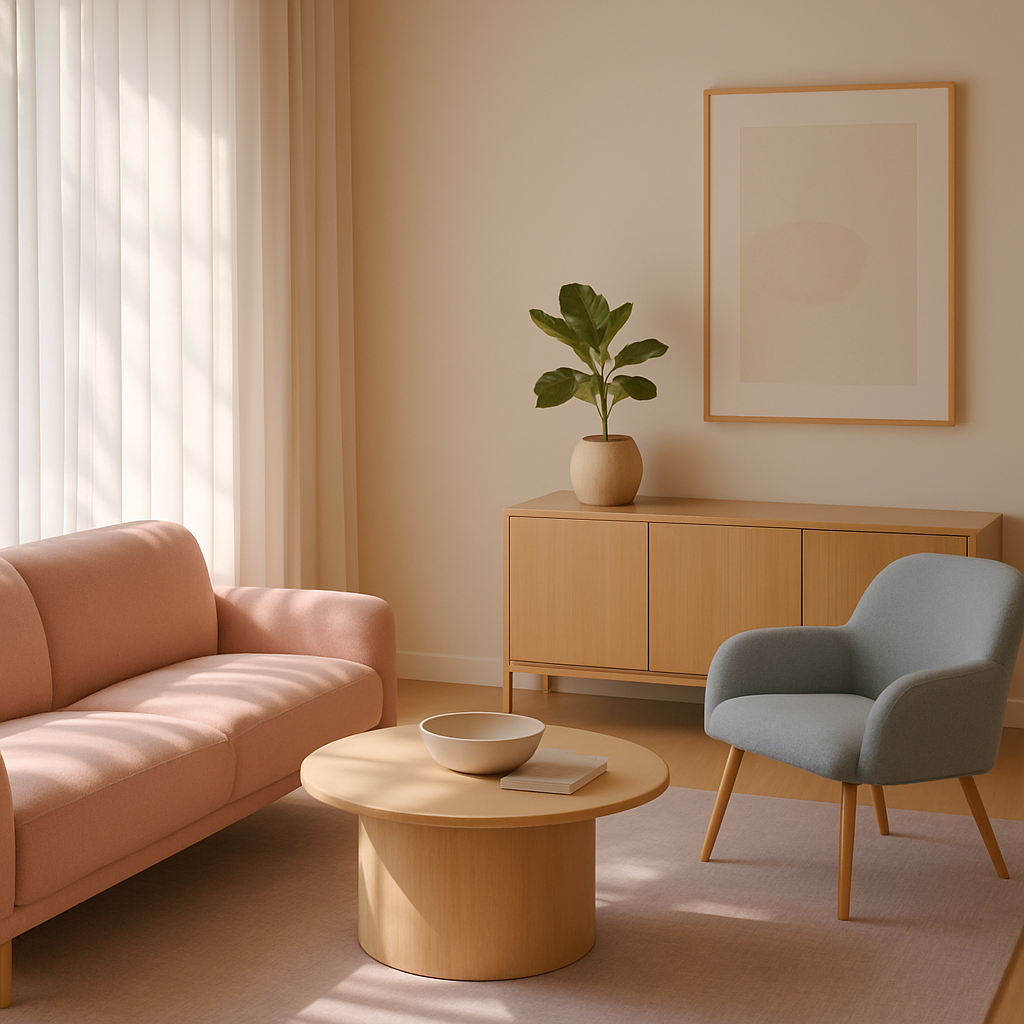
The world of interior architecture is undergoing a dynamic transformation as modern homes embrace new trends that blend aesthetics with functionality. Industry surveys suggest that homeowners are prioritizing designs that not only enhance the beauty of their spaces but also improve their living experiences. Are you considering a home renovation or redesign? Understanding these emerging trends can provide the inspiration and insight needed to create spaces that are both contemporary and timeless. This article will explore ten transformative trends, including biophilic design, quiet luxury, and smart home integration, offering a comprehensive guide to elevate your home's interior architecture.
Embracing Biophilic Design
Biophilic design, which focuses on incorporating natural elements into interiors, is gaining traction as homeowners seek to create soothing, nature-inspired environments. This design philosophy integrates natural materials, greenery, and natural light to enhance the connection between indoor spaces and the outdoors. According to the American Society of Interior Designers (ASID), incorporating elements like living walls and natural wood can significantly improve mental well-being and productivity. For example, a study found that offices with biophilic elements saw a 15% increase in perceived well-being.
The trend goes beyond aesthetics, offering functional benefits such as improved air quality and reduced stress levels. Experienced professionals often note the positive impact of natural materials like stone, wood, and water features in creating tranquil spaces. This approach is not limited to residential projects; commercial spaces are also embracing biophilic principles to enhance employee satisfaction and customer experience. Consider how integrating biophilic design elements could transform your home into a sanctuary that nurtures both body and mind.
One practical way to incorporate biophilic design is by strategically placing plants and maximizing natural light through large windows or skylights. Additionally, using materials like bamboo or reclaimed wood can add warmth and texture to your interiors. As we transition into the next trend, consider how these natural elements can seamlessly blend with other modern design aspects to create a cohesive and inviting space.
The Rise of Quiet Luxury
Quiet luxury is a trend characterized by understated elegance and the use of high-quality materials that speak for themselves. This approach focuses on creating spaces that are both luxurious and serene, without overt displays of opulence. According to a Houzz survey, homeowners are increasingly drawn to minimalist designs that emphasize quality over quantity, with subtle nods to luxury that are both refined and sophisticated.
Materials like marble, cashmere, and fine wool are often used to convey this sense of quiet luxury. These materials not only offer durability but also add a touch of understated sophistication to any space. By investing in fewer but higher-quality pieces, homeowners can create interiors that exude timeless elegance. For instance, a single statement piece like an Italian marble coffee table can transform a living room without overwhelming the space.
Quiet luxury also involves creating a harmonious color palette that complements the overall aesthetic. Neutral tones such as taupe, cream, and soft gray are popular choices that provide a calming backdrop for luxurious textures. As we delve deeper into the integration of technology in home design, consider how these sophisticated materials can enhance your smart home features.
Integrating Smart Home Technology
Smart home technology is an essential component of modern interior architecture, offering convenience and efficiency through automation. According to a report by the International Interior Design Association (IIDA), the integration of smart lighting, climate control, and automated window treatments is becoming increasingly common in new home designs. This technology not only enhances the functionality of a space but also contributes to energy efficiency and security.
One of the most popular smart home features is automated lighting, which allows homeowners to control the ambiance and energy usage of their spaces with ease. For example, smart bulbs can be programmed to change color and intensity based on the time of day, creating a customized lighting experience. Additionally, climate control systems can be managed remotely, ensuring optimal comfort while minimizing energy consumption.
As you explore the possibilities of smart home integration, consider how these technologies can be seamlessly incorporated into your existing design. Products like smart thermostats and voice-activated assistants can enhance your daily routines while adding a modern touch to your home. As we move forward, let's examine how sustainable practices are shaping the future of interior architecture.
Sustainability and Reclaimed Materials
Sustainability is at the forefront of interior architecture trends, with a growing emphasis on using eco-friendly and reclaimed materials. The National Council for Interior Design Qualification (NCIDQ) highlights how sustainable practices not only benefit the environment but also offer long-term cost savings for homeowners. By choosing materials that are both durable and eco-conscious, you can create a home that reflects your commitment to sustainability.
Reclaimed wood, recycled glass, and sustainable textiles are popular choices for those looking to reduce their environmental impact. These materials not only have a lower carbon footprint but also add character and authenticity to a space. For instance, using reclaimed wood for flooring or accent walls can introduce a rustic charm while supporting sustainable forestry practices.
Incorporating sustainable practices into your design doesn't have to be daunting. Simple changes like selecting energy-efficient appliances and fixtures can make a significant difference. As we transition to the next trend, consider how sustainability can be a guiding principle in your design decisions, influencing everything from material selection to energy consumption.
Japandi: The Fusion of Minimalism and Warmth
Japandi is a trend that combines the minimalist aesthetics of Japanese design with the warmth and coziness of Scandinavian style. This fusion creates spaces that are both functional and inviting, emphasizing simplicity and natural elements. Houzz notes that Japandi's popularity is rising as homeowners seek to create environments that are both serene and stylish.
Key elements of Japandi design include clean lines, neutral color palettes, and the use of natural materials such as wood and stone. These elements work together to create spaces that feel open and uncluttered while maintaining a sense of warmth and comfort. For example, a Japandi-inspired living room might feature a low-profile sofa, a wooden coffee table, and a few carefully selected decorative pieces.
Japandi's appeal lies in its ability to create harmony within a space, balancing form and function. As you consider incorporating Japandi elements into your home, think about how this style can complement other trends, such as biophilic design or smart home technology. As we explore the final trend, reflect on how these design principles can be adapted to suit your personal tastes and lifestyle.
Virtual Reality and Augmented Reality in Design
The use of Virtual Reality (VR) and Augmented Reality (AR) tools is revolutionizing the way interior designers present and execute projects. These technologies allow homeowners to visualize their spaces in 3D, providing a more immersive and interactive design experience. According to Architectural Digest's AD PRO network, VR and AR are becoming essential tools for designers seeking to offer clients a more personalized and informed design process.
With VR and AR, you can explore different design options and see how changes will look in real time before making any commitments. This technology is particularly useful for complex projects, allowing you to experiment with layouts, color schemes, and furniture arrangements from the comfort of your home. For example, using AR, you can virtually place a new sofa in your living room to see how it fits with your existing decor.
As these technologies become more accessible, they offer exciting opportunities to enhance your design process. Whether you're planning a major renovation or a simple room refresh, VR and AR can help you make more informed decisions, saving time and reducing the risk of costly mistakes. As we wrap up our exploration of these trends, consider how these digital tools can complement the other elements of your design strategy.
Conclusion: Transforming Your Home with Modern Trends
As we've explored, the top 10 interior architecture trends-ranging from biophilic design to the integration of VR and AR-are reshaping modern homes in profound ways. These trends offer more than just aesthetic appeal; they enhance functionality, sustainability, and the overall living experience. By understanding and adapting these trends, you can create a home that reflects both your personal style and the latest in design innovation.
Are you ready to transform your living space? Start by identifying which trends resonate most with your lifestyle and design preferences. Consider reaching out to certified interior designers with NCIDQ or ASID credentials to guide you in this journey. Begin by browsing portfolios on platforms like Houzz this week-even 20 minutes of research will sharpen your eye for what you want. With the right approach, you can turn your home into a modern masterpiece that stands the test of time.



Comments
Post a Comment