Top 10 High-Demand Interior Design Jobs You Should Know About in 2023
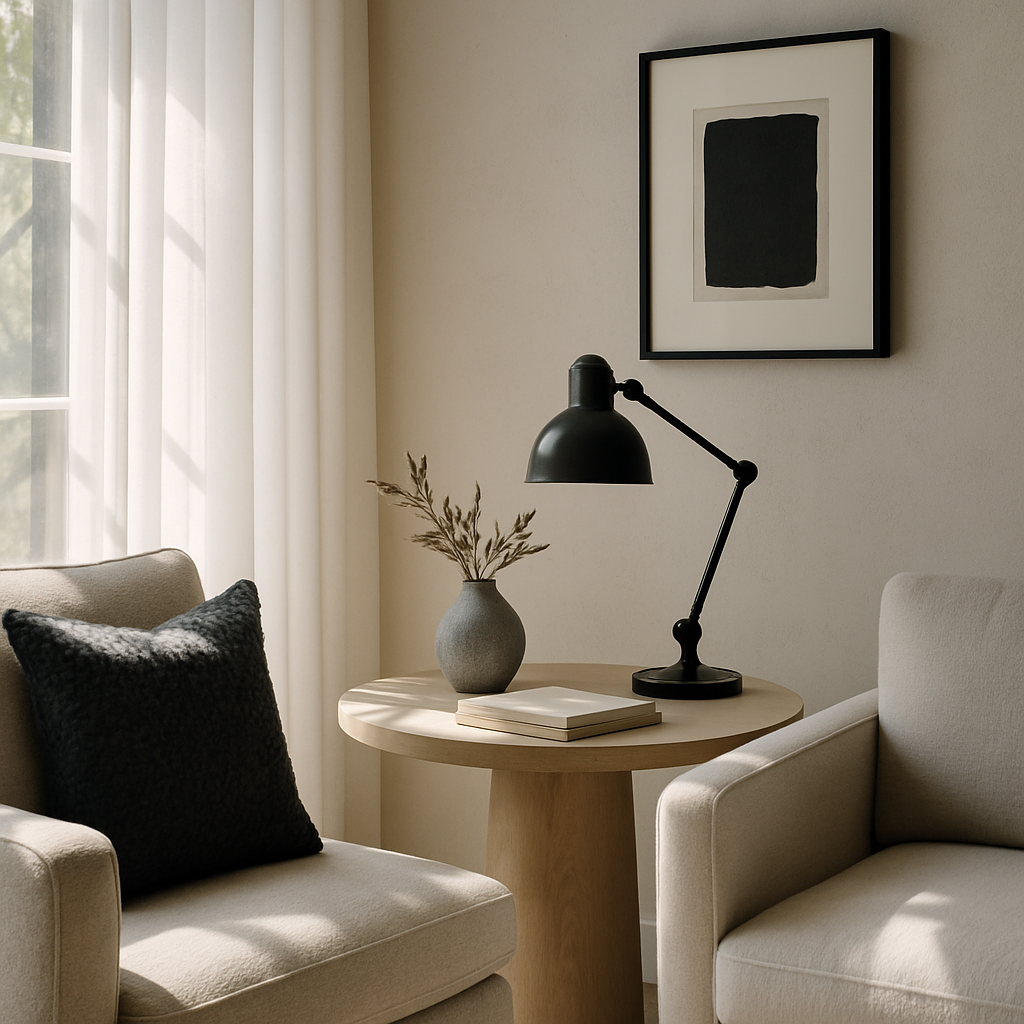
Are you aware that the interior design industry is projected to experience a significant growth spurt, with job opportunities expected to increase by 13% in the coming years? This statistic from the U.S. Bureau of Labor Statistics underscores a vibrant field teeming with possibilities. Whether you're an aspiring designer or a seasoned professional, understanding the evolving job landscape is crucial. This article delves into the top 10 high-demand interior design jobs you should know about, examining the skills required, industry trends, and actionable strategies to succeed. From residential and commercial design to specialized roles like sustainable design and smart home integration, each position offers unique challenges and rewards. Join us as we explore these exciting career paths and provide you with the insights needed to navigate them effectively.
Understanding the Interior Design Landscape
The world of interior design is vast, encompassing various specialties that cater to different client needs and project types. At the core, interior designers transform spaces to enhance functionality and aesthetics, working closely with clients to bring their visions to life. A foundational understanding of design principles, space planning, and materials is essential for any interior design role. However, the best designers go beyond the basics, integrating advanced technology and sustainability into their projects.
Residential interior design remains a staple in the industry, with a focus on creating personalized, comfortable living spaces. Designers in this area often manage entire home projects, from concept to completion, ensuring that the space reflects the homeowner's lifestyle and preferences. On the other hand, commercial interior design involves designing spaces for businesses, such as offices, restaurants, and retail stores, where functionality and brand identity are crucial.
In addition to these traditional paths, emerging trends like biophilic design and quiet luxury are gaining traction. Biophilic design emphasizes the use of natural materials and connections to the outdoors, while quiet luxury focuses on understated elegance and high-quality materials. These trends reflect a broader industry shift towards sustainability and wellness, shaping the types of jobs in demand today. As we move into the next section, we'll explore these high-demand roles in more detail.
The Rise of Specialized Interior Design Roles
Within the expansive field of interior design, specialized roles are becoming increasingly prominent. According to the American Society of Interior Designers (ASID), more clients are seeking experts who can provide niche services tailored to specific needs. One such role is that of a sustainable interior designer, who focuses on eco-friendly practices and materials. These professionals are adept at creating spaces that minimize environmental impact while maximizing energy efficiency. The demand for sustainable design has surged as more individuals and companies prioritize green building practices.
Another high-demand role is that of a smart home designer. With the integration of technology into daily life, designers specializing in smart home solutions are essential. These professionals design systems that automate lighting, climate control, and security, providing convenience and enhancing the homeowner's experience. Moreover, as technology evolves, the need for designers who can seamlessly incorporate these advancements into homes and businesses continues to grow.
In addition to these roles, the field of healthcare design is expanding. Designers in this niche create environments that promote health and well-being in hospitals, clinics, and wellness centers. Their work focuses on ergonomics, accessibility, and the psychological effects of space on patients and staff. As healthcare facilities strive to improve patient outcomes and satisfaction, the demand for skilled designers in this area is likely to increase. Next, we'll delve into strategies for building a successful career in these specialized fields.
Strategies for Success in High-Demand Design Jobs
Breaking into high-demand interior design jobs requires a strategic approach, starting with education and credentials. For those aiming to stand out, obtaining the NCIDQ (National Council for Interior Design Qualification) certification is a must. This credential is recognized as the gold standard in the industry, demonstrating a designer's proficiency and commitment to professional standards. Additionally, joining professional organizations like the IIDA (International Interior Design Association) can provide valuable networking opportunities and resources.
Beyond formal qualifications, building a strong portfolio is crucial. Aspiring designers should showcase a range of projects that highlight their versatility and innovative thinking. Online platforms like Houzz and Instagram are excellent for displaying work and attracting potential clients. Experienced professionals often note that a well-curated portfolio can open doors to new opportunities and collaborations.
Moreover, staying abreast of industry trends and technological advancements is vital. Designers should continuously seek out professional development opportunities, such as workshops and seminars, to enhance their skills. By doing so, they can offer cutting-edge solutions that meet the evolving needs of clients. As we move forward, we'll explore how expertise in specific design trends can further enhance career prospects.
Leveraging Design Trends for Career Advancement
Understanding and leveraging current design trends can significantly impact a designer's career trajectory. For example, the Japandi style, a fusion of Japanese minimalism and Scandinavian warmth, is currently popular among homeowners seeking simplicity and comfort. Designers who master this aesthetic can cater to clients looking for serene, functional spaces that reflect this trend.
Smart home integration is another trend that's reshaping the industry. Designers who can seamlessly incorporate smart technology into their projects are highly sought after. This includes designing intuitive systems for lighting, climate control, and security that enhance the user experience. As more homeowners and businesses embrace smart technology, the demand for skilled designers in this area is expected to rise.
Biophilic design, which integrates natural elements into interior spaces, is also gaining momentum. This approach not only enhances aesthetics but also supports well-being by fostering a connection to nature. Designers specializing in biophilic elements, such as living walls and natural light optimization, can provide clients with spaces that promote health and tranquility. As we proceed, we'll discuss how to gain expertise in these trending areas and why it matters.
Developing Expertise in Trending Design Areas
To establish a niche expertise in trending design areas, designers should immerse themselves in continuous learning and practice. Attending workshops and enrolling in specialized courses can provide the necessary skills to excel in areas like Japandi or smart home integration. Furthermore, collaborating with other professionals in these fields can offer fresh perspectives and insights.
Designers might consider gaining hands-on experience through internships or by volunteering for projects that align with their interests. For instance, working on a project that incorporates sustainable materials or smart technology can provide invaluable practical knowledge. This experience not only builds expertise but also enhances a designer's portfolio, showcasing their ability to tackle contemporary design challenges.
Networking within professional circles, such as local AIA (American Institute of Architects) chapters, can also be beneficial. These networks often provide opportunities to learn about emerging trends and technologies firsthand. By engaging with peers and industry leaders, designers can stay informed and inspired, positioning themselves as experts in their chosen niches. In the next section, we'll wrap up with final insights and considerations for those pursuing a career in interior design.
Final Perspectives on Interior Design Careers
As the interior design industry continues to evolve, staying adaptable and proactive is key to a successful career. Designers who embrace change and continuously seek out learning opportunities are better equipped to meet the demands of the market. This adaptability allows them to navigate various client needs and project types with confidence.
It's also important for designers to understand the business side of their profession. This includes knowledge of project management, budgeting, and client relations. By honing these skills, designers can ensure seamless project execution and client satisfaction, which are critical to building a strong reputation and client base.
Ultimately, the path to success in interior design is paved with curiosity, dedication, and a willingness to explore new ideas. As we conclude, consider how you might integrate these insights into your own career journey. What steps will you take to position yourself at the forefront of this dynamic industry?
Conclusion: Charting Your Path in Interior Design
Understanding the top high-demand interior design jobs offers a roadmap to a rewarding career. By focusing on specialized roles like sustainable design, smart home integration, and healthcare design, you can carve out a niche that aligns with industry trends and personal interests. Remember the importance of obtaining credentials, building a diverse portfolio, and continuously seeking out professional development opportunities.
Ready to take the next step in your interior design career? Start by browsing portfolios on Houzz or connecting with professionals through platforms like LinkedIn. Even dedicating 20 minutes a day to research and networking can significantly sharpen your skills and open new doors. How will you leverage your passion and expertise to thrive in the ever-evolving world of interior design?



Comments
Post a Comment