Top 10 Gothic Interior Design Elements to Transform Your Space
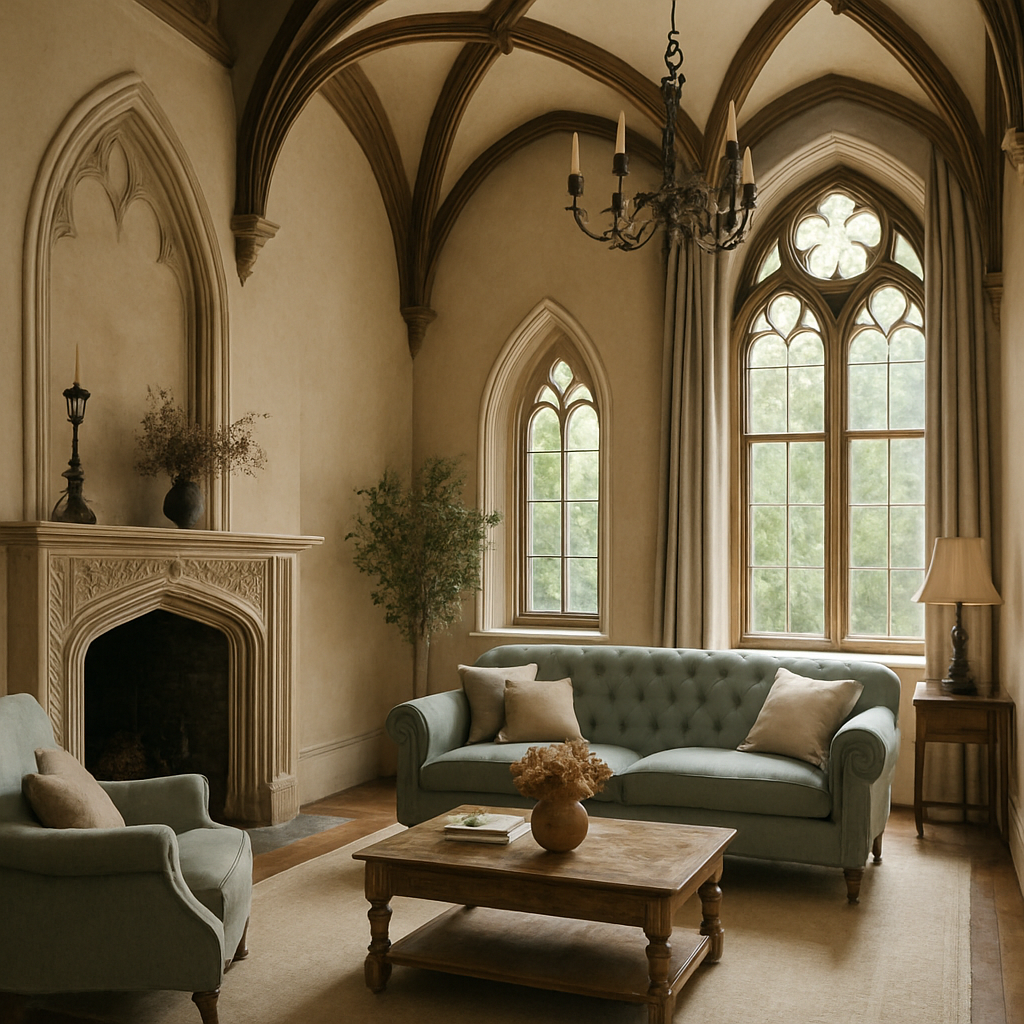
Imagine stepping into a room where every corner whispers tales from centuries past, and every detail is steeped in opulence. Gothic interior design offers exactly this kind of transformative experience. According to the American Society of Interior Designers (ASID), embracing historical styles can increase a home's value by 5-15%, making Gothic design not just an aesthetic choice but a financial strategy. This article will guide you through the top ten elements of Gothic interior design that can elevate your space into a realm of timeless elegance and mystery. From the intricate details of wrought iron accents to the grandeur of cathedral ceilings, each element is designed to captivate and inspire.
Understanding Gothic Design: The Foundations
Before diving into specific elements, it's crucial to understand the foundational concepts of Gothic design. Originating in the 12th century during the height of the medieval era, Gothic architecture and interior design are characterized by grandeur, drama, and intricate details. This style was initially used in cathedrals and churches, where the aim was to create awe-inspiring spaces that evoked a sense of divine connection. Today, these principles can be adapted to modern interiors, maintaining their historical essence while ensuring contemporary relevance.
Key features of Gothic design include pointed arches, ribbed vaults, and flying buttresses, which can be subtly integrated into home interiors through architectural details and furniture choices. The use of these elements can transform a mundane space into one of grandeur and sophistication. Additionally, Gothic design often incorporates dark, rich color palettes, such as deep reds, purples, and blacks, which add a layer of mystery and depth to any room.
A critical aspect of Gothic design is its emphasis on verticality. High ceilings and tall windows are typical, creating an illusion of space and light. This verticality not only enhances the aesthetic appeal but also serves a practical purpose by drawing the eye upwards, making rooms feel more expansive. As you consider incorporating Gothic elements into your space, think about how these foundational concepts can guide your design choices.
The Role of Color and Texture in Gothic Interiors
Color and texture play pivotal roles in Gothic interior design, setting the mood and tone of a space. Dark, moody colors such as deep burgundy, emerald green, and midnight blue are staples of this style. These hues can be used on walls, fabrics, and accessories to create a rich, enveloping atmosphere that feels both luxurious and inviting. According to a Houzz survey, homeowners who incorporate bold color schemes into their interiors often report higher satisfaction levels with their spaces.
Texture is equally important in Gothic design, with an emphasis on materials like velvet, brocade, and leather. These fabrics not only add visual interest but also create a tactile experience that encourages touch and interaction. For instance, a plush velvet sofa in a deep, saturated color can serve as a focal point in a living room, providing both comfort and style. Pairing these textures with intricate patterns, such as damask or floral motifs, can further enhance the Gothic aesthetic.
Incorporating natural materials, such as stone and wood, is another way to add texture and authenticity to a Gothic-inspired interior. Exposed wooden beams, stone fireplaces, and wrought iron details can all contribute to the overall look, offering a sense of history and permanence. As you plan your design, consider how the interplay of color and texture can create a cohesive and captivating Gothic space.
Actionable Strategies for Incorporating Gothic Elements
If you're considering integrating Gothic elements into your home, there are several strategies you can employ to achieve a balanced and harmonious look. Start by focusing on key areas that will have the most impact, such as the entryway or living room. These spaces set the tone for the rest of your home and can benefit from dramatic Gothic touches like arched doorways or stained glass windows.
Lighting is another crucial aspect of Gothic design. Opt for statement fixtures like wrought iron chandeliers or candelabras that provide ambient lighting while adding to the overall aesthetic. Experienced professionals often note that lighting can make or break a design, so choose pieces that complement your other Gothic elements. Additionally, consider using multiple light sources, such as wall sconces and table lamps, to create a warm and inviting atmosphere.
Furniture selection is also key when incorporating Gothic design into your space. Look for pieces with ornate details, such as carved wood or tufted upholstery, that echo the intricate patterns found in traditional Gothic architecture. Don't be afraid to mix and match styles; combining modern elements with Gothic touches can create a unique and personalized look that reflects your individual taste. As you begin your Gothic design journey, think about how these actionable strategies can help you achieve the desired effect.
Expert Insights on Gothic Design Integration
When it comes to integrating Gothic design elements, expert insights can provide valuable guidance. According to the International Interior Design Association (IIDA), understanding the historical context of Gothic design can enhance your ability to create authentic and meaningful spaces. This means researching the origins and evolution of the style, as well as familiarizing yourself with key architectural features and motifs.
Experts also emphasize the importance of scale and proportion in Gothic design. Given the style's emphasis on verticality and grandeur, it's essential to ensure that your design elements are appropriately scaled to your space. For example, a large, ornate mirror with a Gothic frame can make a bold statement in a grand foyer, while a smaller, intricately detailed mirror may be better suited for a more intimate setting.
Finally, experienced designers often recommend incorporating personal touches that reflect your unique personality and style. Whether it's a collection of vintage books displayed on a Gothic-style bookshelf or a carefully curated gallery wall featuring art that resonates with you, these personal elements can add a layer of depth and interest to your design. By leveraging these expert insights, you can create a Gothic-inspired space that is both beautiful and functional.
Additional Depth: Material Choices in Gothic Design
Material choices are a defining aspect of Gothic interior design, contributing to the overall ambiance and authenticity of a space. Stone is a prominent material in Gothic design, often used for flooring, fireplaces, and architectural details. Its natural beauty and durability make it an ideal choice for creating a sense of timelessness and permanence. Additionally, stone can be paired with other materials, such as wood and metal, to create a balanced and harmonious look.
Wood is another key material in Gothic design, known for its warmth and versatility. Dark, rich woods like mahogany, oak, and walnut are commonly used for furniture and cabinetry, offering a sense of luxury and sophistication. These woods can be intricately carved to reflect traditional Gothic motifs, adding visual interest and depth to your space. When selecting wood elements, consider how the grain and finish will complement other materials in your design.
Metals, particularly wrought iron, are also integral to Gothic design. Known for their strength and durability, metals can be used in various applications, from lighting fixtures to furniture accents. Wrought iron, with its intricate patterns and dark finish, can add a touch of elegance and drama to any space. As you explore material options, think about how these choices can enhance the Gothic aesthetic and create a cohesive and visually stunning interior.
Final Perspectives on Gothic Interior Design
As you consider incorporating Gothic interior design elements into your home, it's important to remember that balance is key. While the style is known for its dramatic and opulent features, it's essential to create a space that feels inviting and comfortable. This can be achieved by combining Gothic elements with other design styles, such as modern or minimalist, to create a look that is both timeless and contemporary.
Another important consideration is functionality. While Gothic design is often associated with grandeur and formality, it's possible to adapt its elements to suit everyday living. For example, a Gothic-inspired dining room can still be practical and functional, with carefully selected furniture and accessories that enhance the space without overwhelming it. Consider how you can integrate Gothic design elements in a way that complements your lifestyle and meets your needs.
Ultimately, the goal of incorporating Gothic interior design elements is to create a space that reflects your personal style and vision. By carefully selecting and integrating key elements, you can transform your home into a stunning and sophisticated haven that captures the essence of this timeless design style.
Conclusion: Embrace the Gothic Transformation
Incorporating Gothic interior design elements into your home can be a rewarding and transformative process. By understanding the foundational concepts, exploring color and texture, and leveraging expert insights, you can create a space that is both captivating and functional. As you embark on this design journey, consider how each element can contribute to the overall aesthetic and experience of your home.
Ready to start your transformation? Begin by researching Gothic design inspirations on platforms like Houzz and Pinterest. Spend some time exploring different styles and elements, and consider how they can be adapted to your space. Once you have a clear vision, reach out to a professional designer, especially one certified by the NCIDQ, to bring your ideas to life. Start by browsing portfolios this week - even 20 minutes of research will sharpen your eye for what you want. Embrace the Gothic transformation and create a home that truly reflects your unique style.


Comments
Post a Comment