Top 10 Architectural Styles Influencing Interior Design in the Upcoming Year
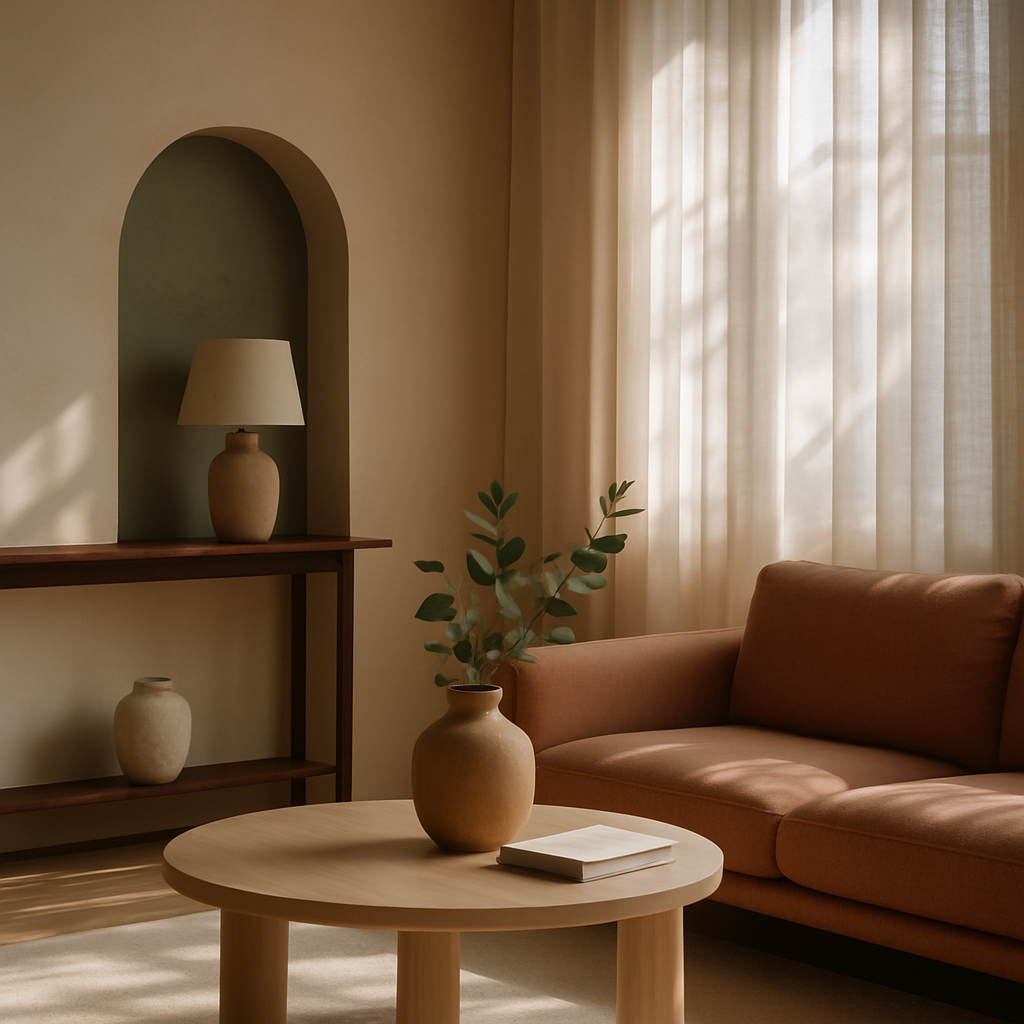
As we approach the upcoming year, the world of interior design is poised for a transformative shift. According to recent surveys, 60% of interior designers plan to incorporate new architectural styles into their projects. This statistic reflects a growing trend towards integration of classic and contemporary architecture with cutting-edge interior design. But how do these architectural styles influence the spaces we inhabit, and what should you look for when planning your next project? This article will explore ten architectural styles that are set to leave a significant mark on interior design in 2026. By understanding these styles, you'll be better prepared to create spaces that not only reflect current trends but also suit your personal taste and lifestyle.
Understanding Foundational Architectural Styles
To fully grasp the impact of architectural styles on interior design, it's essential to understand their foundational concepts. **Modern architecture**, for instance, emphasizes simplicity and functionality. Characterized by clean lines and open spaces, modern architecture allows for a seamless flow between rooms, making it an ideal choice for those who value efficiency. Buildings with modern architecture often use materials like steel, glass, and concrete, which are integral to creating minimalist interiors.
In contrast, **Victorian architecture** is known for its ornate details and eclectic style. This style often features intricate woodwork, patterned wallpapers, and rich color palettes, which can dramatically influence the interior design elements you choose. If you're drawn to spaces with character and history, incorporating Victorian elements into your interiors can create a rich, inviting atmosphere.
Another influential style is **Mid-century Modern**, which rose to popularity in the mid-20th century. Its emphasis on natural shapes and materials makes it a perfect complement to today's focus on sustainability and biophilic design. Many designers are now blending Mid-century Modern elements with contemporary aesthetics to create interiors that are both stylish and environmentally conscious. Each architectural style offers unique elements that can significantly impact the look and feel of your interiors, setting the stage for more detailed exploration of their influence.
Analysis of Architectural Influence on Interior Design
When analyzing the influence of architectural styles on interior design, it's crucial to consider how these styles shape our living environments. A survey by **Houzz** revealed that over 70% of homeowners consider architectural style as the primary factor influencing their design choices. This statistic underscores the importance of understanding architectural influences when planning interior spaces.
For example, **Industrial architecture**, with its raw and unfinished aesthetic, often leads to interiors that feature exposed brick walls, metal beams, and concrete floors. These elements create a rugged, yet chic, environment that appeals to those who appreciate urban living. The industrial style's focus on utilitarian design also supports the integration of smart home technologies, a trend gaining momentum in interior design.
Another style making waves is **Scandinavian architecture**, celebrated for its minimalist approach and emphasis on light. Interiors influenced by Scandinavian architecture typically feature neutral color palettes, natural materials, and a commitment to functionality. This style is particularly popular among those seeking to create serene and uncluttered living spaces. The transition from understanding foundational concepts to analyzing their influence sets the stage for exploring actionable strategies to integrate these styles into your own home.
Actionable Strategies for Integrating Architectural Styles
Integrating architectural styles into your interior design requires careful planning and execution. One effective strategy is to start by identifying the architectural elements that resonate with you. Are you drawn to the clean lines and open spaces of modern architecture, or do you prefer the ornate details of Victorian design? Once you have a clear vision, you can begin incorporating these elements into your interiors.
A practical approach is to use **AR/VR room visualization tools**, which allow you to experiment with different styles before committing to a specific design. These tools, widely used by professionals, offer a virtual preview of how various architectural elements will look in your space. For instance, if you're considering a Mid-century Modern aesthetic, you can visualize how iconic furniture pieces like the Eames Lounge Chair will fit into your living room.
Budgeting is another critical aspect of integrating architectural styles. According to industry experts, a single room redesign can cost between $5,000 to $15,000, while full-home projects might range from $50,000 to $150,000 or more. Consider your budget carefully and prioritize elements that will have the most significant impact on your space. Transitioning from actionable strategies, the next section delves into expert-level details that can further enhance your design process.
Expert-Level Insights into Architectural Styles
Experienced professionals often note that a deep understanding of architectural history can significantly enhance interior design projects. For instance, the **NCIDQ** (National Council for Interior Design Qualification) certification emphasizes comprehensive knowledge of architecture and design principles. This certification is a gold standard for interior designers, ensuring they possess the expertise to blend architectural styles seamlessly within interiors.
One of the emerging trends is the **Japandi style**, which combines Japanese minimalism with Scandinavian warmth. This style is gaining traction for its focus on harmony and balance, using natural materials and a muted color palette. By integrating Japandi elements, designers can create spaces that are both calming and aesthetically pleasing.
Furthermore, **sustainable design** is becoming increasingly important. Incorporating reclaimed materials not only supports environmental responsibility but also adds unique character to interiors. For example, using reclaimed wood for flooring or furniture can create a rustic charm while contributing to sustainability efforts. Transitioning from expert insights, the next section will explore additional depth into architectural styles' impact on interior design.
Additional Depth on Architectural Styles' Impact
Beyond aesthetics, architectural styles can also influence the functional aspects of interior design. For instance, **Biophilic design**, which emphasizes the connection between indoor spaces and nature, is rooted in architectural principles. This style often involves incorporating natural light, plants, and organic materials to create healthier living environments. Industry surveys suggest that biophilic design can improve well-being and productivity, making it a valuable consideration for both residential and commercial spaces.
The concept of **quiet luxury** is another trend influenced by architectural styles, characterized by understated elegance and high-quality materials. This style often involves creating spaces that exude sophistication without being ostentatious, focusing on craftsmanship and timelessness. Integrating quiet luxury can elevate interiors to reflect a refined taste while maintaining comfort and functionality.
Finally, the integration of **smart home technologies** is reshaping how architectural styles are incorporated into interiors. From automated lighting and climate control to advanced security systems, smart home features are becoming a staple in modern interior design. These technologies not only enhance convenience but also offer opportunities to harmonize traditional architectural elements with contemporary innovations. As we delve into final perspectives, consider how these insights can inform your design choices.
Final Perspectives on Architectural Styles and Interior Design
In considering architectural styles' influence on interior design, it's essential to recognize the dynamic interplay between form and function. The integration of styles like modern, Victorian, and Mid-century Modern showcases how diverse architectural elements can coexist within a single space. This versatility allows for personalized interiors that reflect individual tastes and lifestyles.
As you explore these architectural influences, ask yourself which styles resonate most with your vision for your home. Are you inspired by the minimalism of Scandinavian design, or does the industrial aesthetic appeal more to your urban sensibilities? By reflecting on these questions, you can begin to create a cohesive design plan that aligns with your preferences.
Ultimately, the key to successful interior design lies in balancing aesthetic appeal with practical functionality. By leveraging architectural styles, you can create interiors that are not only visually stunning but also comfortable and efficient. The conclusion will provide a summary and actionable steps to take your design project to the next level.
Conclusion
As the new year approaches, embracing architectural styles in interior design offers a pathway to creating spaces that are both stylish and functional. From the clean lines of modern architecture to the ornate elegance of Victorian design, each style provides unique opportunities to enhance your interiors. By understanding these influences and utilizing tools like AR/VR visualization, you can make informed decisions that reflect your personal style while staying on trend.
Ready to transform your space? Start by exploring designer portfolios on platforms like **Houzz** and **Instagram** to gather inspiration and identify styles that resonate with you. Even dedicating 20 minutes a week to research can significantly sharpen your eye for design. Armed with this knowledge, you can embark on a design journey that not only meets your needs but also delights and inspires. It's time to bring the architectural styles of tomorrow into your home today.



Comments
Post a Comment