Top 10 Architectural Digest Features Every Home Decor Enthusiast Should Know
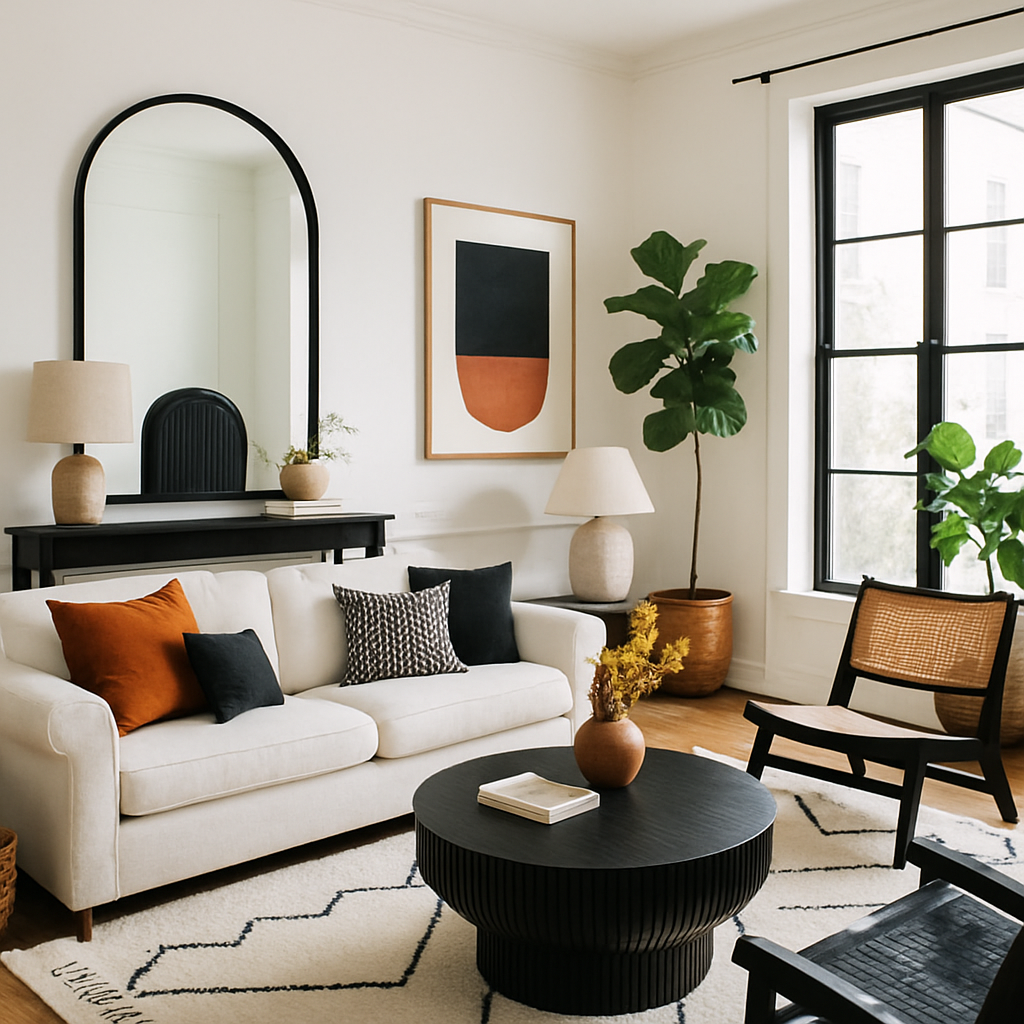
The world of interior design is ever-evolving, with new trends and timeless classics vying for attention. Did you know that well-designed interiors can increase your home's resale value by 5-15%? This statistic, often cited by the American Society of Interior Designers (ASID), highlights the tangible benefits of investing in your home's aesthetic. For those passionate about home decor, understanding the pivotal features highlighted by Architectural Digest can transform your living space into a masterpiece. This article will delve into foundational concepts, provide deeper analysis with data, and offer actionable strategies and expert-level details. Whether you're a seasoned decorator or just starting, these insights will guide your design journey.
Foundational Concepts: The Cornerstone of Design
At the heart of every stunning interior highlighted by Architectural Digest are foundational design principles. These principles are not just abstract ideas; they form the backbone of any successful decor project. Balance, contrast, and harmony are essential in creating spaces that are visually appealing and functional. For instance, balance ensures that a room feels evenly weighted, which can be achieved by arranging furniture and decor elements symmetrically or asymmetrically. The contrast enhances visual interest by juxtaposing different shapes, colors, and textures, while harmony ties everything together, ensuring that all elements work cohesively.
Experienced professionals often note that understanding these foundational concepts is crucial for any home decor enthusiast. For example, the use of natural light can dramatically alter a room's ambiance, a point emphasized by numerous Architectural Digest features. By strategically placing mirrors or choosing light-reflecting colors, you can amplify the natural light in a room, making it feel larger and more inviting. This approach also aligns with the rising trend of biophilic design, which emphasizes the integration of natural elements into indoor spaces.
Another cornerstone principle is the appropriate use of scale and proportion. These elements ensure that furnishings and decor items fit well within a space, neither overwhelming nor underwhelming it. This can be as simple as choosing the right size of a rug or as complex as custom furniture design. Understanding these basics sets the stage for exploring deeper design aspects featured in Architectural Digest.
Deeper Analysis: Data-Driven Design Decisions
In the realm of interior design, data-driven decisions can significantly enhance the effectiveness of a decor project. According to Houzz's annual survey, homeowners who incorporate data into their design process report higher satisfaction levels with their completed projects. This insight underscores the importance of leveraging data to make informed choices about layout, color palettes, and material selection.
Architectural Digest often features projects that exemplify the power of data in design. For instance, many designers utilize AR/VR room visualization tools to provide clients with a virtual sense of their potential space. This technology allows for real-time adjustments to design elements before any physical changes are made, reducing costly mistakes and ensuring client satisfaction. It's a technique that savvy decorators should consider adopting in their own projects.
Moreover, budget considerations play a critical role in data-driven decision-making. The International Interior Design Association (IIDA) suggests that understanding the financial implications of design choices can prevent overspending while achieving the desired aesthetic. For example, knowing the cost differences between sustainable materials and traditional options can guide a more eco-friendly approach without breaking the bank. This balance of cost and design integrity is a recurring theme in Architectural Digest features.
Actionable Strategies: Bringing Features to Life
To bring the features highlighted by Architectural Digest to life, home decor enthusiasts need actionable strategies. One effective approach is to start with a clear concept development phase. This involves defining the style and function of each room, ensuring that design choices align with the overall vision. Experienced designers recommend creating mood boards using platforms like Pinterest or Houzz to visualize ideas and gather inspiration.
Once the concept is established, the design presentation phase involves selecting specific elements such as furniture, lighting, and color schemes. During this stage, it's crucial to consider the role of smart home integration, a trend increasingly featured in Architectural Digest. Incorporating smart lighting and climate controls not only enhances convenience but also aligns with the modern aesthetic of many contemporary designs.
Finally, the procurement and installation phases are where the design truly comes to life. This process involves sourcing materials and coordinating installations, often requiring collaboration with skilled tradespeople. Utilizing professional networks such as the NCIDQ (National Council for Interior Design Qualification) can ensure access to certified experts who uphold industry standards. With these strategies, home decor enthusiasts can confidently execute their design visions.
Expert-Level Detail: Diving Deeper into Design
For those looking to delve even deeper into the intricacies of interior design, Architectural Digest offers a wealth of expert-level detail. Key to this is understanding the importance of texture and layering in achieving a sophisticated look. By mixing different textures, such as wood, metal, and textiles, you can add depth and interest to a space, a technique often highlighted in high-end design features.
Quiet luxury, characterized by understated elegance, is another trend gaining traction. This design philosophy focuses on high-quality materials and craftsmanship, rather than overt opulence. Architectural Digest frequently showcases homes that embody this trend, emphasizing subtle details that speak to luxury without shouting it. For instance, consider investing in bespoke furniture pieces or artisanal decor items that offer a unique touch.
Another area of expert focus is the use of sustainable and reclaimed materials. As environmental consciousness becomes increasingly important, many designers featured in Architectural Digest choose materials that are both beautiful and eco-friendly. This includes using reclaimed wood for flooring or opting for natural stone countertops. By prioritizing sustainability, you not only contribute to environmental preservation but also enjoy the timeless appeal of natural materials.
Additional Depth: Beyond the Basics
Beyond the foundational and expert-level elements, Architectural Digest features a range of additional details that enhance home design. One such element is the strategic use of color to evoke mood and personality within a space. Designers often use color theory to select hues that complement each other and align with the intended atmosphere of a room. For example, cool blues and greens can create a calming environment, while warm reds and oranges may energize a space.
Another consideration is the incorporation of art and personal collections. Architectural Digest often highlights homes where art serves as a focal point, adding character and storytelling to the decor. When curating art, consider the scale, style, and placement to ensure it enhances rather than overwhelms the design. Displaying collections thoughtfully can also be an excellent way to personalize your space.
Finally, the role of lighting in design cannot be overstated. Proper lighting not only illuminates a space but also highlights architectural features and sets the overall tone. Layered lighting, combining ambient, task, and accent light sources, is a technique frequently featured in Architectural Digest. This approach allows for flexibility and control, enabling you to adjust lighting based on mood and function.
Final Perspectives: Bringing It All Together
As we wrap up this exploration of Architectural Digest features, it's important to recognize the balance between personal style and professional insight. The most successful interiors often result from a harmonious blend of individual taste and adherence to design principles. By integrating these elements, you can create spaces that are not only visually stunning but also deeply personal.
Consider how these insights can transform your own home. Are there areas where you might incorporate more natural elements or adjust your color palette for greater harmony? Reflect on how you can use what you've learned to enhance your living environment, making it both functional and aesthetically pleasing.
Ultimately, the world of interior design offers endless possibilities for creativity and expression. By staying informed and inspired through resources like Architectural Digest, you can continually refine your decor skills and elevate your home's design.
Conclusion: Your Next Steps in Home Design
In conclusion, the top 10 features from Architectural Digest provide a comprehensive roadmap for any home decor enthusiast seeking to elevate their design game. From foundational concepts to expert-level details, these insights offer a wealth of knowledge to guide your decorating journey. Remember, the key to successful interior design lies in the careful balance of style and substance.
So, what will your next step be? Start by browsing portfolios on platforms like Houzz and Pinterest this week. Even 20 minutes of research can sharpen your eye for what you want. As you explore, keep in mind the principles and trends we've discussed, and don't hesitate to experiment with new ideas in your own home. The world of interior design is at your fingertips, waiting for you to make your mark.


Comments
Post a Comment