The Ultimate Interior Design Handbook: Transform Your Space with Expert Tips
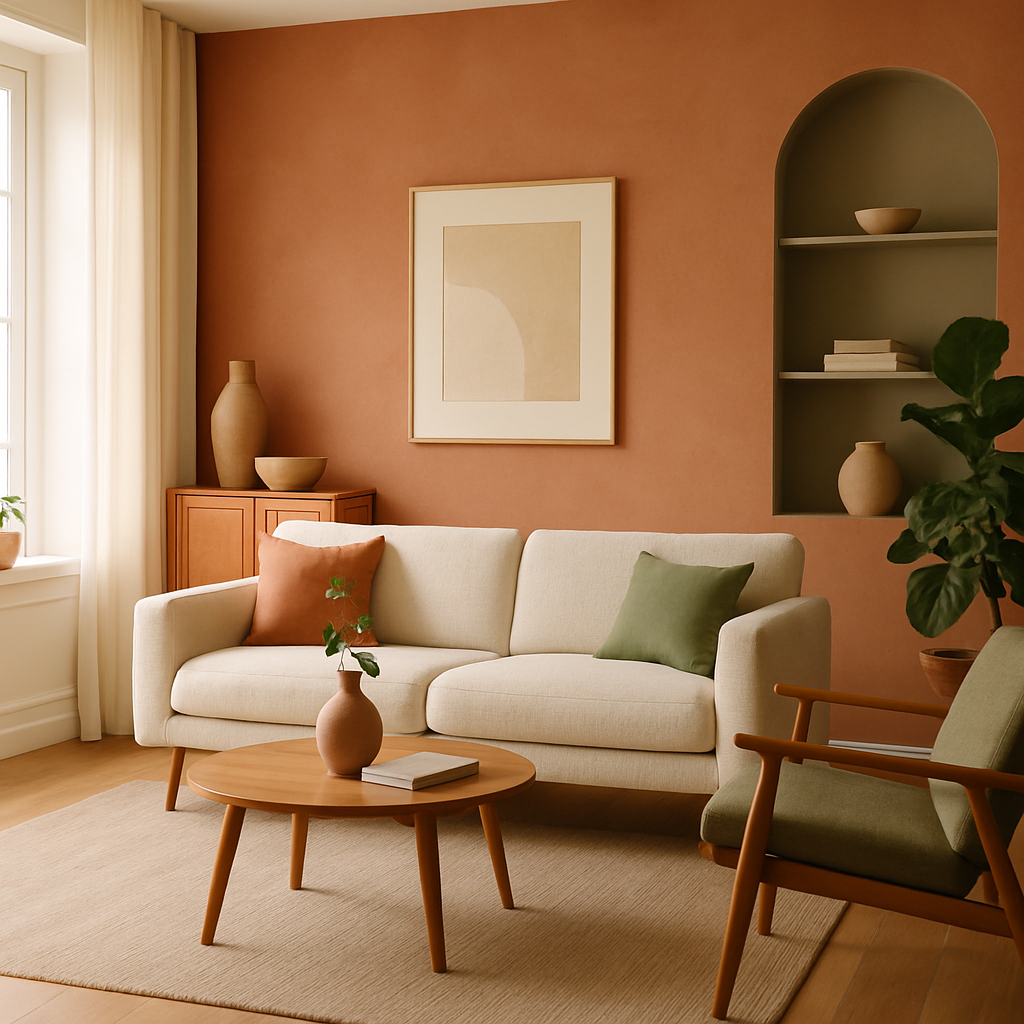
Imagine walking into a living room that feels like a serene retreat, with every element in perfect harmony. Whether you're looking to revamp a single room or overhaul your entire home, understanding the basics of interior design is the key to achieving that transformation. According to the American Society of Interior Designers (ASID), well-designed interiors can increase a home's resale value by 5-15%. In this comprehensive guide, we'll explore foundational concepts, delve into data-driven insights, and offer actionable strategies to help you create a space that truly reflects your personality and lifestyle.
Understanding the Foundational Concepts of Interior Design
Interior design is more than just selecting furniture and paint colors. It involves a deep understanding of how space, light, color, and materials interact to create an environment that is both functional and aesthetically pleasing. Experienced professionals often note that the starting point of any design project is understanding how you use each room. Do you need a space that accommodates family gatherings or one that serves as a quiet retreat? Mapping out the purpose of each area is essential.
Once you have a clear purpose, the next step is to consider the elements of design, such as line, form, color, and texture. Lines can create a sense of movement or stability, while forms define the shape and structure of a space. Color has a profound impact on mood and perception, with warm tones fostering a sense of coziness and cool tones promoting relaxation. Texture adds depth and interest, creating a layered look that's visually appealing.
Another key aspect is the balance between functionality and aesthetics. While a space should be visually appealing, it must also be practical. For example, a family room should have durable, easy-to-clean fabrics if it's frequently used by children and pets. The goal is to create an environment that enhances your life on a daily basis. Understanding these foundational concepts is crucial before diving into the more complex aspects of design.
Delving Deeper with Data-Driven Insights
Interior design is not just an art; it's also informed by data. According to the latest Houzz annual survey, homeowners spent an average of $15,000 on renovations over the past year, with a growing emphasis on sustainable materials and smart home technology. This shift highlights the importance of making informed decisions about where to allocate your budget.
For instance, incorporating smart home features like automated lighting and climate control can enhance both convenience and energy efficiency. Did you know that smart lighting systems can reduce energy consumption by up to 20%? Similarly, choosing sustainable materials not only benefits the environment but also improves indoor air quality, which is a growing concern among health-conscious homeowners.
Furthermore, industry surveys suggest that biophilic design, which emphasizes natural materials and a connection to the outdoors, is gaining popularity. This trend is rooted in the understanding that nature-inspired spaces can reduce stress and increase productivity. By leveraging data-driven insights, you can make strategic choices that align with both current trends and your individual needs.
Implementing Actionable Strategies for Your Space
Now that you understand the foundational concepts and data insights, it's time to put these ideas into action. One effective strategy is to start with a focal point for each room. A focal point draws the eye and anchors the space, such as a fireplace in a living room or a dramatic headboard in a bedroom. Once established, you can design the rest of the room around this central feature.
Another strategy is to use the rule of thirds, a principle borrowed from photography that suggests dividing a space into thirds to create balance and harmony. For example, you might arrange furniture in a way that divides a room into three distinct areas: a seating zone, a reading nook, and a play area. This approach can make a room feel more organized and cohesive.
Finally, don't underestimate the power of lighting. Proper lighting can transform the mood of a room and highlight key design elements. Consider layering lighting with a mix of ambient, task, and accent lighting to achieve a versatile and inviting atmosphere. By applying these strategies, you can create spaces that are both functional and visually attractive.
Exploring Expert-Level Details in Interior Design
To elevate your design skills, it's essential to explore expert-level details that can make a significant difference. One such detail is the use of color psychology. According to the International Interior Design Association (IIDA), color has a direct impact on emotions and behavior. For instance, blue is often associated with calmness and serenity, making it ideal for bedrooms and bathrooms, whereas yellow's energetic vibe is perfect for kitchens and home offices.
Another expert detail is the selection of materials. The choice between natural and synthetic materials can affect not only the look but also the feel of a room. Natural materials like wood and stone add warmth and texture, while synthetic options like acrylic and vinyl offer durability and ease of maintenance. Combining these materials can create a balanced and sophisticated design.
Moreover, understanding the principles of space planning is crucial. Certified interior designers, such as those with NCIDQ (National Council for Interior Design Qualification) credentials, are trained to optimize space for both flow and functionality. This includes considering traffic patterns, furniture placement, and accessibility. By paying attention to these expert-level details, you can achieve a polished and professional look.
Adding Depth with Additional Insights
Beyond the basics, there are several additional insights that can add depth to your design process. One such insight is the importance of personal style. While it's essential to stay informed about current trends, your home should ultimately reflect your unique tastes and preferences. This might mean incorporating vintage pieces or family heirlooms that hold sentimental value.
Additionally, experienced professionals often recommend creating a "mood board" at the start of a project. This visual tool helps you curate your ideas and visualize how different elements will come together. Platforms like Pinterest and Instagram offer endless inspiration, allowing you to explore various styles and color palettes before committing to a final design.
Finally, consider the impact of sound in your design. Acoustic treatments, such as rugs, curtains, and upholstered furniture, can significantly improve the ambiance of a space by reducing noise and echo. This is particularly important in open-concept layouts where sound can easily travel. By incorporating these additional insights, you can create a more harmonious and personalized environment.
Final Perspectives on Your Design Journey
As you embark on your interior design journey, remember that the process is as much about discovery as it is about creation. Each decision, from the color of the walls to the placement of furniture, contributes to the overall feel of your home. Are you ready to transform your space into a reflection of your true self? By embracing both foundational principles and expert-level insights, you can craft a living environment that is uniquely yours.
Keep in mind that design is an evolving process. As your life changes, so too might your design preferences. Don't be afraid to experiment and make adjustments over time. Your home is a canvas that evolves with you, so let your creativity flourish and adapt as needed. This flexibility is what makes interior design a rewarding and personal experience.
Conclusion: Start Transforming Your Space Today
In summary, transforming your space with expert interior design tips involves understanding foundational concepts, making informed decisions with data-driven insights, and implementing actionable strategies. By exploring expert details and adding personal depth, you can create a home that is both beautiful and functional. Are you inspired to start your design journey?
Begin by browsing designer portfolios on Houzz or following trends on Instagram to gather ideas and refine your vision. Even dedicating just 20 minutes a day to research can sharpen your eye for what you truly want. Take the first step today, and watch as your space transforms into a reflection of your style and personality.



Comments
Post a Comment