The Ultimate Guide to Using Mood Boards in Interior Design Projects
Have you ever walked into a room and felt immediately at ease, as if every element was meticulously orchestrated to harmonize perfectly? This magic often begins with a simple yet powerful tool: the mood board. Mood boards are an essential aspect of interior design projects, guiding creativity and decision-making. This guide will explore the fundamentals of mood boards, delve into their strategic applications, and offer expert insights into maximizing their potential in your design process. Whether you're a seasoned professional or a design enthusiast, understanding how to effectively use mood boards can elevate your projects to new heights.
Understanding Mood Boards: The Foundation of Design
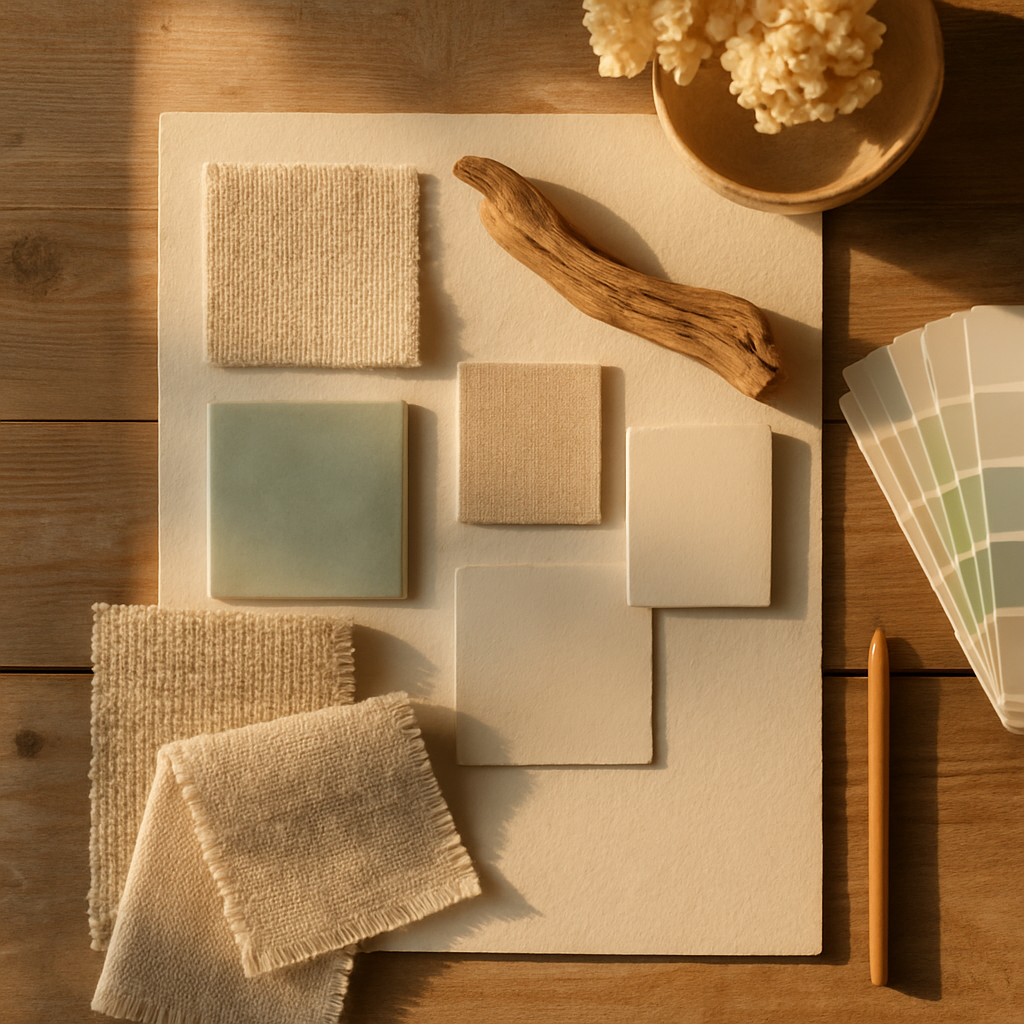
At its core, a mood board is a visual representation of ideas and concepts that sets the tone for a design project. Comprised of images, textures, colors, and materials, it serves as a tangible reference point that captures the essence of the intended design. Mood boards allow designers to communicate their vision clearly and cohesively to clients, ensuring that all parties share the same aesthetic goals. This foundational tool is not just about aesthetics; it's about creating an emotional connection with the space.
According to the American Society of Interior Designers (ASID), mood boards help bridge the gap between abstract ideas and concrete plans. By visually organizing thoughts, designers can navigate the complex world of interior aesthetics with greater clarity. This approach is particularly valuable when working with clients who may struggle to articulate their preferences or envision the final outcome. Have you ever struggled to communicate your style to a designer? Mood boards can streamline this dialogue, making it more effective and engaging.
Moreover, mood boards are instrumental in the early stages of concept development. Designers use them to experiment with various styles and themes, such as the popular Japandi trend, which blends Japanese minimalism with Scandinavian warmth. By assembling a collection of relevant visuals, designers can quickly assess which elements resonate most strongly with their overall concept. This initial exploration is crucial for setting a solid foundation for all subsequent design phases.
The Strategic Application of Mood Boards in Projects
Once the foundational elements of a mood board are established, it becomes a strategic tool that influences every phase of the design process. According to Houzz, a leading platform for home renovation and design, 73% of homeowners who used mood boards reported higher satisfaction with their project outcomes. This highlights the board's role in aligning expectations and ensuring a cohesive design vision throughout a project.
For example, during the design presentation phase, mood boards offer a visual narrative that guides discussions and decisions. Clients can see how different elements, such as color palettes and textures, work together before any physical changes are made. This not only mitigates the risk of costly alterations but also empowers clients to make informed choices. Have you ever been overwhelmed by the sheer volume of design options? Mood boards can simplify these decisions by providing a curated selection of possibilities.
Furthermore, mood boards are invaluable during the procurement phase. They inform purchasing decisions by clearly identifying the styles and products that fit the envisioned design. Experienced professionals often note that a well-prepared mood board reduces the likelihood of impulse buys that deviate from the project's objectives. By serving as a constant reference, mood boards maintain design integrity and ensure budget adherence.
Creating Impactful Mood Boards: Actionable Strategies
Crafting an impactful mood board requires a strategic approach. Begin by gathering inspiration from a variety of sources, such as Pinterest and Instagram, which are treasure troves of design ideas and trends. When curating your board, focus on selecting images and materials that evoke the desired mood and align with the project's goals. This careful selection process is key to creating a board that truly resonates with both the designer and client.
Next, organize your selections thoughtfully. Group similar elements together to highlight patterns and thematic connections. For instance, if your project embraces biophilic design, include images of natural materials, plant elements, and spaces that emphasize an indoor-outdoor flow. This thematic consistency will help you maintain a clear direction as your project progresses. Have you considered how grouping elements can clarify your design vision?
Finally, use digital tools to elevate your mood board. Platforms like Adobe Spark and Canva are excellent for creating polished, professional boards that are easy to share with clients. These tools offer a range of templates and editing options, allowing you to experiment with different layouts and styles. Incorporating digital elements also facilitates feedback and collaboration, making it easier to refine the design based on client input.
Expert Insights: Elevating Your Mood Board Game
To truly maximize the potential of mood boards, consider incorporating advanced techniques and insights from industry experts. The International Interior Design Association (IIDA) suggests using AR/VR room visualization tools alongside mood boards to provide clients with an immersive preview of their space. This technology offers a dynamic way to experience the design in context, enhancing both understanding and excitement.
Additionally, mood boards can be used to test the viability of cutting-edge trends, such as quiet luxury and smart home integration. By experimenting with these elements in a low-risk environment, designers can assess their compatibility with the project's overarching vision. This strategic experimentation can lead to innovative solutions that push boundaries and delight clients.
Experienced designers also recommend revisiting mood boards throughout the project timeline. As the design evolves, new inspirations may emerge, and adjustments may be necessary. Keeping the mood board updated ensures it remains a relevant and useful tool, reflecting the latest developments and insights. How often do you reassess your design vision as a project progresses?
The Financial Perspective: Mood Boards and Cost Management
While the aesthetic benefits of mood boards are undeniable, they also offer significant financial advantages. By ensuring alignment between the client's vision and the design execution, mood boards help avoid costly mistakes and rework. According to industry surveys, well-executed interior designs can yield a 5-15% higher resale value, a testament to their impact on both immediate satisfaction and long-term investment.
When considering the cost of a design project, mood boards provide clarity on budget allocation. By clearly defining the style and materials at the outset, clients can make informed decisions about where to allocate funds, whether it's on high-impact furniture pieces or cutting-edge technology. This clarity is particularly useful when navigating the complexities of procurement and installation phases.
Moreover, mood boards can act as a negotiation tool with vendors and contractors. When suppliers understand the specific aesthetic and quality goals of a project, they can offer more targeted recommendations and potential cost savings. This strategic communication fosters collaboration and can lead to more favorable outcomes for all parties involved.
Final Thoughts: The Transformative Power of Mood Boards
Mood boards are more than just a collection of pretty pictures; they are a vital component of successful interior design projects. By synthesizing inspiration, guiding decisions, and facilitating collaboration, they transform abstract ideas into tangible realities. Whether you're embarking on a small room refresh or a full-home renovation, mood boards provide the clarity and structure necessary to achieve your design goals.
As you integrate mood boards into your design workflow, remember to remain flexible and open to new inspirations. The dynamic nature of design means that adjustments will be part of the journey. By keeping your mood board updated, you ensure it remains a relevant and powerful tool throughout the project lifecycle.
So, where will you start? Consider taking the first step by exploring design portfolios on Houzz or Pinterest. Even a short session of browsing can ignite your creativity and refine your design eye for future projects.
Conclusion
Incorporating mood boards into your interior design projects can be a game-changer, transforming how you conceptualize and execute your vision. By providing a clear, cohesive visual narrative, mood boards enhance communication, streamline decision-making, and align expectations. They are an indispensable tool for both novice and experienced designers alike.
Ready to elevate your design projects? Start by creating your own mood board today. Explore platforms like Canva or Adobe Spark, and immerse yourself in the process of visual storytelling. Begin by collecting images that resonate with your vision, and watch as your project comes to life in new and exciting ways.


Comments
Post a Comment