The Ultimate Guide to Sustainable Office Interior Design for Modern Workspaces
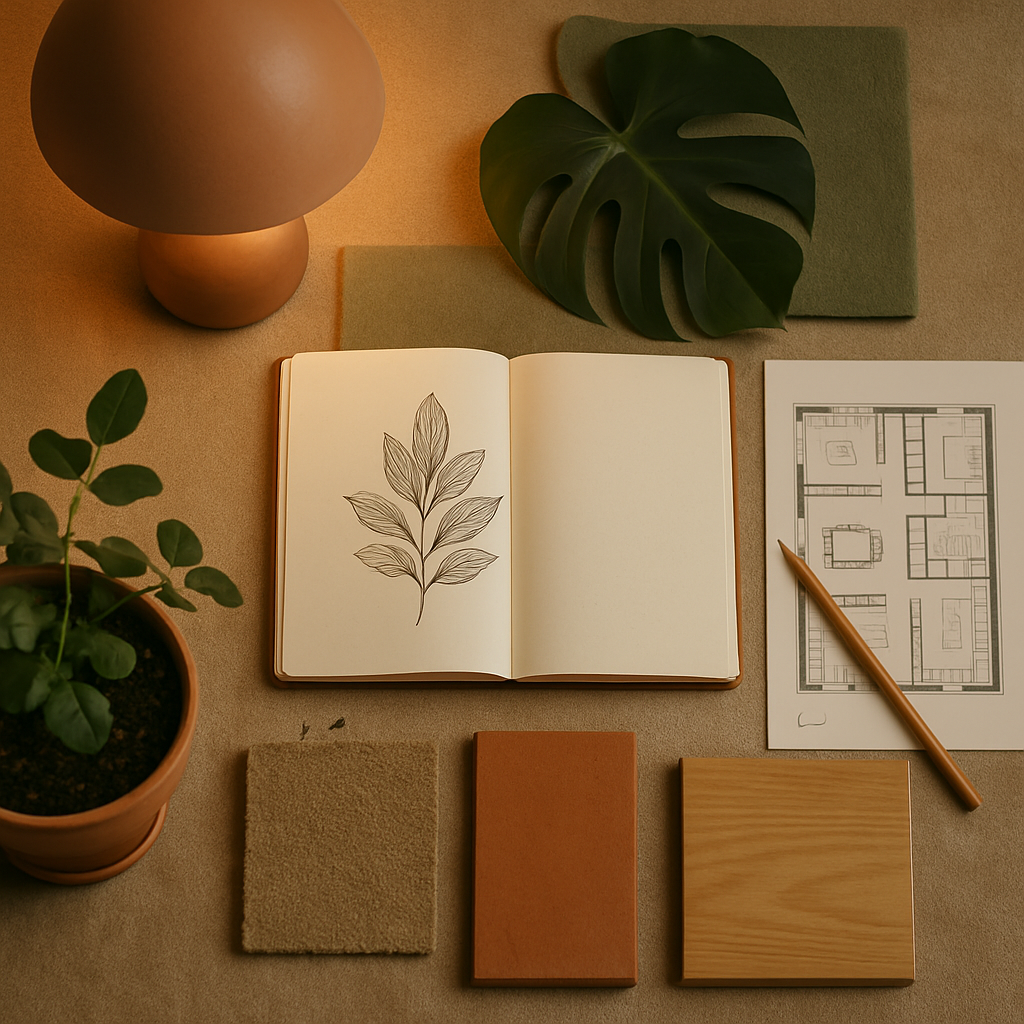
Have you ever walked into an office and immediately felt the harmony between its design and the natural world? As more companies embrace sustainability, the demand for sustainable office interior design in modern workspaces is rising. Not only do these designs reduce environmental impact, but they also enhance employee well-being and productivity. This guide will explore foundational concepts, delve into data-driven analysis, provide actionable strategies, and offer expert-level insights to help you create a sustainable office environment. Whether you're redesigning a single room or an entire office, this guide is your roadmap to a more sustainable future.
Understanding Sustainable Office Design
Sustainable office interior design focuses on creating environments that are environmentally responsible and resource-efficient throughout a building's life cycle. This approach integrates various eco-friendly practices, from selecting sustainable materials to optimizing energy efficiency. According to the International Interior Design Association (IIDA), sustainable design can significantly reduce a workspace's carbon footprint, which is crucial as businesses strive to meet sustainability goals.
One of the core principles of sustainable design is minimizing waste. This can be achieved through materials like reclaimed wood or recycled metal, which significantly lower environmental impact compared to new materials. Furthermore, incorporating elements like natural light and ventilation can enhance office aesthetics while also reducing reliance on artificial lighting and air conditioning, thereby conserving energy. Have you considered how much energy your office could save by optimizing natural light?
Another vital aspect is ensuring that the design supports the health and well-being of employees. This includes using non-toxic materials and improving indoor air quality, which can lead to increased productivity and reduced absenteeism. The American Society of Interior Designers (ASID) highlights that well-designed interiors can contribute to a 5-15% increase in productivity, demonstrating the tangible benefits of prioritizing sustainable design.
The Impact of Sustainability: A Data-Driven Approach
Industry surveys suggest that sustainable design is not just a trend but a necessity. According to a recent report by the U.S. Green Building Council, sustainable buildings can reduce energy use by up to 30% and water use by up to 50%. These statistics underscore the significant impact that sustainable design can have on resource conservation and cost savings. Can your office afford to overlook such potential savings?
Additionally, sustainable office design can improve employee satisfaction and retention. A study by the World Green Building Council found that employees in green-certified buildings reported a 27% increase in job satisfaction compared to those in conventional buildings. This is attributed to factors such as better air quality, natural lighting, and increased thermal comfort, which are integral to sustainable design.
The financial benefits are also compelling. Sustainable offices often see reduced operational costs due to lower energy and water usage. Moreover, companies with green certifications often experience higher property values and rental rates, making sustainable design a smart long-term investment. As the demand for sustainability continues to grow, businesses that adopt these practices early will likely gain a competitive edge.
Actionable Strategies for Implementing Sustainable Design
To begin implementing sustainable office interior design, start with an assessment of your current space. Identify areas where energy consumption can be reduced, such as lighting, heating, and cooling systems. Upgrading to LED lighting and installing programmable thermostats are simple yet effective changes. Additionally, consider investing in smart home integration systems to automate and optimize energy use.
Next, focus on material selection. Opt for materials that are sustainably sourced, such as bamboo or cork flooring, which are renewable and have a lower environmental impact. Reclaimed materials are also excellent choices for furniture and decor. Experienced professionals often note that using local materials not only supports the local economy but also reduces the carbon footprint associated with transportation.
Finally, incorporate biophilic design elements, which emphasize the connection between nature and the built environment. This can include adding indoor plants, creating living walls, or using natural textures and colors. The presence of nature in the workspace has been shown to reduce stress and enhance creativity. How could you incorporate more natural elements into your current office design?
Expert Insights on Achieving Sustainable Office Design
Professionals with the National Council for Interior Design Qualification (NCIDQ) credential often emphasize the importance of a holistic approach to sustainable design. This means considering the entire lifecycle of products and materials, from production to disposal. By choosing products with certifications like GREENGUARD or FSC (Forest Stewardship Council), you ensure they meet stringent environmental and health standards.
Moreover, experienced designers suggest integrating flexible workspaces that can adapt to different needs and uses. This not only maximizes the utility of the office space but also reduces the need for frequent renovations, which can be resource-intensive. Flexible spaces can include movable walls, modular furniture, and multipurpose areas.
Another critical component is ensuring that all stakeholders are involved in the design process. This includes not only the design team but also the employees who will use the space. Gathering input through surveys or workshops can provide valuable insights into employee needs and preferences, which can be incorporated into the design to ensure it is both functional and sustainable.
Additional Considerations for Sustainable Office Design
While the initial cost of sustainable design can be higher, the long-term savings and benefits often outweigh these costs. For instance, energy-efficient systems may have a higher upfront cost but lead to significant savings on utility bills over time. Additionally, sustainable design can enhance a company's brand image, portraying it as forward-thinking and socially responsible.
There are also regulatory incentives to consider. Many governments offer tax breaks or grants for businesses that implement sustainable practices. These incentives can offset some of the initial costs associated with sustainable design. By researching local regulations and available incentives, businesses can make informed decisions that align with their financial and environmental goals.
As sustainability becomes increasingly important, staying informed about the latest trends and technologies is crucial. Platforms like Houzz and Architectural Digest's AD PRO network provide valuable resources and inspiration for sustainable design. By keeping abreast of new developments, businesses can ensure their office design remains both cutting-edge and environmentally friendly.
Final Thoughts on Sustainable Office Design
Sustainable office interior design is more than just a trend; it's an essential aspect of modern workspace planning. By focusing on energy efficiency, material selection, and employee well-being, businesses can create environments that are both functional and environmentally responsible. Implementing sustainable design requires careful planning and consideration, but the benefits are well worth the effort.
As you embark on the journey of sustainable design, remember that every decision, from lighting to furniture, contributes to the overall impact. Engaging with certified interior designers and leveraging professional networks can provide the guidance needed to make informed choices. How will you begin transforming your office into a sustainable workplace?
Conclusion
In summary, sustainable office interior design is a critical component of creating modern workspaces that support both environmental goals and employee satisfaction. By understanding the foundational concepts, analyzing the impact of sustainability, and implementing actionable strategies, businesses can lead the way in sustainable design. If you're ready to start your sustainability journey, begin by assessing your current space and exploring options on platforms like Houzz or consulting with NCIDQ-certified designers. Start by browsing portfolios on Houzz this week - even 20 minutes of research will sharpen your eye for what you want.



Comments
Post a Comment