The Ultimate Guide to Sustainable House Interior Design for Eco-Conscious Homeowners
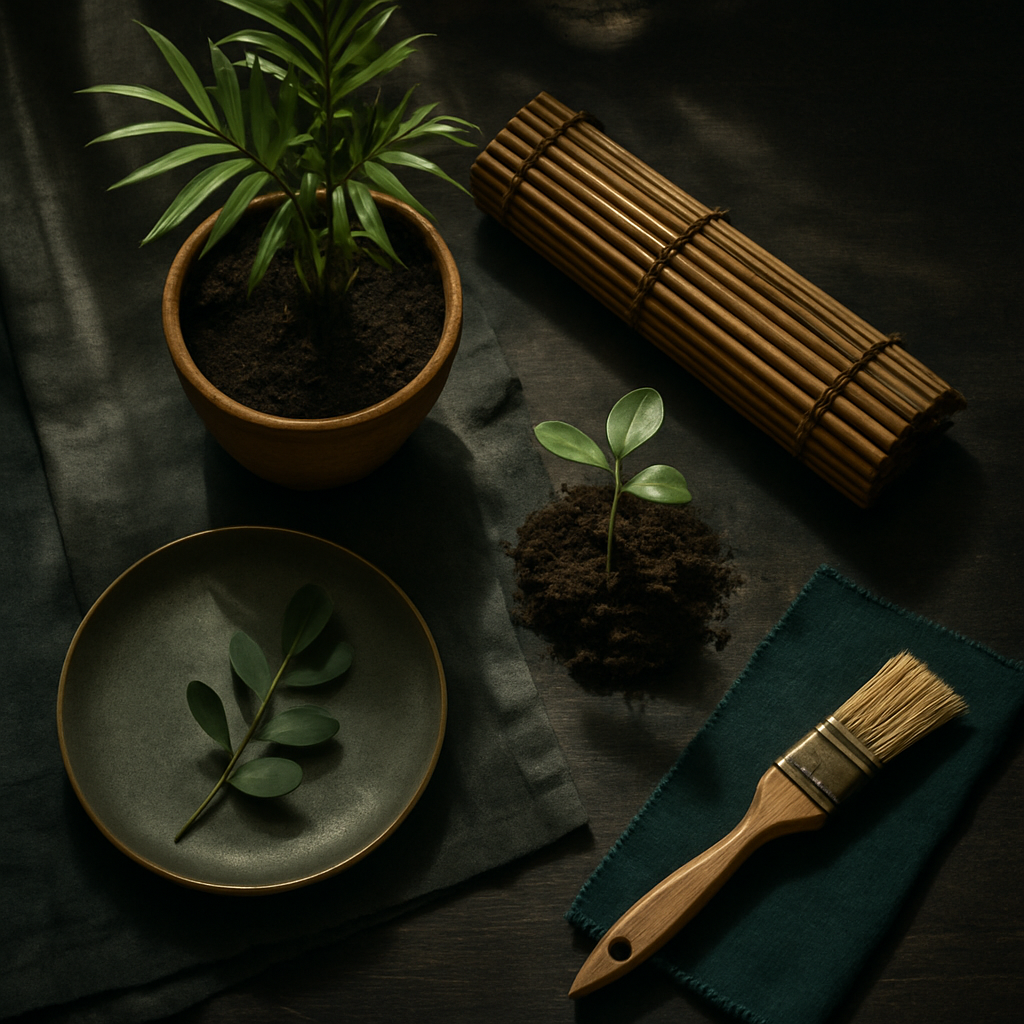
Imagine walking into your home, where every piece of furniture tells a story of sustainability. According to Houzz's annual survey, 70% of homeowners are now prioritizing eco-friendly materials in their renovations. This shift towards greener living is not just a trend; it's a necessity for a healthier planet. In this guide, we'll explore the fundamentals of sustainable house interior design, delve into data-driven insights, and provide you with actionable strategies to make your home more eco-conscious. From understanding the core principles to implementing expert-level details, this comprehensive guide has it all. Whether you're embarking on a full-scale renovation or making small but impactful changes, sustainable design offers both aesthetic and environmental rewards.
Understanding the Foundations of Sustainable Design
At the heart of sustainable house interior design lies the principle of using materials and practices that have a minimal negative impact on the environment. Biophilic design, which incorporates natural elements such as living walls and abundant natural light, is gaining popularity for its ability to create a seamless indoor-outdoor flow. This approach not only enhances the visual appeal of your space but also improves indoor air quality and reduces stress. The American Society of Interior Designers (ASID) emphasizes the importance of selecting materials that are renewable, non-toxic, and locally sourced to reduce carbon footprints.
Certified interior designers, who hold credentials from organizations like the NCIDQ (National Council for Interior Design Qualification), often recommend eco-friendly materials such as bamboo, reclaimed wood, and recycled metal. These materials are not only sustainable but also versatile, offering a range of design possibilities from rustic to modern aesthetics. By opting for these materials, you contribute to reducing deforestation and pollution, ultimately supporting global environmental health.
Incorporating energy-efficient lighting is another foundational aspect of sustainable design. LED bulbs are a top choice due to their long lifespan and lower energy consumption compared to traditional incandescent bulbs. Experienced professionals often note that switching to LED lighting can reduce energy costs by up to 75%. As you consider these foundational elements, ask yourself: What materials and resources can I choose that align with my values and contribute to a sustainable future?
Data-Driven Insights on Sustainable Design Impact
Recent data from the International Interior Design Association (IIDA) highlights that sustainable design can significantly enhance a property's market value. Studies suggest that homes incorporating eco-friendly features can see a resale value increase of 5-15%. This economic benefit is driving many homeowners to invest in sustainable upgrades. According to the National Association of Realtors, buyers are increasingly seeking homes with energy-efficient features and sustainable certifications, making eco-design a sound investment.
The environmental impact of sustainable design practices is equally compelling. The U.S. Green Building Council reports that green buildings use 25% less energy and 11% less water than typical buildings. By integrating these principles into your home, you contribute to conserving natural resources. For instance, installing smart thermostats and automated window treatments can optimize energy usage, reducing your carbon footprint and utility bills.
As you consider these insights, think about your home's current energy usage. Are there areas where you could improve efficiency? By understanding the data behind sustainable practices, you can make informed decisions that benefit both your wallet and the planet. Next, we'll explore practical strategies to implement these concepts in your home.
Practical Strategies for Implementing Sustainable Design
To begin your sustainable design journey, start by conducting an energy audit of your home. This will help you identify areas of improvement, such as insulation, heating, and cooling systems. Many local utility companies offer free audits or rebates to encourage energy efficiency. Once you've identified key areas, consider upgrading to low-flow water fixtures and ENERGY STAR-rated appliances, which can significantly reduce water and energy consumption.
Furniture selection is another crucial aspect of sustainable design. Opt for pieces made from reclaimed or FSC (Forest Stewardship Council)-certified wood, which ensures that the wood is sourced sustainably. Upholstered furniture should ideally use organic or recycled materials. Platforms like Houzz and Pinterest can provide inspiration and connect you with designers who specialize in eco-friendly decor. Remember, every piece of furniture should serve both functional and environmental purposes.
Finally, consider incorporating plant life into your interior spaces. Plants naturally purify the air and add vibrant aesthetics to any room. By selecting low-maintenance species, such as snake plants or succulents, you can create a green oasis that requires minimal resources. As you implement these strategies, ask yourself: How can I make my home both stylish and sustainable? With these actionable steps, you're well on your way to achieving an eco-conscious home.
Expert-Level Details to Enhance Your Design
Experienced interior designers often utilize advanced tools like AR/VR room visualization to help clients conceptualize sustainable designs. These technologies allow you to see how different materials and layouts will look in your space before committing to changes. Such tools can be particularly useful when considering large-scale projects that involve significant structural modifications.
Another advanced concept is the integration of smart home technology. Automated lighting, climate control, and window treatments can all be programmed to optimize energy efficiency. The American Institute of Architects (AIA) notes that these smart systems not only enhance convenience but also contribute to a home's sustainability by reducing wasted energy.
For those interested in more extensive renovations, consider working with a certified designer who is well-versed in sustainable practices. These professionals can guide you through the design process, from concept development to installation, ensuring that every decision aligns with eco-friendly principles. With expert guidance, you can transform your home into a model of sustainability. As we delve deeper, we'll explore additional layers of sustainable design that you can incorporate.
Additional Insights into Sustainable Design
Beyond the basics, sustainable design often involves considering the lifecycle of materials. Experienced professionals advise selecting products that have a longer lifespan and can be easily recycled or repurposed. This mindset reduces waste and promotes a circular economy, where resources are continuously reused rather than disposed of.
Sustainability also extends to the indoor environment quality. Using non-toxic paints and finishes can significantly improve air quality, benefiting both your health and the environment. According to research, volatile organic compounds (VOCs) found in conventional paints contribute to indoor pollution. By choosing low-VOC or VOC-free options, you create a healthier living space for your family.
Lighting also plays a crucial role in sustainable design. Incorporating natural light through strategically placed windows and skylights can reduce reliance on artificial lighting. When renovating, consider the orientation of your home and the placement of windows to maximize daylight exposure, thereby enhancing energy efficiency. As we wrap up this guide, consider how these additional insights can refine your sustainable design approach.
Final Perspectives on Sustainable Interior Design
Sustainable house interior design is more than a trend; it's a lifestyle choice that can positively impact your home, health, and the planet. As you embark on this journey, remember that even small changes can lead to significant improvements in sustainability. Whether you're choosing eco-friendly materials, implementing energy-saving technologies, or simply rethinking your space, every step counts.
Consider how your personal design choices reflect your commitment to sustainability. Are there other areas in your life where you can apply these principles? By integrating sustainable practices into your home, you set an example for others and contribute to a broader movement towards environmental responsibility. As you reflect on these perspectives, prepare to take actionable steps toward creating an eco-conscious home.
Conclusion
Incorporating sustainable interior design into your home is a rewarding endeavor that offers both aesthetic and environmental benefits. By understanding the foundations, analyzing data-driven insights, and implementing practical strategies, you can transform your living space into an eco-friendly haven. Ready to start your sustainable design journey? Begin by exploring designer portfolios on Houzz or connecting with certified professionals through the ASID directory. Even dedicating a short amount of time to research can significantly enhance your understanding and vision. Take the first step today and join the growing community of eco-conscious homeowners making a difference.



Comments
Post a Comment