The Ultimate Guide to Organic Modern Interior Design for a Sustainable Home
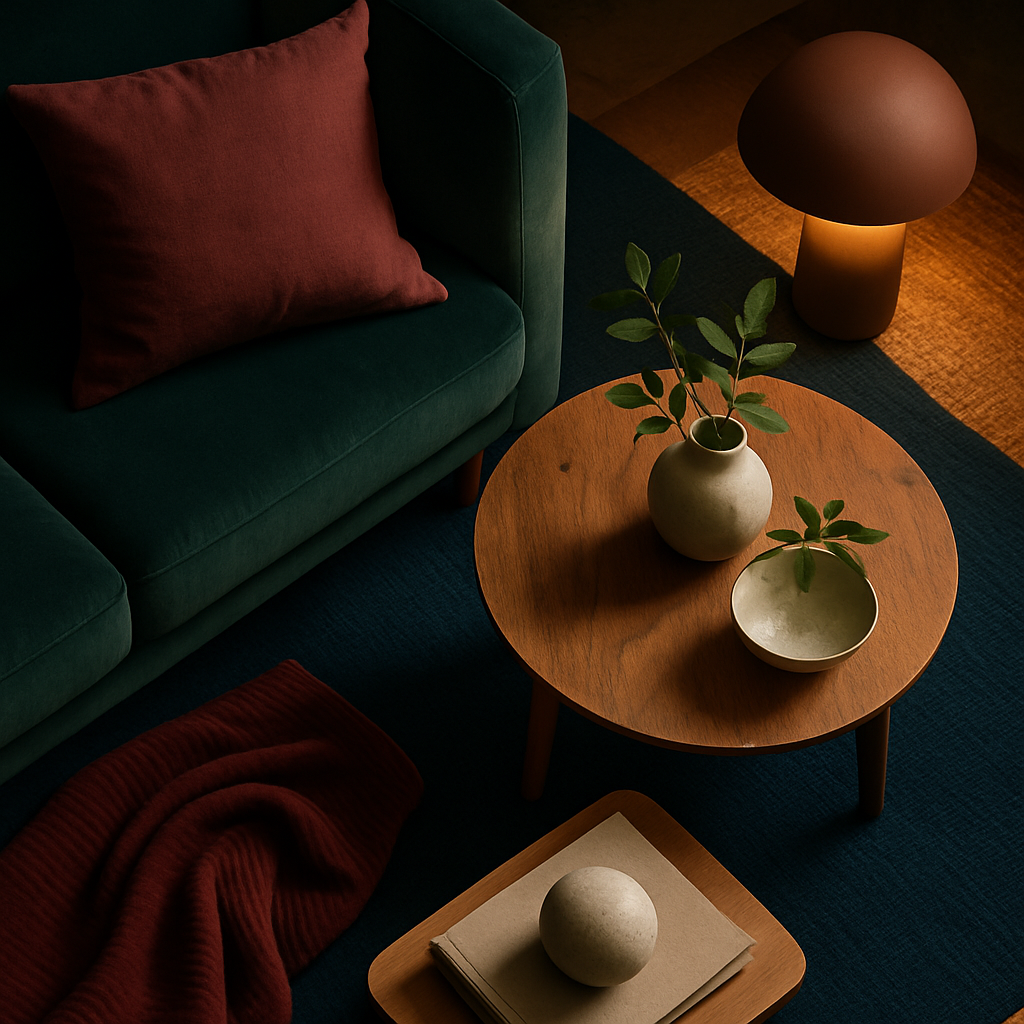
Imagine stepping into a living space that effortlessly blends clean lines with natural textures, where sustainability meets style in perfect harmony. That's the allure of organic modern interior design. As homeowners increasingly prioritize eco-friendly living, this design approach offers a compelling solution. But what exactly defines organic modernism, and how can you incorporate it into your home? This guide delves into foundational concepts, presents data-driven insights, and provides actionable strategies for achieving a sustainable yet chic interior. Along the way, you'll hear from industry professionals and discover how to make informed design choices that reflect both your values and aesthetics.
Foundational Concepts of Organic Modern Design
At its core, organic modern design is a seamless blend of minimalism and natural elements. This style borrows from the simplicity of modern design while integrating organic materials like wood, stone, and wool, creating spaces that are both clean and comforting. The aesthetic is characterized by its understated elegance and focus on functionality, which reduces excess and emphasizes quality over quantity. This approach is not just about aesthetics; it's also about creating environments that promote well-being and sustainability.
Understanding the principles behind organic modern design can transform how you approach your own space. For instance, incorporating biophilic design elements like indoor plants or natural light can improve air quality and boost mood, transforming a typical room into a serene retreat. Furthermore, the use of sustainable and locally-sourced materials not only supports the environment but also adds distinctive character to your home. Are you ready to reassess how you select materials and decor?
Incorporating these principles requires a shift in mindset: think of your home as a living entity that evolves over time. This means choosing timeless pieces over trendy ones and prioritizing durability and sustainability. According to the American Society of Interior Designers (ASID), well-designed interiors can significantly increase property value, with sustainable designs offering even greater returns. As you embark on your organic modern design journey, these foundational concepts will guide every decision you make, from the furniture you select to the way you arrange your space.
Deeper Analysis: The Impact of Sustainable Design
Sustainability is more than a buzzword; it's a crucial consideration in modern interior design. According to Houzz's annual survey, over 60% of homeowners are now incorporating sustainable practices into their renovation projects. This trend isn't just about reducing environmental impact-it's also about creating healthier living spaces. For example, using non-toxic materials and finishes can significantly reduce indoor air pollution, creating a safer environment for you and your family.
Numbers support the growing interest in sustainable design. Industry surveys suggest that homes designed with sustainability in mind can see a resale value increase of 5-15%. This is due to the growing demand for eco-friendly homes among buyers, who recognize the long-term benefits of reduced energy consumption and healthier living conditions. Have you considered how sustainability in design could impact your home's future value?
Moreover, organizations like the International Interior Design Association (IIDA) emphasize the role of designers in promoting sustainability. They advocate for the use of recycled and reclaimed materials, which not only reduce waste but also add unique textures and history to a home. By integrating these materials, you contribute to a larger movement towards environmental responsibility, while also distinguishing your design with one-of-a-kind elements.
Actionable Strategies for Organic Modern Design
Bringing organic modern design into your home involves a series of thoughtful choices and actions. Start by evaluating your space and identifying areas where natural elements can be introduced. Consider replacing synthetic rugs with those made from natural fibers such as jute or wool, which not only look appealing but also have lower environmental impact. Similarly, opt for furniture made from sustainably sourced wood, which is not only durable but also adds warmth and texture to your interiors.
Lighting plays a crucial role in organic modern design. Use large windows to maximize natural light, reducing reliance on artificial lighting. Where artificial light is necessary, choose energy-efficient LED options that consume less power and have a longer lifespan. Experienced professionals often note that smart home technologies, such as automated window treatments, can further enhance your ability to control lighting and energy use efficiently.
Finally, embrace the concept of minimalism by decluttering your space. Focus on a few high-quality pieces rather than overwhelming with numerous items. This not only helps maintain a clean aesthetic but also supports sustainable living by reducing the need for frequent replacements. Each piece should serve a purpose, either functionally or aesthetically, contributing to a cohesive and serene environment.
Expert-Level Insights into Organic Modern Design
Certified interior designers, particularly those with NCIDQ (National Council for Interior Design Qualification) credentials, bring a wealth of knowledge to the organic modern design process. They understand the nuances of selecting materials that are both sustainable and stylish, ensuring that every element contributes to the overall design without compromising on quality. Their expertise can be invaluable when sourcing unique or hard-to-find materials that align with your design vision.
Additionally, many professionals utilize advanced tools like AR/VR room visualization to help clients see potential designs in their space before making final decisions. This technology allows you to experiment with different layouts and materials, providing a clear picture of the end result. By using these tools, you can avoid costly mistakes and ensure that every design choice supports your aesthetic and functional goals.
Engage with platforms like Houzz and Architectural Digest's AD PRO network to access a wide range of designer portfolios and project photos. These resources offer inspiration and insight into the latest trends and best practices in organic modern design. You can learn about how other homeowners have successfully integrated sustainable practices into their spaces, providing a roadmap for your own projects.
Diving Deeper: Advanced Strategies for a Sustainable Home
For those looking to take their organic modern design to the next level, consider advanced strategies that further enhance sustainability. One such approach is the integration of smart home systems that manage energy consumption more effectively. Automated systems for lighting, heating, and cooling can significantly reduce energy use, aligning with the principles of organic modern design.
Another innovative strategy is the use of living walls or vertical gardens, which not only improve air quality but also bring a piece of nature indoors, enhancing the biophilic aspect of your design. These installations can be customized to fit various spaces and styles, offering both aesthetic and environmental benefits.
Finally, consider the long-term impact of your design choices. Opt for materials and construction methods that have a lower carbon footprint and can be easily recycled or repurposed at the end of their lifecycle. This forward-thinking approach ensures that your home remains sustainable for years to come, reflecting a commitment to both style and responsibility.
Final Perspectives on Organic Modern Interior Design
As you reflect on the journey towards an organic modern home, remember that this design approach is as much about mindset as it is about aesthetics. It's about making choices that prioritize sustainability and well-being, creating spaces that feel both beautiful and responsible. Are you ready to embrace a design philosophy that supports the health of both your home and the planet?
Engaging with the right professionals and resources can simplify this process, providing guidance and inspiration. Whether you're starting from scratch or looking to update an existing space, the principles of organic modern design offer a roadmap to a more sustainable future. By incorporating the insights and strategies discussed, you can create a home that truly reflects your values and enhances your quality of life.
In conclusion, organic modern interior design is not just a trend; it's a holistic approach to living that balances style, functionality, and sustainability. By making informed choices and leveraging the expertise of seasoned professionals, you can transform your home into a sanctuary that is both timeless and environmentally conscious. Start by browsing portfolios on platforms like Houzz this week-even 20 minutes of research will sharpen your eye for what you want. Your journey towards a sustainable home begins today.



Comments
Post a Comment