The Ultimate Guide to Minimalist Home Interior Design for Every Budget
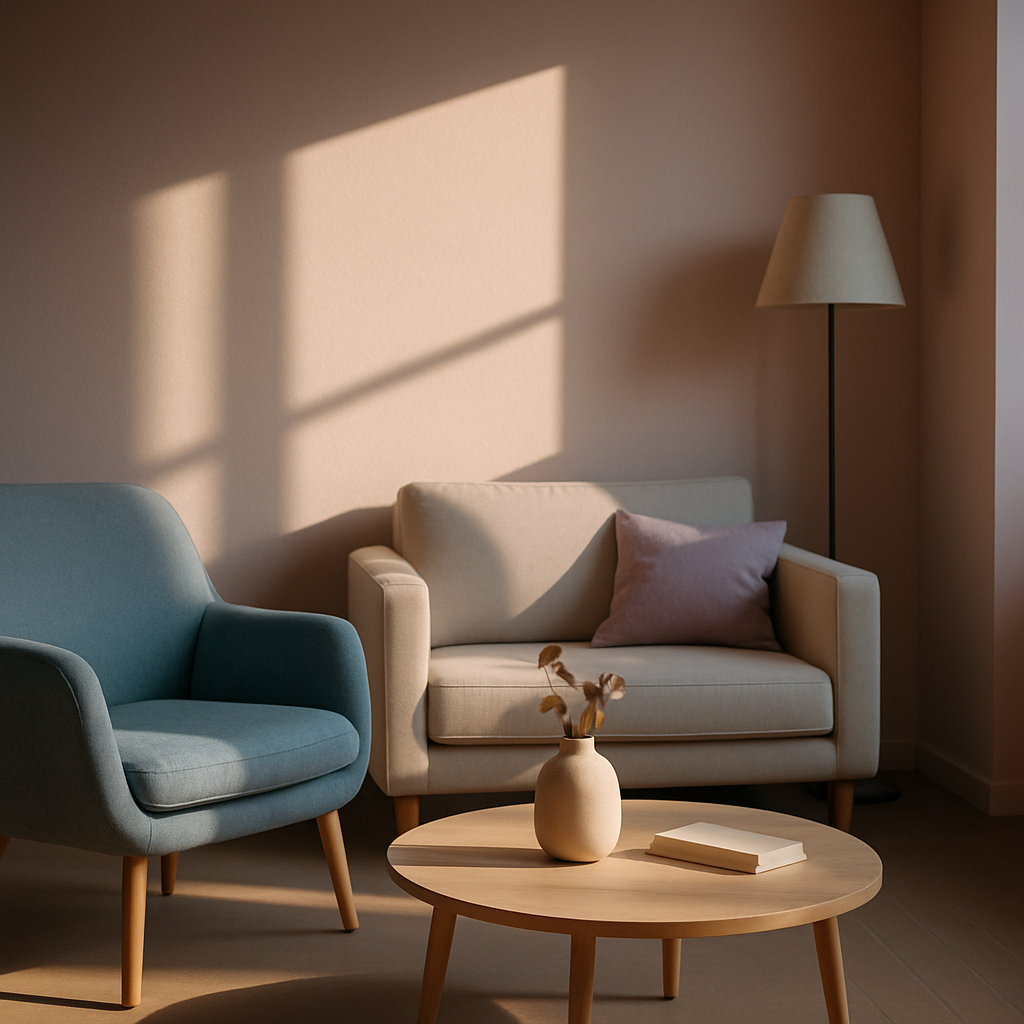
Imagine walking into a room that instantly calms your mind and soothes your senses. According to a recent survey by Houzz, minimalist interiors are not just aesthetically pleasing; they also contribute to reduced stress levels and a more organized life. If you're wondering how to transform your home into a minimalist sanctuary without breaking the bank, you're in the right place. This guide will explore fundamental concepts of minimalist design, delve into budget-friendly strategies, and provide expert insights to help you craft a serene and functional living space. Let's embark on this journey to minimalist bliss, where simplicity meets elegance.
Understanding the Foundations of Minimalism
Minimalism is more than just a design trend; it's a lifestyle choice that emphasizes simplicity and functionality. At its core, minimalist design focuses on the principle of "less is more," which means reducing clutter and only keeping items that add value to your life. This approach creates a space that is visually calm and free of distractions, allowing the essential elements to stand out. To begin your minimalist journey, start by decluttering. Ask yourself, does this item serve a purpose or bring joy? If not, it might be time to let it go.
Another key aspect of minimalist design is the use of a neutral color palette. Whites, greys, and beiges create a soothing environment that highlights the room's architecture and natural light. According to the ASID (American Society of Interior Designers), a neutral color scheme not only enhances the minimalist aesthetic but also increases the perceived space of a room. This is particularly useful for smaller apartments or homes where maximizing space is crucial.
Furniture selection is also pivotal in minimalist design. Choose pieces that are both functional and stylish, avoiding overly ornate designs. Look for furniture with clean lines and minimalist silhouettes. Experienced professionals often note that investing in multifunctional furniture, such as a sofa bed or extendable dining table, can significantly enhance the usability of a space while maintaining a minimalist vibe. As you explore these foundational elements, consider how they can seamlessly integrate into your existing home layout.
The Impact of Minimalism on Well-being and Value
Minimalist home design is not just about aesthetics; it's a powerful tool for enhancing well-being. A 2024 survey by the American Institute of Architects (AIA) found that over 70% of homeowners reported feeling more relaxed and focused in minimalist spaces. This is because clutter-free environments can reduce stress and improve mental clarity. By eliminating unnecessary distractions, minimalist design encourages mindfulness and a sense of tranquility in your daily life.
Moreover, minimalist interiors can increase the value of your home. Well-designed spaces are known to yield a 5-15% higher resale value, according to industry research. Potential buyers are often drawn to homes that appear spacious, clean, and modern, all hallmarks of minimalist design. By investing in minimalism, you're not only creating a peaceful living environment but also potentially boosting your property's market appeal.
Minimalism also aligns with current trends towards sustainability. By focusing on quality over quantity, you reduce waste and make more environmentally conscious choices. Sustainable materials like bamboo, reclaimed wood, and recycled metals are frequently used in minimalist designs, supporting eco-friendly living. As you consider embarking on a minimalist makeover, think about how these choices can positively impact both your well-being and the environment.
Strategies for Achieving Minimalism on a Budget
Achieving a minimalist home doesn't require a hefty budget. Start by setting clear priorities. Identify areas that need the most attention and allocate your resources accordingly. For instance, if your living room feels cluttered, focus on decluttering and investing in key pieces that transform the space. Consider using platforms like Pinterest and Instagram for inspiration and to identify cost-effective ideas that align with your vision.
Next, consider DIY projects to cut costs. Painting walls in neutral tones, repurposing furniture, or creating your own artwork can significantly reduce expenses. According to Architectural Digest's AD PRO network, many homeowners find that DIY projects not only save money but also add a personal touch to their homes. Are there projects you've been putting off that could enhance your space without overspending?
Finally, be strategic about where you shop. Thrift stores and online marketplaces like Facebook Marketplace offer affordable options for those looking to furnish their homes without splurging. Keep an eye out for sales at major retailers and consider joining local design groups where members often share discounts or giveaways. With these strategies, achieving a minimalist home is not only possible but also rewarding, allowing you to create a serene space that reflects your personal style.
Expert Insights on Minimalist Design
Experienced interior designers emphasize the importance of balance in minimalist design. While the goal is to simplify, it's crucial to avoid creating a space that feels cold or uninviting. Incorporate textures like soft throws, plush rugs, or velvet cushions to add warmth and depth. The IIDA (International Interior Design Association) suggests blending different textures to create a dynamic yet cohesive space.
Lighting is another critical element. Natural light should be maximized wherever possible. Consider sheer curtains or automated window treatments to control the flow of light and enhance the minimalist aesthetic. For artificial lighting, opt for fixtures with clean lines and simple designs. Smart home integration, such as app-controlled lighting, can further streamline your space and enhance functionality.
Finally, personalize your minimalist design with carefully chosen decor. Select a few standout pieces, like a statement vase or a piece of art, to add character without overwhelming the space. Remember, minimalism is about intentionality; every item should serve a purpose or bring joy. As you refine your space, keep these expert insights in mind to create a harmonious and inviting home.
Additional Depth: Exploring Minimalism's Versatility
Minimalism is incredibly versatile and can be adapted to various design styles and personal preferences. The Japandi trend, a blend of Japanese minimalism and Scandinavian warmth, is gaining popularity for its focus on natural elements and cozy simplicity. This style is perfect for those seeking a minimalist approach with a touch of comfort and elegance.
Biophilic design, which incorporates natural materials and elements, is another trend that complements minimalism. Bringing the outdoors in through the use of plants, natural light, and organic materials can enhance the calming effect of a minimalist space. According to Houzz, incorporating greenery not only boosts mood but also improves air quality, making it a valuable addition to any home.
For those interested in technology, AR/VR room visualization tools are becoming an invaluable asset in the design process. These tools allow you to see how different design elements will look in your space before making any purchases. The NCIDQ (National Council for Interior Design Qualification) highlights the growing use of these technologies in creating precise and personalized designs. As you explore these versatile aspects of minimalism, consider how they can be tailored to fit your lifestyle and aesthetic preferences.
Final Perspectives on Minimalist Design
As you embark on your minimalist design journey, remember that the goal is to create a space that brings you peace and joy. Minimalism is not about following strict rules but about making thoughtful choices that enhance your living environment. Take your time, experiment with different ideas, and don't be afraid to make adjustments along the way.
It's crucial to maintain a balance between function and aesthetics. While minimalism emphasizes simplicity, it's equally important to ensure your home remains practical and comfortable for everyday living. Consider how each change will impact your daily routine and adjust accordingly.
Ultimately, a minimalist home is a reflection of your personality and values. By focusing on what truly matters, you create a space that supports your lifestyle and promotes well-being. As you continue to refine your home, keep these perspectives in mind and enjoy the tranquility and clarity that minimalism brings.
Conclusion
Minimalist home interior design offers a pathway to a more organized, serene, and aesthetically pleasing living environment. By understanding its foundational principles, utilizing strategic budgeting techniques, and incorporating expert insights, you can transform your home into a minimalist haven. Are you ready to start your minimalist journey? Begin by browsing designer portfolios on Houzz or Pinterest this week. Even 20 minutes of research will sharpen your eye for what you want. Embrace the minimalist lifestyle and discover the peace and clarity it can bring to your everyday life.



Comments
Post a Comment