The Ultimate Guide to Minimalism in Modern Interior Design for Small Spaces
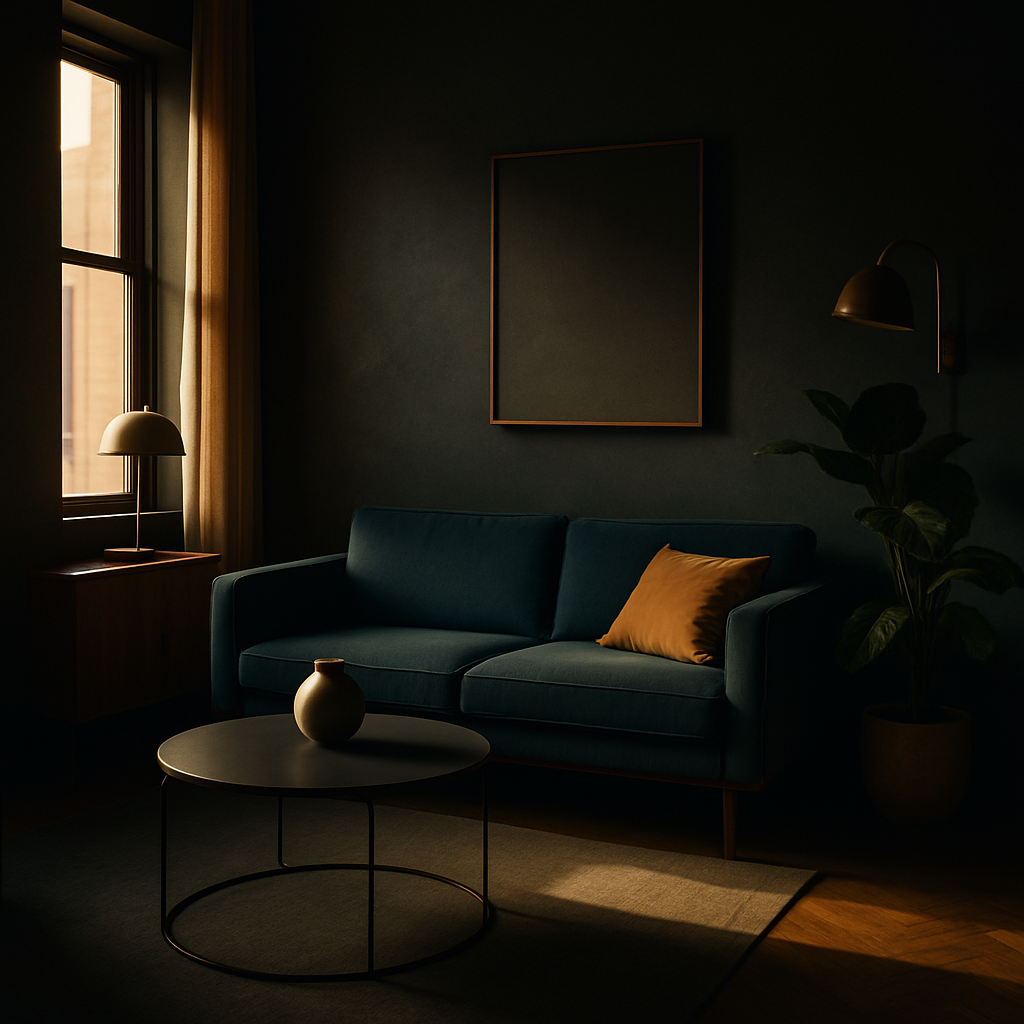
Imagine walking into a room that feels open, airy, and effortlessly chic, despite its limited square footage. According to a Houzz study, small space living is a growing trend, and 47% of homeowners are opting for more minimalist designs to maximize functionality. Minimalism in modern interior design offers a solution for those looking to create serene and clutter-free environments, particularly in small spaces. In this guide, we'll explore the foundational concepts of minimalist design, delve into actionable strategies, and provide expert-level insights to transform your compact living areas. Ready to reimagine your space?
The Foundations of Minimalism in Interior Design
Minimalism is rooted in the principle of "less is more," focusing on simplicity, clean lines, and a restrained color palette. This design philosophy emphasizes functionality and the elimination of unnecessary items, creating spaces that are both practical and aesthetically pleasing. According to the American Society of Interior Designers (ASID), minimalism is not just about reducing clutter but enhancing the usability and flow of a space. In small spaces, this often means incorporating multifunctional furniture and maximizing storage solutions.
A key element of minimalist design is the use of neutral colors, such as whites, grays, and beiges, which help to make a space feel larger and more cohesive. Textures and materials play a significant role in adding depth and interest without overwhelming the senses. For example, a simple linen sofa paired with a natural wood coffee table can evoke a sense of calm and order. How do you currently feel in your space? Could a minimalist approach bring you more peace?
Lighting also plays a vital part in achieving a minimalist aesthetic. Natural light is preferred, as it enhances the feeling of openness and brings warmth to a room. When natural light is limited, well-placed artificial lighting can highlight key areas and create a sense of space. Consider using sleek, modern fixtures that complement the minimalist style. As we transition to the next section, think about how these foundational elements might apply to your home.
Understanding the Impact of Minimalism with Data
Adopting a minimalist design can have a profound impact on both the physical and psychological aspects of a space. According to a study by the National Council for Interior Design Qualification (NCIDQ), spaces designed with minimalist principles can reduce stress and improve focus by creating a more organized and peaceful environment. The absence of clutter allows for clearer thinking and better decision-making, which is especially beneficial in small spaces where every inch counts.
Data from Houzz indicates that minimalist designs are associated with higher homeowner satisfaction rates, with 65% of respondents reporting increased happiness and comfort after redesigning their space with minimalist principles. This satisfaction often translates into increased property value, as well-designed interiors can yield a 5-15% higher resale value. For those considering selling their home in the future, investing in minimalist design can be both aesthetically pleasing and financially rewarding.
Minimalism's popularity is also reflected in the market trends, with a growing demand for minimalist furniture and decor. According to IIDA (International Interior Design Association), sales of minimalist-style furniture have increased by 20% over the past year, indicating a shift in consumer preferences. As we move forward, we'll look at specific strategies that can help you implement these principles effectively in your own space.
Actionable Strategies for Minimalist Design in Small Spaces
Embracing minimalism in small spaces requires thoughtful planning and execution. Start by assessing your space and identifying areas that feel cluttered or underutilized. Decluttering is an essential first step; focus on keeping only items that serve a purpose or bring joy. You might ask yourself, "When was the last time I used this item?" or "Does this piece contribute to the overall harmony of my space?"
Once you've decluttered, consider investing in multifunctional furniture that maximizes space and utility. Pieces like a sofa bed, extendable dining tables, or ottomans with hidden storage can be game-changers in small apartments. According to AD PRO, modular furniture is another excellent choice, allowing you to adapt and reconfigure your space as needed. The flexibility of these pieces enables you to maintain a minimalist aesthetic without sacrificing functionality.
Incorporating smart home technology can further enhance the minimalist approach by reducing the need for excess devices and streamlining daily tasks. Automated lighting, climate control, and smart window treatments contribute to a clean and efficient environment. As we explore more expert-level details, consider how these strategies might transform your own living area.
Expert-Level Insights into Minimalism
Experienced professionals often note that successful minimalist design requires a keen eye for detail and quality. Investing in high-quality materials and craftsmanship ensures that each piece can stand on its own as a design element. This approach not only elevates the aesthetic but also provides longevity and durability, which are crucial in maintaining a minimalist space over time.
Another expert tip is to incorporate biophilic design elements, such as indoor plants or natural materials, to soften and warm a minimalist space. The use of greenery can add a touch of vibrancy and life, breaking the monotony of a strictly neutral palette. Houzz suggests that even a small plant arrangement can make a significant difference in creating a harmonious balance between minimalism and comfort.
Finally, personalizing your minimalist space with carefully curated art or decor can add character without overwhelming the simplicity. Choose pieces that resonate with you and reflect your personality. Whether it's a single statement artwork or a few cherished trinkets, these elements can inject warmth and individuality into a minimalist setting. As we delve into additional depth, reflect on how these expert insights can enhance your design approach.
Additional Depth: Advanced Techniques
For those looking to take minimalist design to the next level, consider incorporating Japandi style, a hybrid of Japanese minimalism and Scandinavian warmth. This trend emphasizes functionality, natural elements, and a tranquil palette, creating a seamless blend of both cultures' design philosophies. Are you drawn to the simplicity of Japanese design or the coziness of Scandinavian interiors?
Integrating sustainable and reclaimed materials is another advanced technique that aligns with minimalist principles. Using materials like reclaimed wood, recycled metal, or organic textiles not only supports environmental sustainability but also contributes to a unique, layered design. According to ASID, sustainability is a growing concern among homeowners, with many seeking eco-friendly options in their design projects.
Virtual reality and augmented reality tools are becoming increasingly popular in interior design, allowing you to visualize your minimalist space before making any changes. These technologies enable you to experiment with different layouts, color schemes, and furniture arrangements in a virtual environment, ensuring that your design choices align with minimalist principles. As we wrap up, consider how these advanced techniques could be integrated into your minimalist journey.
Final Perspectives on Minimalism in Small Spaces
Minimalism in modern interior design offers a powerful solution for maximizing small spaces, creating environments that are both functional and aesthetically pleasing. By understanding the foundational concepts, leveraging data-driven insights, and applying expert strategies, you can transform your living space into a minimalist haven. The journey to minimalism is personal, and the key is to make mindful choices that align with your lifestyle and values.
As you reflect on the insights shared in this guide, think about the specific changes you can make to embrace minimalism in your own home. Whether it's decluttering, investing in multifunctional furniture, or incorporating biophilic elements, each step brings you closer to achieving a harmonious and efficient space. Ready to begin your minimalist transformation?
Conclusion
Minimalism in modern interior design for small spaces is more than a trend; it's a lifestyle choice that offers lasting benefits. By simplifying your surroundings, you can create a space that enhances your well-being and supports your daily activities. As you embark on your minimalist journey, remember that it's about making intentional choices that reflect your personal style and needs.
Start by browsing portfolios on Houzz or Instagram this week - even 20 minutes of research will sharpen your eye for what you want. Look for inspiration, identify key design elements, and consider how they might be adapted to fit your space. With the right approach, you can transform even the smallest of areas into a minimalist masterpiece.


Comments
Post a Comment