The Ultimate Guide to Creating a Productive Office Interior Design
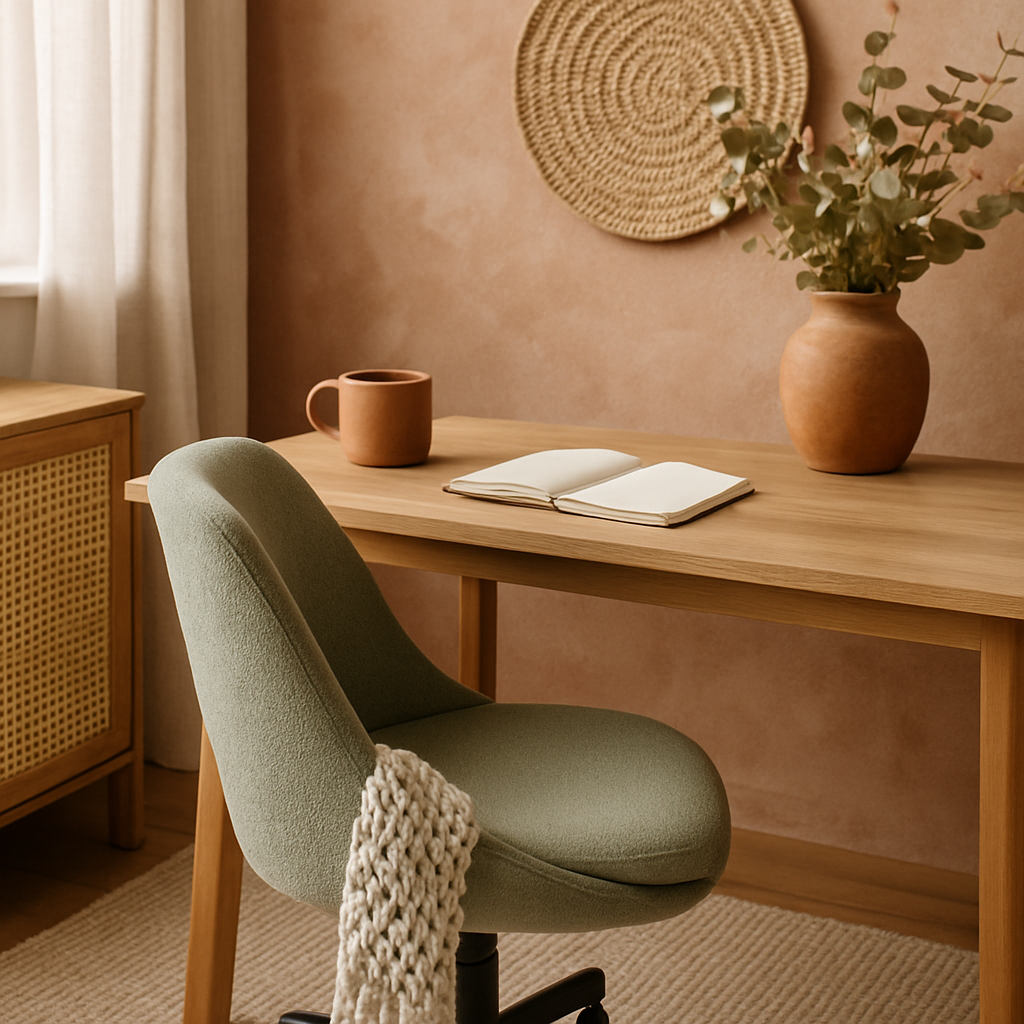
Imagine walking into an office that feels like a breath of fresh air, where every element is meticulously crafted to enhance focus and productivity. According to research by the American Society of Interior Designers (ASID), nearly 90% of workers believe that a well-designed workplace impacts their performance. This isn't just about aesthetics; it's about creating an environment that fosters efficiency and innovation. In this guide, we'll explore how you can transform your office into a powerhouse of productivity. We'll uncover foundational design principles, delve into data-driven insights, and provide actionable strategies to elevate your workspace. By incorporating expert tips and industry trends, you'll be equipped to design an office that not only looks good but also works hard for you.
Understanding the Foundations of Productive Office Design
Creating a productive office interior design begins with understanding the core principles of space planning. At its heart, this involves arranging furnishings and decor to optimize workflow and accessibility. The National Council for Interior Design Qualification (NCIDQ) emphasizes the importance of circulation paths, which should be clear and unobstructed, allowing for easy movement. A well-planned layout can reduce stress and minimize distractions, essential ingredients for a productive environment.
Lighting is another crucial element. Natural light is known to boost mood and energy levels, making it a priority in office design. If natural light is limited, consider layering various lighting types, such as task lighting for desks and ambient lighting to reduce eye strain. According to Houzz survey data, 65% of homeowners prioritize lighting in their remodels, recognizing its impact on comfort and productivity.
Ergonomics is the final pillar of foundational office design. Investing in ergonomic furniture, like adjustable desks and supportive chairs, can significantly enhance comfort. The International Interior Design Association (IIDA) suggests that ergonomic designs not only improve health but also increase productivity by up to 20%. By addressing these foundational elements, you lay the groundwork for a truly effective office space.
Analyzing Data for Optimal Office Design Decisions
Data-driven design is transforming how we approach office interiors. According to a study by the World Green Building Council, offices with optimized environmental controls can see productivity increases of up to 11%. This includes factors such as air quality, temperature control, and acoustics-all elements that can be fine-tuned to meet specific needs.
For instance, the use of biophilic design, which incorporates natural elements like plants and water features, has been shown to reduce stress and increase overall well-being. A survey by the Human Spaces report found that employees working in environments with natural elements reported a 15% higher level of well-being. Additionally, smart technology integration, such as automated window treatments and climate controls, allows for personalized comfort, further enhancing productivity.
By analyzing these data points, you can make informed decisions that align with your office's specific requirements. Are you maximizing the potential of your space with the right technologies and natural elements? As you gather insights from industry reports and studies, you are better positioned to create an office that truly supports your team's best work.
Implementing Actionable Strategies for Enhanced Productivity
Once you've laid the groundwork with foundational principles and data insights, it's time to implement actionable strategies. Start by decluttering your workspace. A clutter-free environment reduces distractions and promotes focus. Professional organizers often recommend the "one-in, one-out" rule to maintain order-adding a new item means removing an old one.
Next, consider zoning your office for different activities. Create dedicated areas for collaborative work, quiet focus, and informal meetings. This approach not only maximizes space but also caters to varying work styles. According to the American Institute of Architects (AIA), flexible workspaces can increase efficiency by 5-10% by allowing employees to choose environments that best suit their tasks.
Incorporating color psychology is another effective strategy. Colors like blue and green are known to calm the mind and enhance concentration, while yellow can stimulate creativity. When selecting a color palette, think about the mood you want to evoke and how it aligns with your company's culture and goals. These strategies, when thoughtfully applied, can transform your office into a hub of productivity.
Expert-Level Insights into Productive Office Design
Experienced professionals often note that the devil is in the details when it comes to office design. One key aspect is the integration of technology. AR/VR room visualization tools are now being used by designers to provide a virtual tour of the proposed space, offering a clear visualization of the end result. This technology helps in making precise adjustments before implementation.
Furthermore, the concept of quiet luxury, characterized by understated elegance and quality materials, is gaining traction. This trend focuses on creating a refined environment that subtly communicates professionalism and sophistication. Incorporating high-quality, sustainable materials like reclaimed wood or recycled metal can enhance both the aesthetic appeal and the environmental responsibility of your office.
Finally, consider the role of acoustics in office productivity. Poor acoustics can lead to increased stress and decreased concentration. Implementing sound-absorbing materials, such as acoustic panels or soft furnishings, can mitigate noise levels. As you refine these elements, you elevate your office design from functional to exceptional, supporting both well-being and efficiency.
Additional Depth: Budgeting and Project Phases
Budgeting is a critical component of any office redesign. For a single-room office project, costs can range from $5,000 to $15,000, while a full-office renovation might extend to $50,000 or more. Understanding these figures allows you to prioritize spending on elements that will have the most significant impact on productivity, such as ergonomic furniture or advanced lighting systems.
The typical project phases include concept development, design presentation, procurement, installation, and styling. Each phase requires careful planning and coordination. During the design presentation, for example, you should finalize your layout and select materials. In the procurement phase, working with suppliers to source quality furnishings within budget is crucial.
As you move through each phase, maintaining clear communication with your design team ensures that the project stays on track. Are you prepared to manage these phases effectively? By understanding the process and potential costs, you can navigate your office redesign with confidence and precision.
Final Perspectives on Office Interior Design
As you refine your office interior design, remember that flexibility is key. The workplace is an ever-evolving environment, and your design should accommodate future changes. This might include incorporating modular furniture or choosing reversible decor solutions. Future-proofing your design ensures long-term functionality and adaptability.
Consider also the impact of your design choices on employee morale and company culture. A thoughtfully designed office can boost team spirit and foster a sense of belonging. The ripple effects of these intangible benefits often translate into tangible productivity gains. Are you ready to harness the full potential of your office space?
Conclusion
In summary, creating a productive office interior design requires a blend of foundational principles, data-driven insights, and expert strategies. By focusing on space planning, lighting, ergonomics, and technology, you can craft a workspace that enhances both efficiency and well-being. As you embark on this design journey, let industry expertise guide your decisions. Start by browsing portfolios on platforms like Houzz or consulting directories like ASID to find inspiration and professional support. Even 20 minutes of research can sharpen your vision for a more effective workspace. Ready to transform your office into a productivity powerhouse? The first step is just a click away.


Comments
Post a Comment