The Ultimate Guide to Color Palettes in Modern Interior Design: Tips and Inspiration
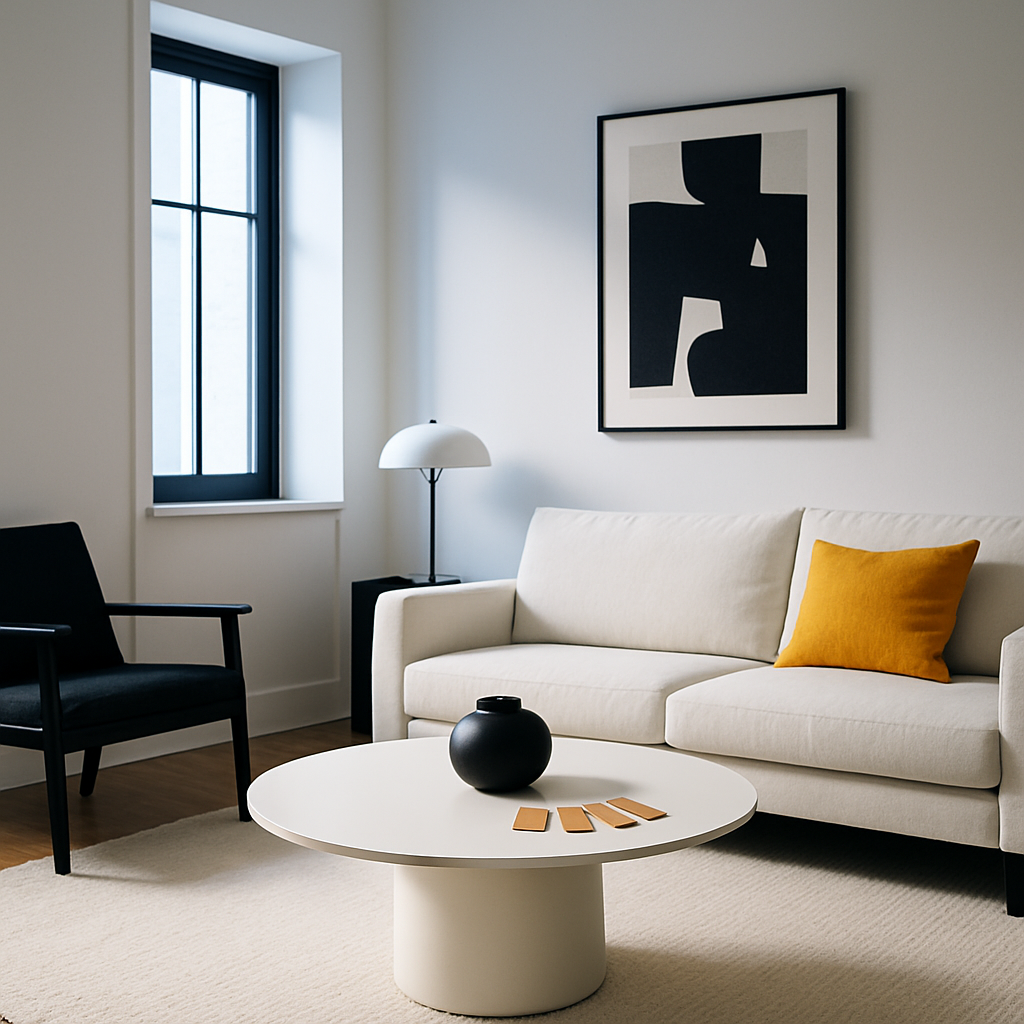
Have you ever walked into a room and felt instantly calmed by its colors, or invigorated by a vibrant hue? This is no accident. The strategic use of color in modern interior design can profoundly influence mood and perception. As more homeowners seek to create spaces that reflect both personal style and contemporary trends, understanding color palettes becomes essential. This comprehensive guide will explore foundational concepts, analyze current data and trends, offer actionable strategies, and delve into expert-level insights. Whether you're redesigning a single room or an entire home, these tips will help you harness the power of color.
Understanding the Basics of Color Theory
Color theory is the backbone of any design project, serving as the guide for selecting harmonious color combinations. At its core, color theory involves the color wheel, which categorizes colors into primary, secondary, and tertiary hues. Understanding this wheel allows you to create color palettes that are complementary, analogous, or monochromatic. For example, complementary colors, such as blue and orange, sit opposite each other on the wheel and can bring dynamic contrast to a space.
In interior design, the 60-30-10 rule is a foundational principle derived from color theory. This rule advises that 60% of a room should be a dominant color, 30% a secondary color, and 10% an accent color. This ratio ensures balance and prevents one color from overwhelming the space. Experienced designers often apply this rule to achieve a cohesive look, carefully selecting shades that enhance the room's purpose and mood.
Have you considered how the psychology of color affects your design choices? Colors evoke emotions; for instance, blues and greens often create a tranquil atmosphere, while reds and yellows can energize a space. By aligning your color palette with the intended mood of a room, you can craft an environment that not only looks beautiful but also feels right.
The basics of color theory set the stage for more advanced design decisions. Next, we'll delve into current trends and data to see how they're shaping modern color palettes.
Current Trends and Data in Color Palettes
As of 2023, several trends are influencing the choice of color palettes in modern interiors. A significant trend is the rise of biophilic design, which emphasizes natural materials and earthy tones. According to Houzz's annual survey, 65% of homeowners prefer incorporating elements reminiscent of nature, such as shades of green, brown, and terracotta. This aligns with a broader movement towards sustainability and wellness in home environments.
Another emerging trend is "quiet luxury," characterized by understated, elegant color schemes. Think of muted pastels, soft grays, and off-whites that create a sense of calm sophistication. Architectural Digest notes that this trend is particularly popular in urban apartments, where space is a premium, and color can subtly enhance the perception of openness and airiness.
Smart home integration also plays a role in color selection. As homes become more tech-savvy, with automated lighting and climate controls, colors that complement these features are in demand. The integration of neutral tones with smart technology creates a seamless, futuristic aesthetic. How might these trends influence your next design project? Consider the data and trends as a foundation for creating a modern, cohesive look.
With a grasp of the latest trends, we can move on to actionable strategies for choosing and implementing color palettes in your own space.
Actionable Strategies for Choosing Color Palettes
Choosing the right color palette for your space can seem daunting, but with a strategic approach, it becomes manageable. Start by defining the mood you wish to evoke in each room. Are you aiming for serene and calming, or vibrant and energizing? Once you've identified the mood, select a base color that aligns with it. For instance, a soft blue might suit a tranquil bedroom, while a lively yellow could invigorate a kitchen.
Next, consider using AR/VR room visualization tools, which have become invaluable for designers and homeowners alike. These tools allow you to experiment with different color schemes in a virtual space before committing to paint or wallpaper. A study by the American Society of Interior Designers (ASID) found that 78% of clients report increased satisfaction when they use visualization tools during the design process.
Finally, don't overlook the power of texture in your color palette. Combining different textures in similar shades can add depth and interest without introducing additional colors. Think of a room with varying fabrics like velvet, linen, and wool in a single color family. How can texture enhance the colors in your space? By considering both color and texture, you ensure a room is visually appealing and engaging.
Having laid out strategies for selecting color palettes, let's now delve into expert-level details that can elevate your design.
Expert Insights for Advanced Color Design
Experienced professionals often note the importance of lighting in color perception. Natural and artificial lighting can dramatically alter how a color appears in a space. For example, north-facing rooms, which receive cooler light, might require warmer colors to balance the cool tones. Meanwhile, south-facing rooms, flooded with warm light, can handle cooler colors without appearing too stark.
Incorporating cultural and historical influences can also enrich your color palette. Many designers draw inspiration from global styles, such as the warm terracottas of Mediterranean villas or the rich jewel tones of Moroccan interiors. The International Interior Design Association (IIDA) emphasizes the importance of cultural context in creating meaningful, personalized spaces.
Another expert tip involves the strategic use of accent walls. An accent wall painted in a bold color can serve as a focal point, drawing attention to architectural features or art. This technique can also make a small room appear larger by creating depth. What architectural features in your home could benefit from a bold color statement?
With expert insights in mind, let's explore additional details that can further enhance your color design.
Additional Depth: Beyond Paint and Wallpaper
Color in interior design extends beyond paint and wallpaper. Furnishings, artwork, and decor also contribute to a room's color palette. When selecting furniture, consider pieces that complement or contrast with your chosen wall colors to create a harmonious balance. For instance, a navy sofa can ground a room with light walls, adding sophistication and depth.
Artwork is another powerful tool for introducing color. Large canvases or gallery walls can inject bold hues into a space without overwhelming it. Interior designers frequently use art to bridge different color elements within a room, creating cohesion and interest. According to AD PRO, homeowners increasingly seek custom artwork to personalize their spaces, often commissioning pieces that reflect their color scheme.
Lastly, don't forget about nature's palette. Incorporating plants and flowers can add vibrant colors and textures that evolve with the seasons. Whether it's a potted palm in a corner or a vase of fresh blooms on a table, natural elements can breathe life into your design. How might the addition of greenery transform your space's color dynamics?
As we've seen, color design involves more than just the basics. Let's conclude with some final perspectives.
Final Perspectives on Color in Modern Design
Color palettes in modern interior design offer endless possibilities for creativity and expression. From foundational principles and current trends to advanced strategies and expert insights, the key is to approach color with intentionality and awareness. As trends continue to evolve, staying informed and adaptable will ensure your designs remain fresh and relevant.
Consider how your personal style and the unique characteristics of your space can guide your color choices. By embracing both the science and art of color, you can create interiors that are not only aesthetically pleasing but also profoundly personal.
With these perspectives in mind, you're now equipped to explore the vibrant world of color in your next interior design project.
Conclusion: Taking the Next Step in Your Color Journey
In conclusion, mastering the art of color palettes in modern interior design involves understanding theory, analyzing trends, applying practical strategies, and seeking expert guidance. As you embark on your next design project, remember that color is a powerful tool that can transform any space.
Start by browsing designer portfolios on platforms like Houzz or Instagram this week. Even 20 minutes of research can sharpen your eye for what resonates with you. As you explore, consider the possibilities and let your creativity lead the way. Your next color journey awaits, filled with potential to redefine your surroundings.



Comments
Post a Comment