The Ultimate Guide to Choosing the Right Interior Design Services for Your Project
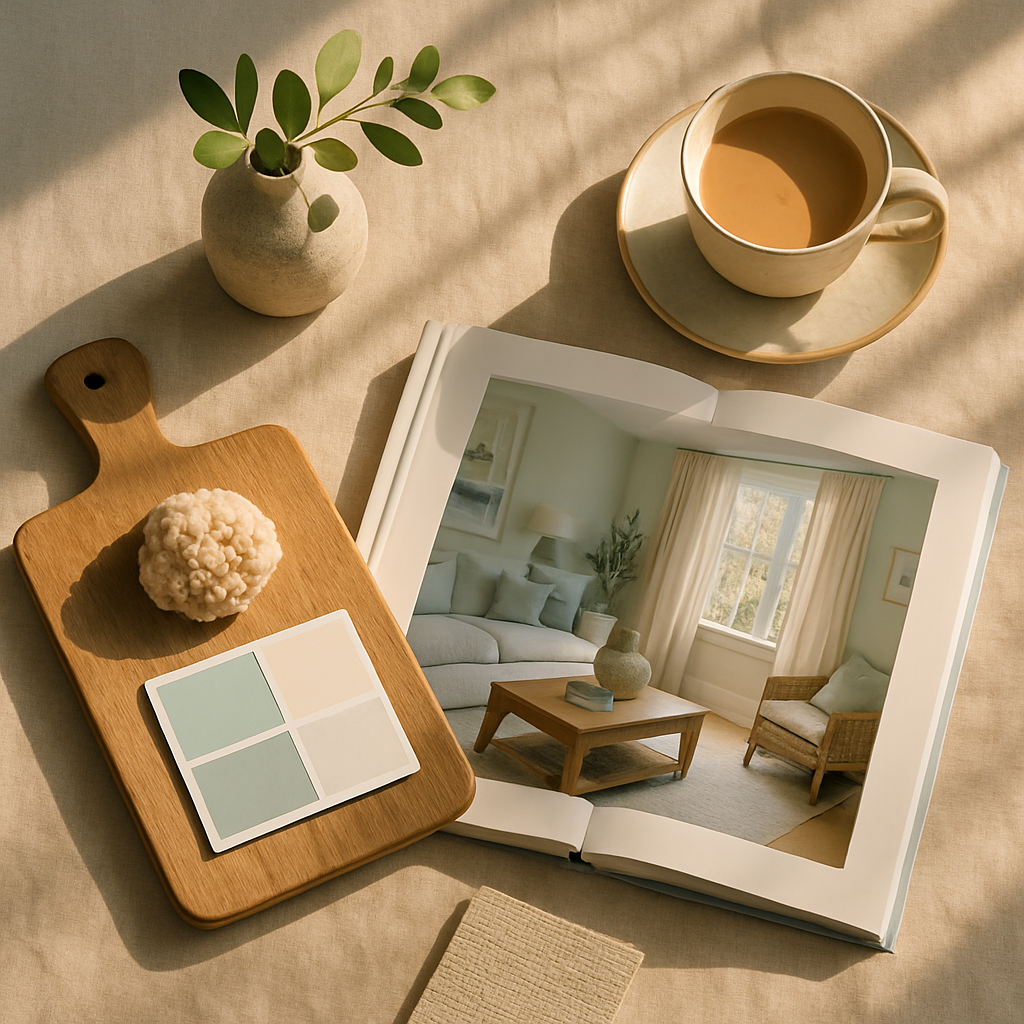
Have you ever walked into a room and felt an immediate sense of calm or excitement? That's the magic of great interior design. But with so many services available, choosing the right one for your project can be daunting. According to Houzz's annual survey, 58% of homeowners find it challenging to start and manage a design project. This comprehensive guide will help you navigate the world of interior design services, from understanding different types of professionals to actionable strategies for selecting the perfect fit for your needs. We'll delve into the nuances of service offerings, discuss the latest industry trends, and equip you with expert advice to ensure your project's success.
Understanding the Basics of Interior Design Services
Before diving into the specifics of choosing the right interior design services, it's crucial to understand the foundational concepts. Interior design services range from full-service packages, which include everything from initial concept development to final styling, to more focused offerings like consultations or specific room designs. The American Society of Interior Designers (ASID) emphasizes the importance of distinguishing between certified interior designers and decorators. Certified professionals typically hold credentials like the NCIDQ (National Council for Interior Design Qualification), ensuring they meet industry standards and possess comprehensive training.
When considering your project, think about the scale and scope of your needs. Are you looking to redesign a single room, or do you need a full-home transformation? This will influence whether you should seek a designer who offers a complete suite of services or a more specialized approach. Full-service design firms may handle everything, including procurement and installation, while others might focus solely on the conceptual phase.
Budget is another foundational aspect to consider. Interior design services can vary widely in cost, with hourly rates ranging from $150 to $500, and full-home projects often exceeding $50,000. Understanding your financial boundaries will help you narrow down your options and find a service that aligns with your budgetary expectations. As you explore these concepts, consider how they apply to your project and what you value most in a design partner.
Analyzing Industry Data and Trends
In recent years, the interior design industry has seen significant shifts in both consumer preferences and technological advancements. According to the International Interior Design Association (IIDA), there's a growing demand for sustainable and biophilic designs, which incorporate natural elements and materials. Homeowners are increasingly prioritizing eco-friendly solutions, with 45% citing sustainability as a key factor in their design decisions. This trend is not only environmentally responsible but also adds a layer of tranquility and connection to nature within the home.
Another trend shaping the industry is the integration of smart home technologies. Designers are now incorporating automated lighting, climate control, and window treatments into their plans. This not only enhances convenience but also contributes to energy efficiency, aligning with the sustainability movement. Experienced professionals often note that smart home features can add significant value to a property, influencing resale value positively.
Understanding these trends can help you make informed decisions about the design services you choose. Are you interested in creating a space that reflects these modern sensibilities, or do you prefer a more traditional approach? By aligning your project with current industry trends, you can ensure that your design will remain relevant and appealing for years to come.
Developing Actionable Strategies for Choosing a Designer
Choosing the right interior design service involves more than just selecting a style you like. It requires a strategic approach to ensure that your needs are met effectively. Start by defining your project goals clearly. What specific outcomes are you aiming for? Is it a complete overhaul, or are there particular areas you want to focus on? Having a clear vision will guide your conversations with potential designers and ensure alignment from the outset.
Research is a critical component of this process. Utilize platforms like Houzz and Architectural Digest's AD PRO network to review portfolios and read client testimonials. Look for designers whose previous work resonates with your style preferences and project goals. Additionally, consider conducting interviews with a shortlist of candidates. This will give you a sense of their communication style, their approach to problem-solving, and how well they understand your vision.
Finally, don't underestimate the importance of chemistry. The relationship you form with your designer can significantly impact the project's success. During your initial meetings, pay attention to how well you connect with them. Do they listen to your ideas and offer insightful feedback? Are they transparent about their process and fees? These interpersonal dynamics are crucial, as they set the tone for the entire collaboration.
Gaining Expert Insights and Advice
Consulting with industry experts can provide valuable perspectives as you navigate your interior design journey. Professionals often advise starting with smaller projects or consultations to gauge a designer's style and compatibility with your preferences. This approach allows you to test the waters without committing to a full-scale project immediately, giving you a firsthand experience of their process and expertise.
Consider the credentials of the designers you're evaluating. Membership in professional organizations like ASID or holding an NCIDQ certification indicates a commitment to industry standards and ongoing education. These credentials can provide peace of mind, knowing that the designer possesses a thorough understanding of both aesthetic and functional design principles.
Additionally, experienced professionals often highlight the importance of clear communication and transparency. Clear communication ensures that both parties are aligned on expectations, timelines, and budgets, reducing the likelihood of misunderstandings. Be proactive in establishing these communication channels and encourage regular updates throughout the project to stay informed about progress and any potential adjustments needed.
Exploring Additional Considerations for Your Project
Beyond the basics and expert advice, there are other factors to consider when selecting interior design services. One such factor is the design firm's procurement process. Some designers offer procurement services, handling the purchasing of furniture and materials, which can save you time and potentially money through trade discounts. However, this service often comes with a markup, so it's important to consider how it fits within your budget.
Another consideration is the use of technology in the design process. Many contemporary designers utilize AR/VR room visualization tools to help clients envision the final look of their space before any work begins. This can be an invaluable tool if you have difficulty picturing the end result or want to experiment with different layouts and furnishings without making a physical commitment.
Finally, think about the long-term implications of your design choices. Will your selections remain relevant in the coming years, or are they heavily trend-driven? Balancing current trends with timeless design principles can help ensure that your space remains stylish and functional as your needs evolve. These additional considerations can refine your selection process and ensure a well-rounded approach to your design project.
Final Perspectives on Selecting Your Design Service
Choosing the right interior design services is a multifaceted decision that requires careful thought and planning. By understanding the basics, analyzing industry trends, and applying actionable strategies, you can confidently navigate the selection process. Remember that the relationship you build with your designer is just as important as their portfolio or credentials. A collaborative and communicative partnership can greatly enhance the outcome of your project.
As you move forward, reflect on the insights and advice provided by industry professionals. Consider starting with a smaller project to test compatibility and gradually expand as trust and understanding develop. This phased approach can minimize risk and build confidence as you embark on larger design endeavors.
Ultimately, the right interior design service will not only transform your space but also enhance your quality of life. So, take the time to explore your options, ask thoughtful questions, and make informed decisions to achieve the best possible results.
Conclusion: Your Next Steps in the Design Journey
Embarking on an interior design project is an exciting opportunity to transform your living space into something truly special. By following this guide, you're equipped with the knowledge to choose the right interior design services for your unique needs. Remember to define your project goals, research thoroughly, and prioritize communication and compatibility with your chosen designer.
Your next step? Begin by exploring designer portfolios on platforms like Houzz and Instagram. Spend just 20 minutes this week reviewing different styles and noting what resonates with you. This small investment of time will sharpen your eye for design and bring you closer to finding the perfect partner for your project.
Ready to start your design journey? Take the first step today and watch your dreams become reality with the right interior design services guiding you every step of the way.



Comments
Post a Comment