The Ultimate Guide to Choosing the Right Interior Designer for Your Home
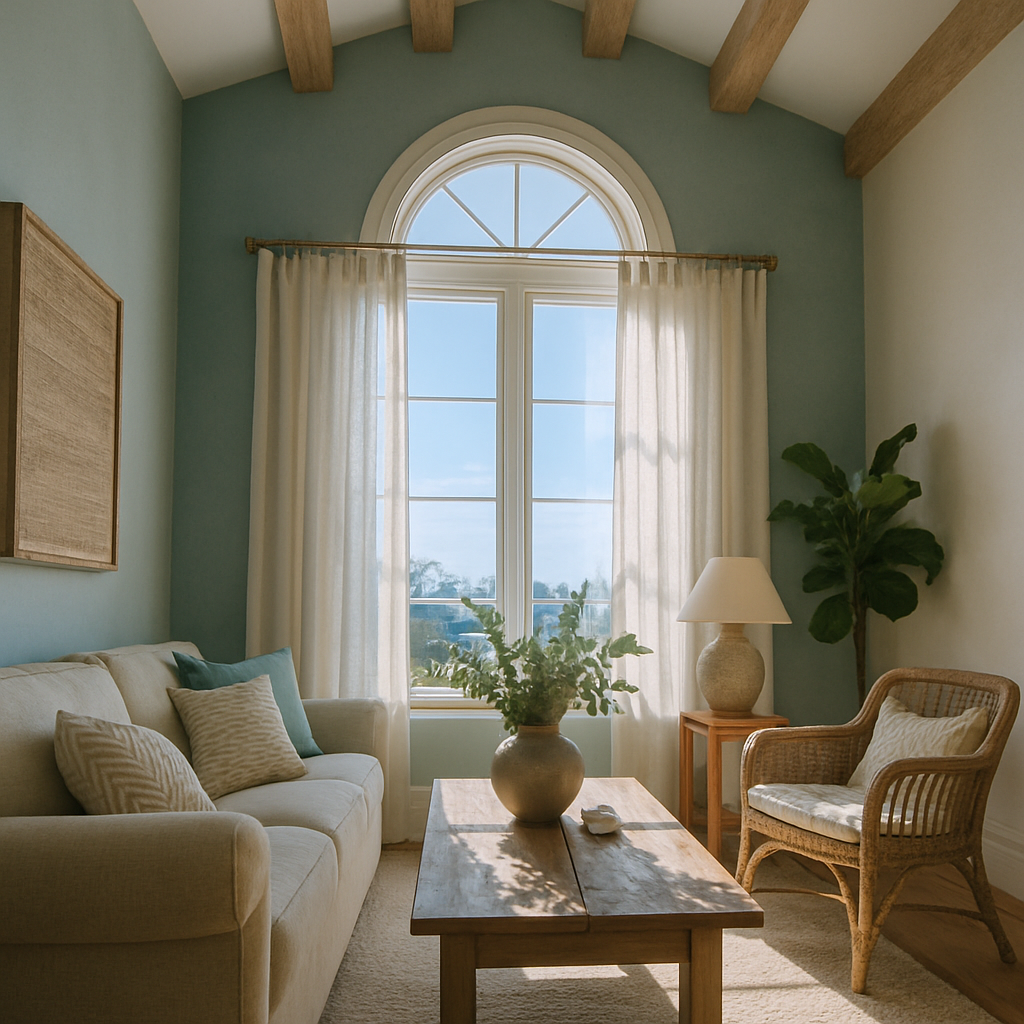
Have you ever walked into a room and felt an instant sense of calm and harmony? That's the magic of a well-designed space, and it's something a skilled interior designer can bring to your home. According to a survey by the American Society of Interior Designers (ASID), 78% of homeowners report greater satisfaction with their living spaces after consulting a professional designer. But how do you find the right interior designer to transform your home into a haven? In this guide, we'll explore critical factors such as credentials, budget considerations, and current design trends to help you make an informed decision.
Understanding the Role of an Interior Designer
Before you begin your search, it's essential to understand what an interior designer does and how they differ from decorators. Interior designers are professionals who not only beautify spaces but also enhance their functionality. They hold credentials such as the NCIDQ (National Council for Interior Design Qualification), ensuring their expertise in building codes, space planning, and ergonomics. Conversely, decorators may not have formal training or certification, focusing primarily on aesthetics.
Interior designers engage in a multifaceted process that includes concept development, design presentation, procurement, installation, and styling. Each phase requires a keen eye for detail and a deep understanding of materials and furnishings. Experienced professionals often note that a designer's ability to listen and translate a client's vision into reality is pivotal. This process requires both creativity and technical skills, making the choice of designer crucial to the success of your project.
Moreover, the distinction between a designer and a decorator can significantly impact your project's outcome and budget. Designers typically charge a flat fee, hourly rate, or a percentage of the project cost, which ranges from 10-25%. Understanding these differences will help you set realistic expectations and align your goals with the services offered. As we delve deeper, consider how these factors might influence your decision.
Evaluating Credentials and Experience
Credentials and experience are paramount when choosing an interior designer. According to the International Interior Design Association (IIDA), professionals with recognized certifications are more likely to meet industry standards and deliver quality results. Would you feel more confident working with a designer who has a proven track record and formal education in the field?
Look for designers who are members of professional organizations like the ASID or the American Institute of Architects (AIA). Membership in these organizations indicates a commitment to ongoing education and adherence to industry standards. Additionally, consider the designer's portfolio and client testimonials. A diverse portfolio showcasing a range of styles and successful projects can be a testament to their versatility and ability to fulfill your specific needs.
Beyond credentials, consider the designer's experience with projects similar to yours. Whether you're planning a single-room makeover or a full-home renovation, a designer with relevant experience will understand the nuances and challenges of your project. A seasoned designer can also navigate unforeseen issues, saving you time and money in the long run. With this foundation, let's explore how to align your style with a designer's vision.
Aligning Style and Vision
One of the most crucial steps in choosing the right interior designer is ensuring your styles align. Start by reviewing their portfolio, paying close attention to recurring themes and styles that resonate with you. Are you drawn to the clean lines of Japandi design or the organic feel of biophilic elements? A designer's previous work can offer insights into their aesthetic leanings and ability to adapt to various styles.
Communication is key when discussing your vision. Experienced professionals often note the importance of a designer's ability to listen and interpret a client's ideas accurately. During initial consultations, discuss your preferences, lifestyle, and any specific requirements. This dialogue is an opportunity to gauge the designer's understanding and creativity in translating your vision into a cohesive design plan.
Additionally, consider using tools like AR/VR visualization, often employed by designers, to preview how different styles and layouts will look in your space. This technology can bridge the gap between imagination and reality, ensuring you're aligned before the project begins. As we move forward, let's consider the practical aspects of budgeting and project management.
Budgeting and Project Management
Budgeting is a critical component of any interior design project. According to the annual Houzz survey, the average cost of a single-room redesign ranges from $5,000 to $15,000, while whole-home projects can exceed $150,000. Determining your budget early in the process will help you communicate effectively with potential designers and avoid unforeseen expenses.
Discuss the designer's fee structure during initial meetings. Most designers offer a combination of flat fees, hourly rates, and percentage-based fees. Understanding these options will allow you to choose a designer whose pricing aligns with your financial plan. Additionally, consider procurement markups on furniture and materials, which can add to the overall cost but often come with the benefit of designer discounts and exclusive access to trade-only suppliers.
Effective project management is also crucial. Ask potential designers about their approach to timelines, contractor coordination, and problem-solving strategies. A well-managed project not only stays on budget but also minimizes delays and disruptions. With your budget and management expectations clear, let's explore expert insights on leveraging design trends.
Incorporating Design Trends
Staying abreast of current design trends can elevate your project from ordinary to extraordinary. In 2026, trends such as quiet luxury and sustainable materials are gaining traction. Experienced designers have the expertise to incorporate these elements in a way that feels timeless rather than trendy. How might these trends enhance your living space?
The use of smart home integration is another trend that's becoming increasingly popular. Automated lighting, climate control, and window treatments not only add convenience but can also increase the efficiency of your home. A designer familiar with these technologies can seamlessly integrate them into your design, enhancing both functionality and aesthetic appeal.
Additionally, the concept of biophilic design-emphasizing natural materials and indoor-outdoor flow-continues to resonate with homeowners seeking tranquility and connection to nature. A designer who understands these trends can help you create a home that is both on-trend and personally meaningful. With trends in mind, let's consider the final steps before committing to a designer.
Making the Final Decision
After evaluating credentials, aligning styles, budgeting, and considering trends, you're ready to make a decision. Trust your instincts and consider how comfortable you felt during consultations. Did the designer listen, offer creative solutions, and demonstrate professionalism? A positive rapport is essential for a successful collaboration.
Request a detailed proposal outlining the project scope, estimated costs, timeline, and terms. Review this document carefully, ensuring it aligns with your expectations and budget. An open line of communication is critical, so ensure the designer is accessible and responsive to your questions and concerns.
Ultimately, the right designer should feel like a partner in your project. They should not only share your vision but also bring their expertise to elevate it. With a decision on the horizon, let's wrap up our discussion with actionable steps.
Conclusion
Choosing the right interior designer for your home is both an art and a science. By understanding their role, evaluating credentials, aligning styles, budgeting wisely, and leveraging trends, you can make an informed decision that enhances your living space. Are you ready to transform your home?
Start by browsing designer portfolios on Houzz or reaching out to professional organizations like the ASID or IIDA for recommendations. Even 20 minutes of research can sharpen your eye for what you want and set you on the path to creating a home that resonates with your personality and lifestyle. Take the leap and discover the potential of your space today.


Comments
Post a Comment