The Ultimate Guide to Choosing Colors for Modern Interior Design Success
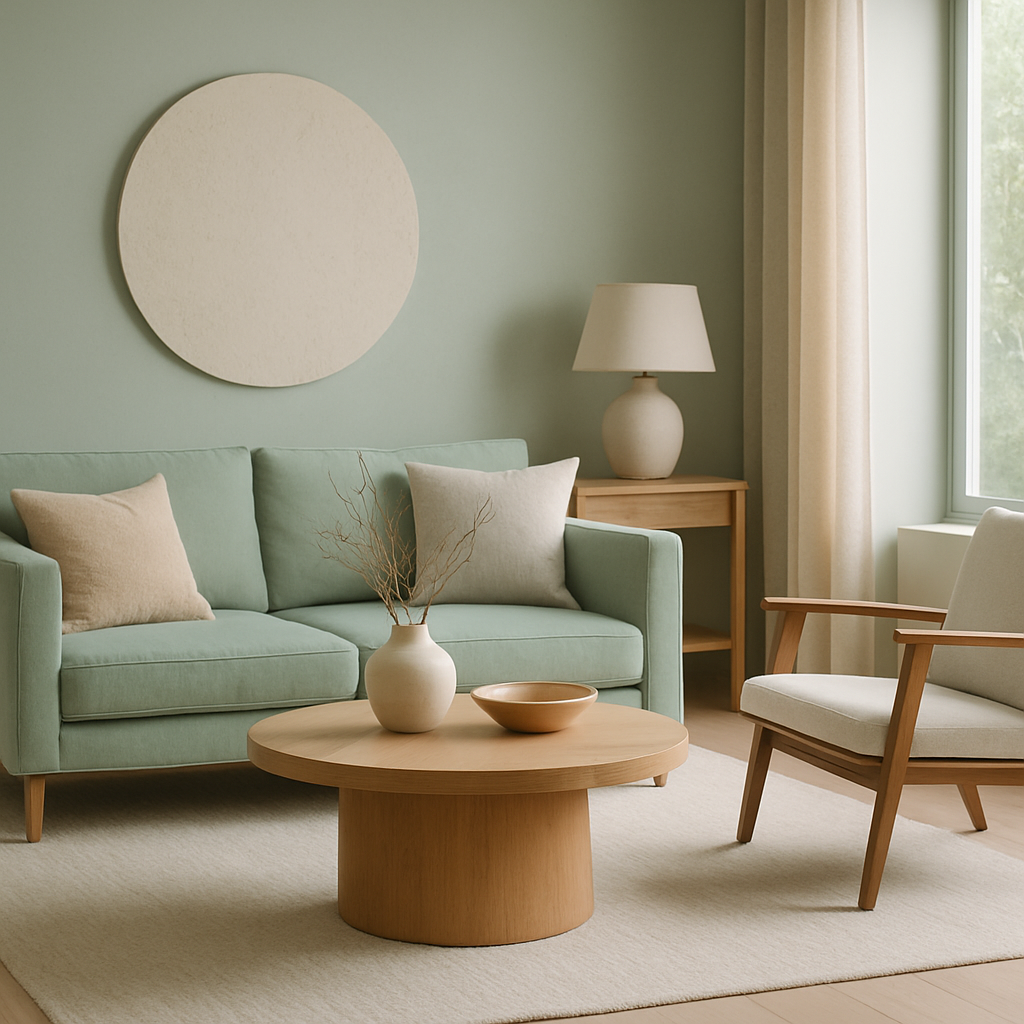
Have you ever walked into a room and felt instantly at ease? More often than not, it's the color scheme at play. According to Houzz's annual survey, 74% of homeowners believe color is a crucial element in interior design. However, choosing the right colors can be daunting. In this guide, we will delve into how to select colors that will not only enhance your space's aesthetic but also reflect your personality. From foundational color theories to expert-level tips, we'll explore how to achieve modern interior design success through strategic color choices.
Understanding Color Psychology
Color psychology is the study of hues as a determinant of human behavior. It is foundational in interior design, as colors can influence mood and perception. For instance, blues and greens tend to evoke calmness and tranquility, making them ideal for bedrooms or bathrooms. Conversely, reds and oranges can energize a space, making them suitable for kitchens or workout rooms. Understanding these basic principles allows you to align your color choices with the function of each room.
While some might choose colors based solely on personal preference, understanding the psychological impact of colors provides a deeper layer of intentionality. According to the American Society of Interior Designers (ASID), well-planned color schemes can significantly enhance a room's functionality. Consider how your spaces are used daily. Does your living room serve as a relaxation hub or a lively entertainment area? Matching your color palette to these functions can enhance your home's overall atmosphere.
Furthermore, cultural perceptions of color can vary significantly. For example, while white is associated with purity and cleanliness in many Western cultures, it is often linked with mourning in Eastern traditions. Experienced professionals often note that understanding these cultural nuances can be particularly important in multicultural households or when designing for international clients. By considering both psychological and cultural perspectives, you can make more informed decisions in your color selection.
Analyzing Current Color Trends
Staying informed about current design trends can guide your color decisions. In 2026, biophilic design, which emphasizes natural materials and colors, is gaining traction. This trend uses earth tones like rich browns and deep greens to create a seamless indoor-outdoor flow. Houzz data suggests that homeowners incorporating biophilic elements often report higher satisfaction rates with their renovations. Are you drawn to nature-inspired colors that bring the outside in?
Another prominent trend is 'quiet luxury,' focusing on understated elegance through muted, neutral palettes. Think soft grays, beiges, and taupes that exude sophistication without being ostentatious. According to Architectural Digest's AD PRO network, this approach can increase a property's resale value by 5-15%. If you're planning to sell your home, could this be the strategy to enhance its market appeal?
Smart home integration is yet another trend influencing color choices. As technology becomes more embedded in our living spaces, there's a shift towards colors that complement digital devices and sleek, modern furnishings. Designers often recommend shades of white or soft pastels that balance the futuristic feel of smart gadgets. By aligning your color scheme with these trends, you can ensure your home remains stylish and up-to-date.
Developing a Personal Color Palette
Creating a personal color palette involves more than just picking your favorite colors. Start by considering the emotional response you want each room to evoke. Use color psychology as a guide-do you want your bedroom to be a serene retreat or a vibrant space that invigorates? Additionally, take into account the natural light each room receives. North-facing rooms might benefit from warmer shades to counteract the cooler light, while south-facing spaces can handle cooler palettes.
Next, gather inspiration from various sources. Platforms like Instagram and Pinterest offer a plethora of visual examples. Following designers and trends that resonate with you can help refine your preferences. However, while inspiration is valuable, ensure your choices reflect your personality and lifestyle. Interiors should feel like home, not just a display from a design magazine.
Once you have a sense of direction, experiment with samples. Paint swatches and fabric samples allow you to test how colors interact with your space. Notice how they change throughout the day under different lighting conditions. Many designers suggest living with these samples for a week to observe how your feelings about them evolve. This step is crucial in avoiding costly mistakes and ensuring long-term satisfaction with your choices.
Expert-Level Insights on Color Coordination
For those seeking a more sophisticated approach, color coordination involves understanding color theory and using it to create harmony. The color wheel is a fundamental tool in this process. Complementary colors, which are opposite each other on the wheel, create high contrast and can make a room pop. Analogous colors, found next to each other, offer a more subtle, cohesive look.
Incorporating texture and pattern can also enhance your color scheme. According to the International Interior Design Association (IIDA), texture adds depth and interest, preventing a monochromatic palette from feeling flat. Think of adding tactile elements like a plush rug, woven throw, or textured wallpaper to enrich your color choices. Do these elements resonate with the tactile experiences you want in your home?
Finally, professional designers often recommend balancing bold and neutral colors. Bold colors can be used as accents through decor items, while neutrals serve as a backdrop. This balance ensures spaces remain visually engaging without overwhelming the senses. By applying these expert strategies, you can achieve a polished, professional look that reflects both style and substance.
The Role of Technology in Color Selection
Technology has revolutionized the way we approach color selection in interior design. Augmented Reality (AR) tools, like those offered by Sherwin-Williams, allow homeowners to visualize how different colors will appear in their spaces before making any commitments. These tools can save time and reduce the uncertainty associated with color changes. Have you tried any AR tools to help with your design decisions?
Additionally, virtual design consultations have become more accessible, allowing you to collaborate with designers remotely. This service provides professional guidance without the need for in-person meetings, offering flexibility and convenience. Platforms such as Decorilla and Modsy provide virtual consultations, giving you access to professional advice tailored to your preferences and space.
Smart home systems also play a role in color dynamics. Automated lighting can change the ambiance of a room, accentuating different aspects of your color scheme depending on the time of day or mood. By integrating these technologies, you can create a dynamic, adaptable environment that responds to your needs and preferences.
Final Considerations and Reflections
Choosing colors for modern interior design success involves a blend of psychology, trend awareness, personal preference, and technological tools. It's an intricate process that requires both creativity and strategic thinking. As you embark on this journey, remember that the ultimate goal is to create a space that feels authentic to you.
Reflect on how your chosen colors align with your lifestyle and the functionality of your spaces. Are the hues you've selected enhancing your daily experiences and contributing to your overall well-being? The right color choices can transform not just your home, but also how you live within it.
As you continue to explore and refine your color palette, remain open to experimentation and adaptation. Design is an evolving field, and your home should evolve with it. By embracing both current trends and timeless principles, you can create an environment that's both beautiful and enduring.
Conclusion
In conclusion, the path to mastering color in modern interior design is a multifaceted one, filled with opportunities for creativity and personal expression. By understanding the psychological effects of color, staying abreast of trends, and utilizing technological tools, you can craft spaces that are both functional and aesthetically pleasing. Now, take the first step towards your design goals by exploring color options on platforms like Pinterest or Houzz. Even a short session of browsing can ignite new ideas and clarify your vision. Start by browsing portfolios and experimenting with AR tools to see how different palettes might transform your home.



Comments
Post a Comment