The Ultimate Guide to Achieving Cozy Rustic Interiors on a Budget
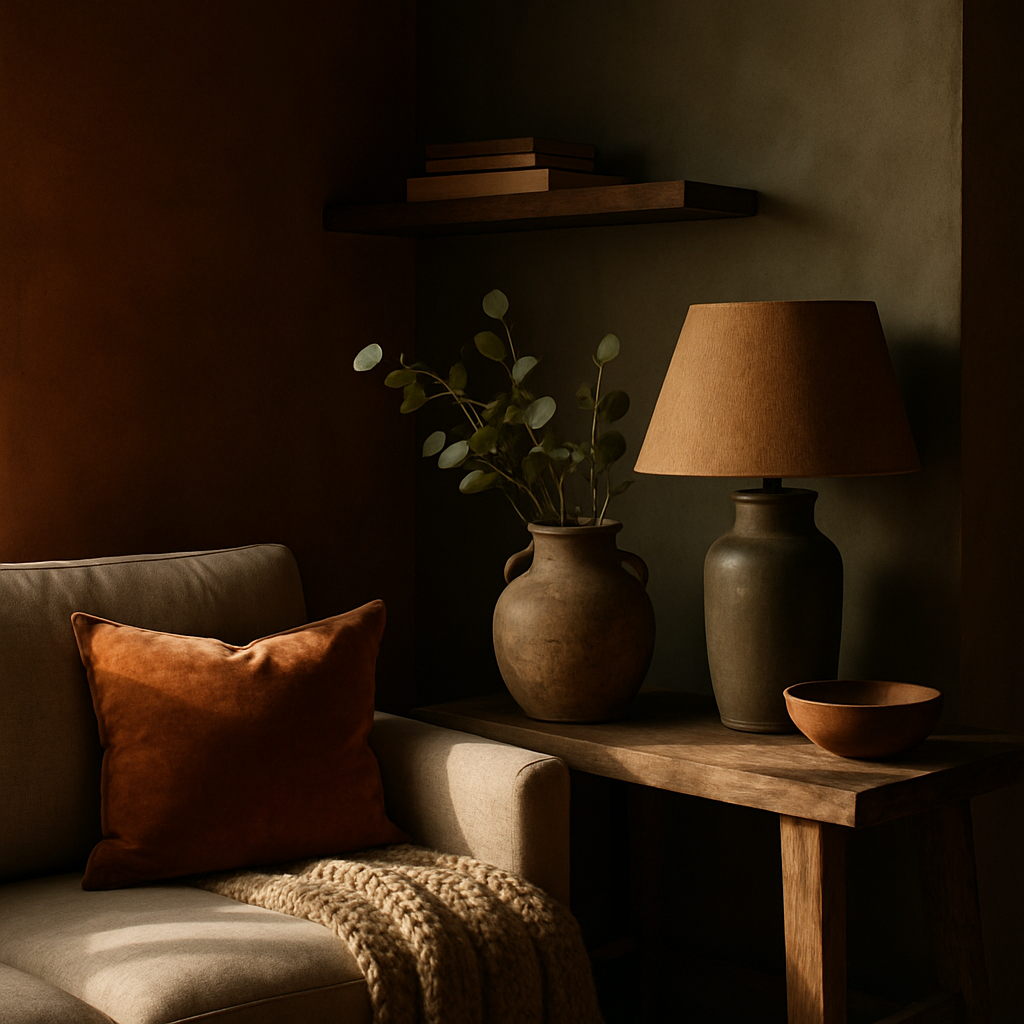
Imagine walking into a home that exudes warmth and comfort, where natural textures and earthy tones invite you to relax. The rustic interior design style, celebrated for its cozy and welcoming atmosphere, is more achievable than you might think-even on a tight budget. According to a recent Houzz survey, over 60% of homeowners are opting for rustic elements in their home renovations. This guide will explore how you can transform your space using rustic design principles without breaking the bank. We'll delve into foundational concepts, provide budget-friendly strategies, share expert insights, and offer actionable advice, ensuring your interior dreams become reality.
Understanding the Foundations of Rustic Design
At its core, rustic design is all about simplicity, beauty, and connection to the natural world. This style celebrates imperfections and exudes a sense of history, often incorporating elements like exposed wooden beams, stone accents, and vintage furniture. To capture the rustic essence, focus on using natural materials such as wood, stone, and metal. These materials not only add texture and depth but also provide a sense of durability and timelessness. You might wonder, where does one start? Begin by assessing your space and identifying areas where these materials can be incorporated.
Color plays a significant role in rustic interiors. Earthy tones like browns, greens, and muted reds dominate this palette, evoking the feeling of being one with nature. These colors can be introduced through wall paints, fabrics, or decorative elements like pottery and art. For instance, painting an accent wall in a rich forest green can instantly add depth and warmth to a room. Additionally, soft, natural lighting complements these hues, enhancing the cozy atmosphere. Consider using dimmable lights to control the ambiance and create a serene environment.
The integration of vintage or antique pieces is another hallmark of rustic design. These items bring character and a sense of history to the space. Look for second-hand markets or online platforms like Etsy to find unique pieces that fit your style and budget. Do you have a family heirloom or thrifted treasure? Incorporating such elements can add a personal touch, making your rustic interior truly unique. By understanding these foundational elements, you're ready to explore how to apply them effectively in your home.
Exploring Data on Cost-Effective Rustic Transformations
Creating a cozy rustic interior on a budget doesn't mean sacrificing quality or style. According to the American Society of Interior Designers (ASID), homeowners often spend between $5,000 to $15,000 on a single room redesign. However, many achieve stunning results for less by prioritizing key elements and shopping smart. For instance, focusing on high-impact areas like living rooms or kitchens can drive the most noticeable change without overextending your budget. A Houzz survey found that homeowners who strategically allocate funds to these spaces report higher satisfaction with their overall home design.
One effective strategy is to invest in a few statement pieces while sourcing other items more affordably. A reclaimed wood dining table, for instance, can serve as a focal point, drawing attention and setting the tone for the room. Meanwhile, accessories like cushions, throws, and small decor items can be sourced from budget-friendly retailers or DIY projects. The International Interior Design Association (IIDA) emphasizes the importance of balancing investment pieces with more economical finds to maintain both aesthetics and budget.
Data also suggests that sustainable practices are becoming increasingly popular in rustic design. By using reclaimed or upcycled materials, you not only save money but also contribute to environmental sustainability. Are you considering a renovation? Opt for suppliers that offer sustainable materials or explore local salvage yards for unique finds. This approach not only reduces costs but also adds an authentic, environmentally conscious touch to your home. With this data-driven perspective, you're equipped to make informed decisions as you plan your rustic transformation.
Actionable Strategies for Budget-Friendly Rustic Interiors
Now that you understand the basics, let's explore actionable strategies to achieve cozy rustic interiors on a budget. One of the most effective ways is through DIY projects. Creating your own decor not only saves money but also allows for personalization. For instance, you can transform old wooden pallets into rustic coffee tables or wall art. Numerous online tutorials are available to guide you through these creative processes, making it accessible even for beginners.
Another practical tip is to incorporate nature directly into your design. This can be as simple as foraging for branches, pinecones, or stones to use as decor elements. These natural items enhance the rustic feel and are completely free. Additionally, consider incorporating plants, which add life and color to any space. Hanging plants or small potted herbs can be both decorative and functional, contributing to the biophilic design trend that emphasizes harmony with nature.
Shifting focus to textiles, opt for materials like linen, burlap, and cotton. These fabrics are not only affordable but also align with the rustic aesthetic. You might find that repurposing old fabric into cushion covers or curtains can refresh a room without significant expense. Remember to play with different textures and patterns to add interest and depth to your design. By implementing these strategies, you'll be well on your way to achieving a cozy rustic interior without stretching your budget.
Expert Insights for a Professional Rustic Look
Experienced professionals often note that achieving a cohesive rustic interior requires careful planning and a keen eye for detail. One key insight is to focus on the balance between old and new. Incorporating modern amenities alongside rustic elements can enhance functionality while maintaining aesthetic appeal. For example, smart home technology can be subtly integrated with rustic lighting fixtures or thermostats, preserving the design's integrity while offering convenience.
According to the National Council for Interior Design Qualification (NCIDQ), a gold-standard credential for interior designers, layering is a technique that can significantly enhance the rustic appeal. This involves combining various textures and materials to create depth and warmth. An example could be layering a plush wool rug over a jute one, or grouping different wood tones in furniture and accents. The key is to maintain a cohesive color palette while experimenting with textures.
Lighting is another critical component. Professionals recommend using a mix of lighting sources to create a warm, inviting atmosphere. Consider pendant lights with Edison bulbs for a vintage feel, complemented by floor lamps or candles for softer lighting. This approach not only enhances the rustic ambiance but also allows for flexibility in setting the mood. By incorporating these expert insights, your rustic interior will not only look professional but also feel authentically welcoming. Ready to dive deeper? Let's explore additional details that can elevate your design.
Additional Details to Elevate Your Rustic Design
To further elevate your rustic design, consider the role of architectural details. Elements such as exposed beams, shiplap walls, or stone fireplaces can serve as stunning focal points in a room. If your home lacks these features, faux alternatives are available that mimic the look at a fraction of the cost. According to Architectural Digest's AD PRO network, these faux materials are increasingly popular for their affordability and ease of installation.
Another effective way to enhance your rustic interior is through art and accessories. Consider sourcing artwork that complements your color palette and design theme. Rustic interiors benefit from art that reflects nature or historical themes, such as landscapes or vintage portraits. Accessories like woven baskets, ceramic pots, and metal lanterns can add character and complement the rustic vibe. Are you an art enthusiast? Local artisans or online marketplaces like Etsy offer unique pieces that can become conversation starters.
Finally, don't overlook the power of scent in creating a cozy atmosphere. Scented candles or essential oil diffusers with fragrances like cedarwood, pine, or cinnamon can enhance the rustic ambiance. These scents evoke a sense of warmth and comfort, completing the sensory experience of your interior. With these additional details, your rustic design will not only be visually appealing but also engage all the senses. As we conclude, let's reflect on the key takeaways and next steps for your design journey.
Final Perspectives on Crafting Rustic Interiors
Crafting a cozy rustic interior is a journey that blends creativity, resourcefulness, and personal expression. While it may seem daunting at first, the strategies and insights shared in this guide offer a clear path forward. By focusing on natural materials, vintage elements, and thoughtful details, you can create a space that feels both timeless and inviting. Remember, the goal is not perfection but rather a home that reflects your personality and lifestyle.
As you embark on this design project, consider the importance of patience and flexibility. Design is an evolving process, and allowing your space to develop over time can lead to more authentic results. Are there aspects of your design that you want to experiment with? Perhaps try rearranging furniture, swapping out accessories, or introducing new textures to see what resonates best with you. This adaptive approach will ensure that your rustic interior remains fresh and aligned with your evolving tastes.
In conclusion, achieving a cozy rustic interior on a budget is entirely possible with the right approach and mindset. By applying the foundational concepts, data-driven insights, and expert strategies discussed here, you'll be well-equipped to transform your home into a warm, inviting space. Ready to take action? Start by browsing portfolios on Houzz or Instagram this week. Even 20 minutes of research will sharpen your eye for what you want, bringing you one step closer to your dream rustic home.


Comments
Post a Comment