The Psychology of Space: How Office Interior Design Boosts Employee Productivity
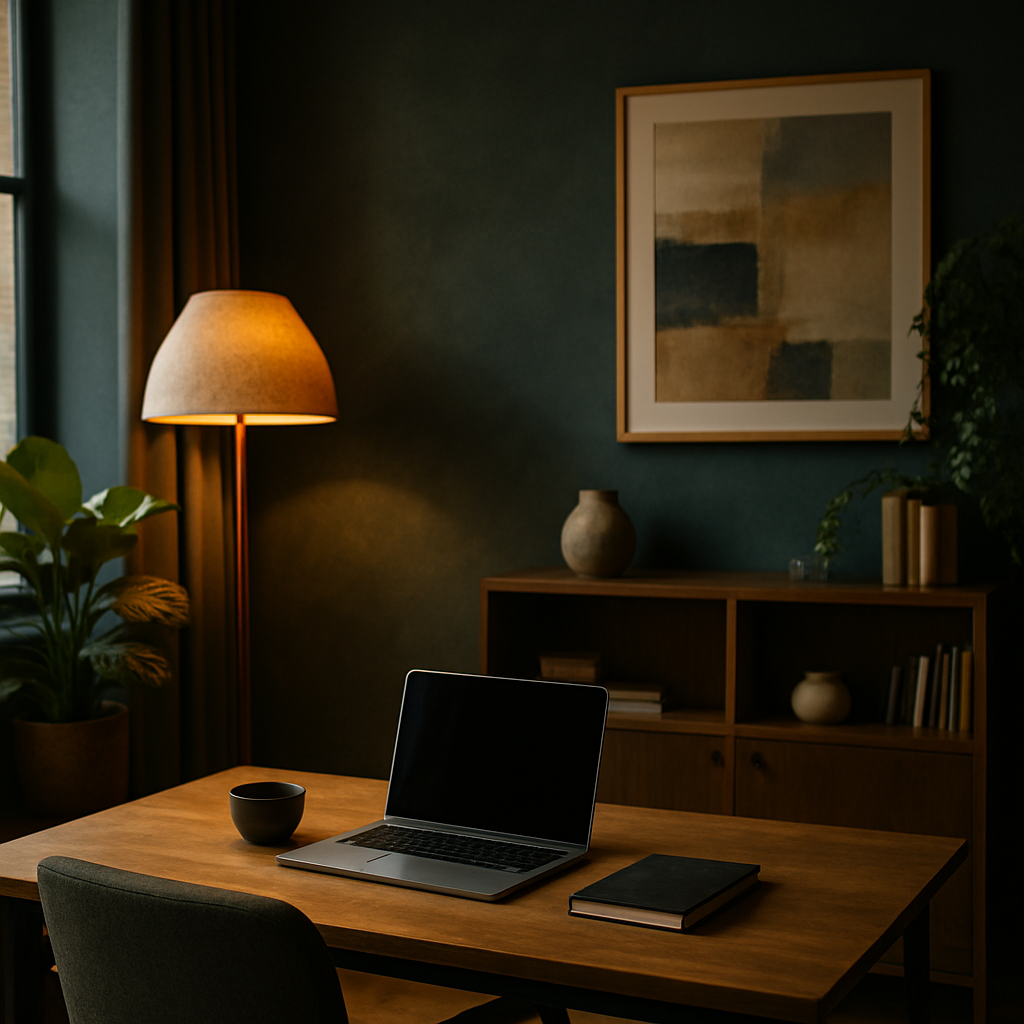
Imagine walking into an office that feels like a haven of productivity-natural light flooding the room, ergonomic furniture arranged thoughtfully, and colors that inspire focus. According to a study by the Leesman Index, 78% of employees believe that office design impacts their productivity. This statistic underscores the vital role that the psychology of space plays in workplace efficiency. In this article, we will explore how office interior design can boost employee productivity by diving into foundational concepts, examining relevant data, offering actionable strategies, and providing expert-level insights. By the end, you'll understand how to transform an office into a productivity powerhouse.
Understanding the Psychological Foundations
At the core of effective office design is the understanding of how spatial arrangements affect psychological well-being. The concept of biophilic design-integrating natural elements into the workspace-has been shown to reduce stress and increase productivity. The American Society of Interior Designers (ASID) highlights that incorporating natural elements can lead to a 15% increase in well-being and creativity. For instance, placing plants strategically around the office not only beautifies the space but also purifies the air, providing a healthier environment for employees.
Color psychology is another crucial aspect. Different hues can evoke various emotional responses; blue tones are known to boost focus, while greens can induce calmness. A study published in the Journal of Environmental Psychology found that environmental colors significantly affect mood and cognitive function. Therefore, choosing the right color palette is essential in designing a workspace that enhances productivity. Have you considered how the colors in your office might be affecting your team's performance?
Moreover, the layout of an office can influence how employees interact and work. Open layouts encourage communication and collaboration but may also lead to distractions. On the other hand, private workstations can enhance focus but might inhibit spontaneous collaboration. Striking a balance is key, and understanding these foundational concepts allows for strategic planning of your office space. As we delve into the next section, we'll explore data-driven insights that validate these psychological principles.
Data-Driven Insights into Office Design
According to research conducted by the International Interior Design Association (IIDA), well-designed office spaces can lead to a 20% increase in productivity. This is a significant figure that highlights the importance of intentional design choices. The study also noted that employees in aesthetically pleasing environments report higher job satisfaction, which directly correlates to increased output. These insights demonstrate that investing in office design is not just about aesthetics but also about maximizing efficiency and morale.
Another compelling data point comes from a survey by Houzz, which found that companies investing in modern office designs experience a 12% decrease in absenteeism. This statistic suggests that a thoughtfully designed space can contribute to employee health and well-being, reducing the likelihood of burnout and sick days. For example, ergonomic furniture that supports posture and reduces strain can prevent common workplace injuries, keeping employees healthy and present.
Furthermore, the integration of smart technology in office design is gaining traction. Automated lighting and climate control systems create a comfortable environment that adapts to the needs of employees throughout the day. According to a study by the American Institute of Architects (AIA), smart technology can lead to a 30% reduction in energy costs while enhancing employee comfort. As we proceed, we'll explore practical strategies you can implement to harness these data-driven insights effectively.
Implementing Actionable Design Strategies
To translate these insights into action, start by assessing your current office layout. Experienced professionals often note that mapping the flow of movement and interaction in your office can uncover pain points and opportunities for improvement. Consider whether your office encourages collaboration or if there are bottlenecks that hinder communication. By rearranging furniture or creating designated zones for different activities, you can optimize the space for productivity.
Incorporating flexible workspaces is another effective strategy. Providing options like hot desks, quiet zones, and collaborative areas caters to diverse work preferences and tasks. According to industry consensus, flexibility in the workplace not only boosts productivity but also enhances employee satisfaction and retention. Think about how a flexible workspace might benefit your team's dynamics and output.
Don't overlook the importance of lighting. Natural light is a powerful productivity booster, with research showing it can increase alertness and improve mood. If natural light is scarce, consider investing in high-quality artificial lighting that mimics daylight. This can create a more inviting and energizing workspace. As we shift to expert insights, consider how these strategies can be tailored to your specific office environment.
Expert Insights: Tailoring Design to Your Needs
When it comes to crafting a productive office environment, certified interior designers bring a wealth of expertise. Professionals with credentials like the NCIDQ (National Council for Interior Design Qualification) understand the nuances of space planning and ergonomics. They can offer tailored solutions that align with both aesthetic preferences and functional requirements. Hiring a certified designer ensures a level of professionalism and adherence to industry standards that can significantly impact the success of your office redesign.
Experts also emphasize the role of acoustics in office productivity. Poor sound management can lead to distractions and decreased concentration. Incorporating sound-absorbing materials, such as acoustic panels or carpeting, can mitigate noise levels. The American Institute of Architects (AIA) suggests that designing soundscapes in offices can enhance focus and reduce stress, ultimately fostering a more productive work environment.
Additionally, experienced designers often leverage technology like AR/VR room visualization tools to preview design changes before implementation. This allows for a collaborative design process, enabling employees to provide feedback and feel invested in the transformation. As we move into further depth, consider how expert advice might guide your office design decisions.
Diving Deeper: Considering Additional Factors
While aesthetics and layout are crucial, don't overlook the importance of air quality and temperature control. Studies have shown that poor indoor air quality can significantly reduce cognitive function, affecting productivity. Incorporating air purifiers and ensuring proper ventilation can create a healthier workspace. The Environmental Protection Agency (EPA) notes that maintaining optimal indoor air quality is a key factor in promoting health and productivity.
Temperature control is equally important. A study by Cornell University found that employees working in a comfortable room temperature (around 71°F) were more productive and made fewer errors. Investing in a reliable HVAC system that maintains consistent temperatures can thus enhance work performance. How does your current office environment measure up in terms of air quality and temperature?
Moreover, sustainable design choices are becoming increasingly important. Using eco-friendly materials and energy-efficient lighting not only reduces your carbon footprint but also appeals to environmentally conscious employees. Houzz reports that sustainable offices improve brand reputation and employee pride, which can translate into increased productivity. As we approach the conclusion, reflect on how these additional factors might influence your office design strategy.
Final Perspectives on Office Design and Productivity
As we have seen, the psychology of space plays a pivotal role in shaping employee productivity. By understanding the psychological underpinnings of design, leveraging data-driven insights, and implementing tailored strategies, you can create an office environment that fosters efficiency and well-being. From flexible workspaces to smart technology, every design choice contributes to a holistic approach that maximizes productivity.
Consider how these insights apply to your own office space. Are there areas where you can make immediate improvements? By taking a proactive approach to design, you can transform your office into a space that not only meets the needs of your employees but also propels your organization toward success. In the conclusion, we'll summarize our findings and offer a clear call to action.
Conclusion
In conclusion, the psychology of space is a powerful tool in boosting employee productivity. By applying the concepts of biophilic design, color psychology, and strategic layout planning, you can create an office environment that enhances focus and creativity. The data supports these strategies, showing clear benefits to productivity and well-being. Now is the time to take action. Start by assessing your current office design and identifying areas for improvement. Consider consulting with a certified interior designer to ensure a professional approach that aligns with industry standards.
Ready to take the first step? Begin by browsing designer portfolios on platforms like Houzz and ASID this week. Even dedicating just 20 minutes to research can sharpen your eye for what you want in your office redesign. Transforming your workspace can be the catalyst for increased productivity and employee satisfaction. Are you prepared to make the change?



Comments
Post a Comment