The Psychology of Color in Office Interior Design: Create a Motivating Space
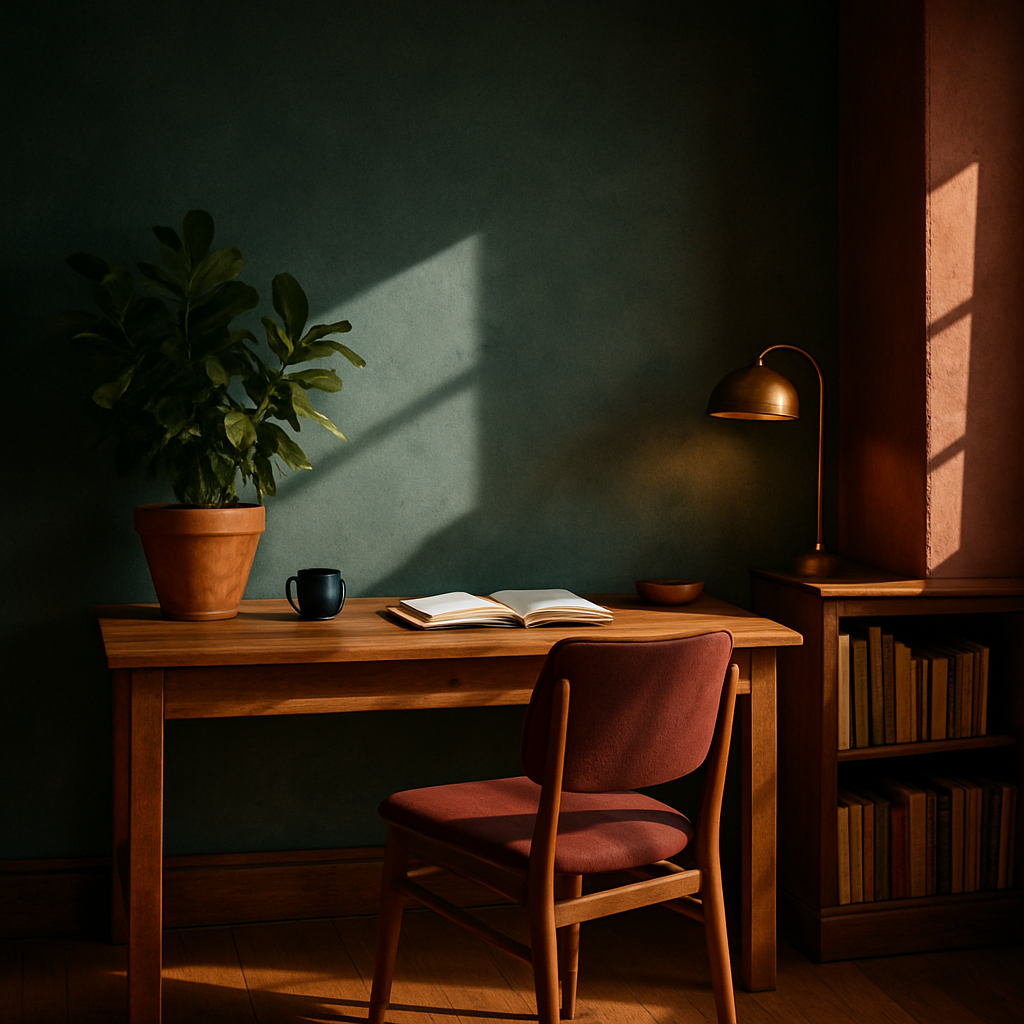
Imagine stepping into an office that instantly energizes you, boosting your creativity and productivity. Could the secret ingredient be the colors surrounding you? The psychology of color in office interior design is more than just choosing a favorite hue; it's about strategically selecting colors that influence mood, behavior, and efficiency. According to the American Society of Interior Designers (ASID), the right color palette can significantly affect workplace productivity. This article explores the foundational concepts of color psychology, dives into data-backed insights, and provides actionable strategies for creating a motivating workspace. By the end, you'll not only understand the impact of color but also how to apply it expertly in your office.
Understanding the Basics of Color Psychology
Color psychology is a fascinating field that examines how different colors affect human emotions and behaviors. At its core, it's about understanding the subconscious impact colors have on how we think and feel. For instance, blue is often associated with calmness and focus, making it an ideal choice for spaces requiring concentration. Conversely, red is known for its ability to energize and stimulate, which can be advantageous in environments that demand physical activity or creative brainstorming.
When you enter a room, your brain processes color before it registers any other details. This immediate reaction can set the tone for the entire experience within that space. The National Council for Interior Design Qualification (NCIDQ) highlights that even subtle changes in color shades can alter the perceived temperature of a room, affecting comfort levels. For example, warmer hues like yellows and oranges can make a space feel more inviting and cozy.
It's essential to consider the psychological implications of color in office design because it can directly impact employee satisfaction and performance. A well-thought-out color scheme can reduce stress, enhance creativity, and improve overall morale. As we delve deeper into the topic, we'll explore specific colors and their effects, providing you with the knowledge to make informed design choices.
The Impact of Color Choices: Data and Insights
Research into color psychology provides valuable insights into how different hues can influence productivity and well-being. According to a study by the International Interior Design Association (IIDA), offices that incorporate certain colors see a measurable improvement in employee performance. For example, green, often associated with nature and tranquility, can reduce eye strain from prolonged screen time and promote a sense of balance and refreshment.
Further data from Houzz's annual survey indicates that 75% of employees believe their productivity improves in aesthetically pleasing environments. This statistic underscores the importance of thoughtful color selection in office design. Incorporating colors like blue and green can help foster a productive atmosphere, while pops of red or yellow can inspire creativity and energy when used as accents.
However, it's important to strike a balance. Overuse of vibrant colors can lead to overstimulation and distraction, while overly neutral tones might dampen enthusiasm. Achieving the right mix requires understanding the specific needs and functions of your workspace. In the next section, we'll discuss actionable strategies for implementing these insights into your office design.
Actionable Strategies for Color-Infused Office Design
Ready to transform your office into a hub of motivation and productivity? Start by assessing the purpose of each room and selecting colors that align with its function. For instance, a brainstorming area might benefit from vibrant yellows and oranges to spark creativity, while a meeting room could utilize calming blues to foster focus and clear communication.
Incorporating accent walls is an effective way to introduce color without overwhelming the space. By painting just one wall in a bold hue, you can create a focal point that energizes the room. Experienced professionals often note that using complementary colors can enhance visual interest and create a cohesive look. Consider how different shades can interact and complement the existing design elements in your office.
Another strategy is to integrate color through furniture and accessories. Chairs, rugs, and artwork are excellent avenues to introduce color without permanent changes. This approach offers flexibility, allowing you to update the look as needed. Are you ready to experiment with color in your workspace? Identifying your goals and selecting colors that support them is the first step toward creating an inspiring environment.
Expert Insights on Implementing Color Psychology
Implementing color psychology in office design requires a nuanced understanding of both aesthetics and functionality. Certified interior designers, particularly those with NCIDQ credentials, emphasize the importance of aligning color choices with organizational goals and employee needs. A well-designed office should reflect the company's brand identity while also considering the well-being of its employees.
One advanced technique is to employ color zoning, where different sections of the office are painted in specific colors to indicate their purpose. For example, a zone for collaborative work might use stimulating colors like red or orange, while solo work areas could adopt softer hues like blue or green. This method not only enhances the visual appeal but also subtly guides behavior and interaction.
Furthermore, technology such as AR/VR room visualization tools allows you to experiment with different color schemes before committing. These tools provide a realistic preview of how colors will look in your space, enabling informed decision-making. By leveraging technology and expert advice, you can create a workspace that truly motivates and supports your team.
Additional Considerations for a Motivating Office
While color is a critical component, it's important to consider other design elements that contribute to a motivating office environment. Lighting, for instance, plays a significant role in how colors are perceived. Natural light enhances colors, making them appear more vibrant, while artificial lighting can alter hues. Combining the right lighting with your color scheme can maximize the impact of your design choices.
Additionally, consider the physical layout of your space. An open-plan design can benefit from strategic color placement to define different areas without the need for walls. This approach not only maintains an open feel but also introduces color in a way that enhances functionality.
How often do you reflect on the atmosphere your office creates? Regularly evaluating your space and making adjustments ensures it continues to meet the evolving needs of your team. In the final section, we'll wrap up with some concluding thoughts and actionable next steps.
Final Perspectives on Color and Office Design
The intersection of color psychology and office interior design presents an opportunity to create spaces that are not only visually appealing but also conducive to productivity and well-being. By understanding the psychological effects of color, you can tailor your office environment to support the specific tasks and moods you aim to cultivate.
As you embark on your office redesign, remember that color is a powerful tool in your design arsenal. Consider the unique characteristics of your team and the tasks they perform when selecting your color palette. Even small changes can have a significant impact, enhancing creativity, focus, and overall satisfaction.
Ultimately, the goal is to create a workspace that motivates and inspires. The choices you make today can positively influence the day-to-day experiences of everyone who enters your office. Are you ready to harness the power of color in your interior design strategy?
Conclusion: Take the First Step Toward a Motivating Office
The psychology of color in office interior design offers a wealth of opportunities to create a motivating and productive space. By strategically selecting colors that align with the functions and goals of your office, you can significantly enhance the work environment. From understanding foundational concepts to implementing expert strategies, the knowledge you've gained can transform your office into a space that truly motivates.
To get started, explore designer portfolios on Houzz or consult with a certified interior designer to refine your color strategy. Start by browsing portfolios on Houzz this week - even 20 minutes of research will sharpen your eye for what you want. Embrace the power of color and watch as it transforms not only your office but also the productivity and morale of your team.



Comments
Post a Comment