The Psychology Behind Minimalist Interior Design: Creating Calm and Clarity in Your Home
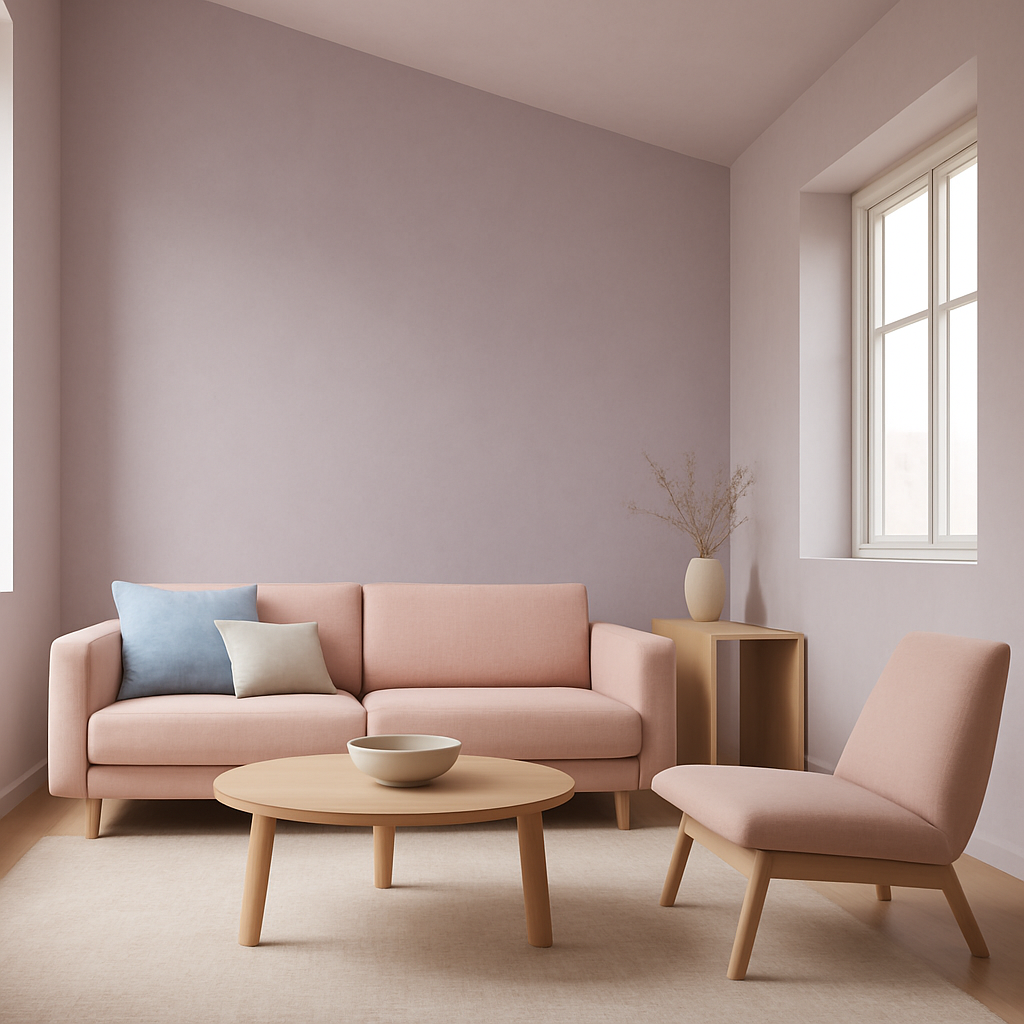
Have you ever walked into a room and instantly felt your stress levels drop? This transformative power of space is no accident. In recent years, minimalist interior design has gained prominence for its ability to foster a sense of calm and clarity. The psychology behind minimalist design is rooted in the idea that a clutter-free environment promotes mental well-being and focus. This article will explore the foundational concepts of minimalist design, delve into the deeper psychological impacts, and offer actionable strategies to help you transform your home into a serene retreat. We'll also provide expert insights and additional depth into the minimalist movement, ensuring you have a comprehensive understanding of how to embrace this style effectively.
Understanding the Basics of Minimalist Design
Minimalist interior design is defined by its simplicity, clean lines, and a monochromatic palette with color used as an accent. The fundamental principle is to pare down to the essentials, offering a clear space that promotes tranquility. This design philosophy aligns closely with the concept of "less is more," championed by architect Ludwig Mies van der Rohe. The minimalist movement began in the late 20th century, drawing from Japanese Zen principles and Scandinavian design, which emphasize functionality and simplicity.
One of the key elements of minimalist design is functionality. Every piece of furniture and decor must serve a purpose, either practical or aesthetic. This approach not only reduces clutter but also highlights the beauty of individual items. For instance, a well-placed, high-quality sofa can serve as a focal point in a room, eliminating the need for excessive decorative elements. How does your current space measure up in terms of functionality and simplicity?
Another important aspect is the use of space and light. Minimalist interiors often feature open floor plans and natural light to create a sense of airiness. This design strategy not only enhances the aesthetic appeal but also contributes to a more positive mood and increased productivity. As you assess your own home, consider how you might leverage natural light and openness to enhance your living space. Transitioning from the basics, let's explore how minimalist design impacts mental health.
The Psychological Impact of Minimalist Spaces
Minimalism is more than an aesthetic choice; it has profound psychological benefits. According to research from the University of California, Los Angeles, a cluttered home environment can lead to increased levels of cortisol, the stress hormone. Conversely, minimalist spaces can reduce anxiety and enhance focus. The absence of clutter allows the mind to relax, which is crucial for mental clarity and reduced stress.
Incorporating minimalist design into your home can also foster a sense of control and discipline. When your environment is organized and free from unnecessary items, it reflects a state of order that can translate into other areas of your life. This sense of control can enhance your ability to manage tasks efficiently and improve overall well-being. Have you noticed a difference in your productivity or stress levels when in a tidy versus a cluttered space?
Moreover, minimalist spaces often encourage mindfulness. By emphasizing simplicity and intentionality, minimalism allows individuals to focus on the present moment. This is particularly beneficial in today's fast-paced world, where distractions are rampant. The next section will provide you with practical steps to incorporate these principles into your home.
Practical Strategies for a Minimalist Home
Creating a minimalist home doesn't require a complete overhaul. Start by decluttering one room at a time, focusing on removing items that do not serve a purpose or bring joy. Marie Kondo's method of asking whether an item "sparks joy" is a popular strategy for deciding what to keep. This process not only clears physical space but can also provide a sense of emotional release.
Next, consider investing in multifunctional furniture, such as a sofa bed or a coffee table with storage. These pieces optimize space and maintain the clean lines essential to minimalist design. Houzz, a leading platform for home remodeling and design, offers numerous examples of multifunctional furniture that can inspire your own space planning.
Another effective strategy is to utilize a neutral color palette. Whites, grays, and beiges create a calming backdrop, allowing for accent colors to add interest without overwhelming the senses. This color scheme is a hallmark of the Japandi style, which combines Japanese minimalism with Scandinavian warmth. As you make these changes, consider how they contribute to a more serene and focused living environment. Let's delve even further into expert insights on executing minimalist design.
Expert Insights on Minimalist Design Execution
Experienced professionals often note that successful minimalist design is about balance. It's not just about what you remove but also about what you choose to include. According to the American Society of Interior Designers (ASID), a well-executed minimalist space should feel curated and intentional. This means selecting high-quality items that reflect your personal style and values.
Another critical aspect is understanding the role of texture and materials in minimalism. While the aesthetic may be simple, incorporating varied textures-such as a wool rug or a leather couch-can add depth and interest without clutter. The use of sustainable and reclaimed materials is a growing trend, aligning with both minimalist and eco-conscious values. How can you incorporate different textures to add richness to your minimalist space?
The integration of technology is another area where minimalist design is evolving. Smart home systems can streamline daily tasks, allowing for an even more clutter-free environment. Automated lighting and climate control systems can be both practical and discreet, enhancing the functionality of a minimalist home. With these expert insights, you're well on your way to mastering minimalist design. Let's explore additional depth in the next section.
Exploring Additional Depth in Minimalism
Minimalism is not a one-size-fits-all approach. It requires personal adaptation to fit your lifestyle and needs. For instance, families might find it challenging to maintain a minimalist space due to the abundance of children's items. In such cases, implementing smart storage solutions, like built-in cabinetry or modular shelving, can help manage clutter while maintaining a minimalist aesthetic.
Furthermore, the minimalist approach can extend beyond the physical space to influence lifestyle choices. Minimalism encourages a mindset of intentional living-prioritizing quality over quantity, and experiences over possessions. This shift can lead to a more fulfilling life, as it prompts individuals to focus on what truly matters to them.
According to Houzz's annual survey, homeowners who embrace minimalist design report higher satisfaction levels with their living spaces. This is likely due to the increased sense of calm and clarity that these environments provide. As you reflect on your own space, consider how adopting a minimalist mindset can enhance not just your home, but your overall lifestyle. Let's wrap up with final perspectives on the benefits of minimalist design.
Final Perspectives on Minimalist Design
The journey toward a minimalist home is as much about self-discovery as it is about design. It challenges you to evaluate your relationships with your belongings and encourages you to live more intentionally. Are you ready to embrace this transformative approach to interior design?
One of the most compelling aspects of minimalism is its timelessness. Unlike fleeting design trends, minimalism's focus on simplicity and functionality ensures its longevity. This makes it an attractive option for those looking to create a lasting, impactful space. The emphasis on quality and sustainability also means that a minimalist home can be both beautiful and environmentally friendly.
As you venture further into the world of minimalist design, remember that the goal is to create a home that reflects peace and clarity. With the insights and strategies provided, you're well-equipped to start your minimalist journey. The following conclusion will tie everything together and offer a clear call to action.
Conclusion: Embrace the Calm and Clarity of Minimalism
Minimalist interior design offers more than just aesthetic appeal; it provides a pathway to a clearer, calmer mind. By understanding the psychology behind minimalism and employing the strategies discussed, you can transform your home into a sanctuary of simplicity and focus. Remember, the key to successful minimalist design lies in intentionality and balance.
Start your minimalist transformation by tackling one room this week. Begin with decluttering, then explore multifunctional furniture and neutral color schemes. As you progress, consider integrating smart home technologies to enhance your minimalist space. For further inspiration, browse designer portfolios on platforms like Houzz and Pinterest. Even 20 minutes of research can spark new ideas and refine your vision.
Your journey to a minimalist home starts now. Embrace the calm and clarity that comes with this transformative design approach, and enjoy the benefits of a well-curated, peaceful living environment.


Comments
Post a Comment