The Impact of Sustainable Materials on Modern Interior Design Trends
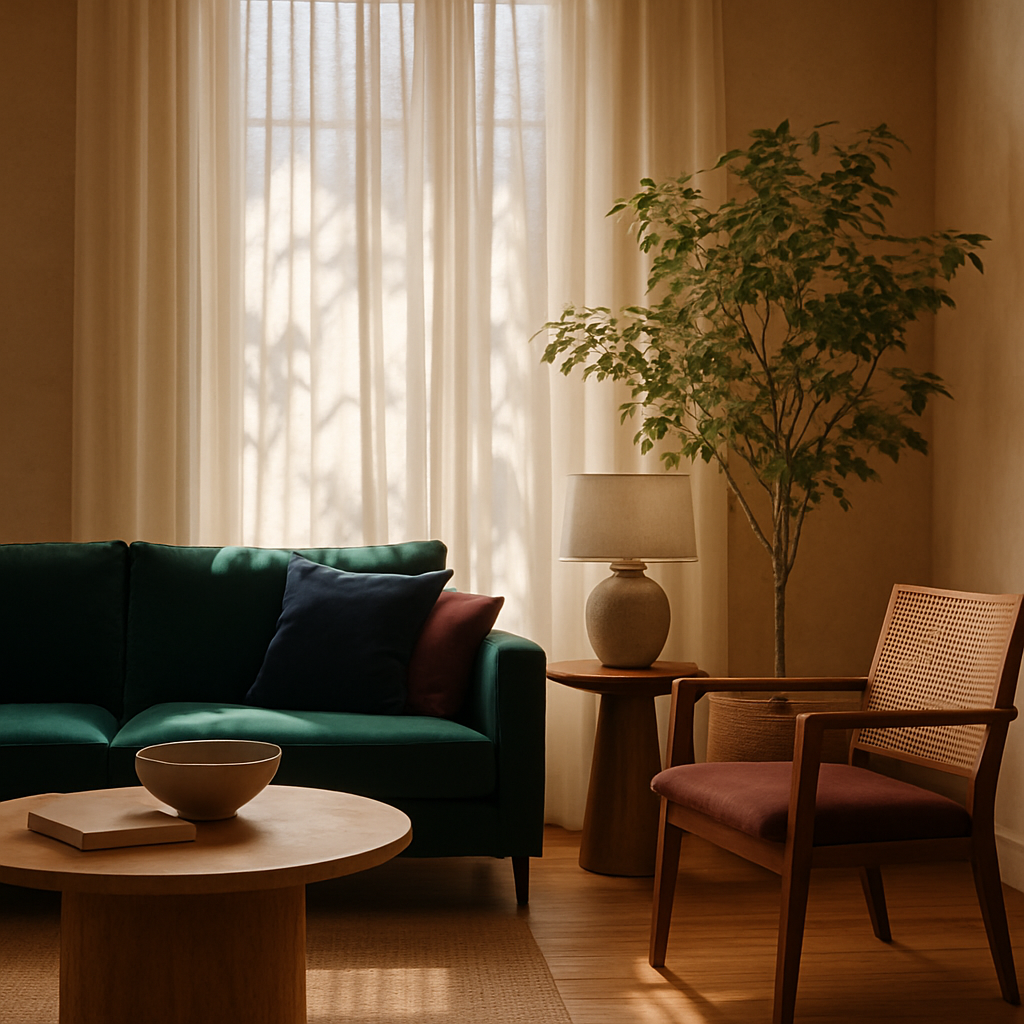
Have you ever wondered how your design choices affect the environment? With the rise of sustainable materials in interior design, more homeowners are recognizing the environmental and aesthetic benefits of going green. Industry surveys suggest that implementing eco-friendly materials can not only reduce your carbon footprint but also increase your home's resale value by up to 15%. In this article, we'll explore how sustainable materials are influencing modern interior design trends, delve into the data behind these changes, and provide actionable strategies for incorporating these elements into your own space. Whether you're planning a single-room refresh or a whole-home redesign, understanding the role of sustainability in design is crucial.
The Foundation of Sustainable Design
Sustainability in interior design isn't just a passing trend; it's a foundational shift in how spaces are created and lived in. At its core, sustainable design focuses on reducing waste and minimizing environmental impact by using materials that are replenishable and non-toxic. According to the American Society of Interior Designers (ASID), sustainable materials include everything from bamboo and cork to recycled metals and glass. These materials are not only kinder to the planet, but they also offer unique textures and aesthetics that enhance the visual appeal of a space.
One of the driving forces behind the adoption of sustainable materials is the growing awareness of climate change and the need for more responsible consumption. The International Interior Design Association (IIDA) highlights the importance of selecting materials that have a lower environmental impact throughout their lifecycle-from production and transportation to installation and disposal. For instance, opting for locally sourced materials can significantly reduce the carbon footprint of a project by minimizing transportation emissions.
Additionally, sustainable materials often come with the benefit of improved indoor air quality. Many conventional building materials release volatile organic compounds (VOCs) that can be harmful over time. In contrast, eco-friendly options like low-VOC paints and finishes contribute to a healthier indoor environment. This emphasis on health and well-being aligns with the increasing consumer demand for spaces that support a holistic lifestyle. Understanding these foundational concepts is crucial as we explore the deeper implications and benefits of sustainable design.
Data-Driven Insights into Sustainable Trends
Research and data have played a significant role in shaping the current trajectory of sustainable design. A recent survey by Houzz revealed that nearly 50% of homeowners are considering sustainable options in their renovation projects. This shift is not just about aesthetics; it's driven by a combination of cost savings, environmental consciousness, and improved quality of life. The National Council for Interior Design Qualification (NCIDQ) underscores that designers with a keen understanding of sustainable practices are increasingly in demand, as clients seek expertise in creating eco-friendly spaces.
Cost is often a critical factor in any renovation decision, and sustainable materials can offer long-term savings. While the initial investment may be higher, materials such as energy-efficient appliances and LED lighting can dramatically reduce utility bills over time. The upfront cost is offset by the durability and minimal maintenance requirements of sustainable options, which translates to savings in the long run. According to the Environmental Protection Agency (EPA), using energy-efficient materials can cut energy costs by up to 30% annually.
Moreover, the aesthetic versatility of sustainable materials cannot be overlooked. From the sleek lines of recycled metal furniture to the rustic charm of reclaimed wood, these materials offer endless design possibilities. The trend of biophilic design, which emphasizes natural elements and an indoor-outdoor flow, is enhanced by incorporating sustainable materials. As we delve into actionable strategies, consider how these data-driven insights might influence your design choices.
Actionable Strategies for Incorporating Sustainability
Are you ready to integrate sustainable materials into your home but unsure where to start? Begin by assessing your current space and identifying areas where eco-friendly materials can replace conventional ones. For example, consider swapping out synthetic flooring for bamboo or cork, both of which are renewable and offer excellent durability. Additionally, using reclaimed materials, such as wood from old barns or factories, can add character to your design while reducing waste.
Lighting is another area ripe for sustainable transformation. Replace outdated fixtures with LED lighting, which consumes significantly less energy and lasts longer than traditional bulbs. Furthermore, consider smart home integration, which allows you to automate lighting and climate control, reducing energy usage. Platforms like Houzz offer a wealth of inspiration and practical advice on implementing these technologies in your design projects.
When planning a larger renovation, work with a certified interior designer who holds credentials from respected organizations like ASID or NCIDQ. These professionals have the expertise needed to guide you through the selection of sustainable materials and ensure that your project meets industry standards. They can also help navigate the complexities of sourcing eco-friendly products and managing the installation process. With these strategies, you're well-equipped to embrace sustainability in your design endeavors.
Expert Insights on Sustainable Design
Experienced professionals often note that the key to successful sustainable design lies in balancing aesthetics with functionality. It's essential to choose materials that not only align with your design vision but also meet practical needs. For instance, while recycled glass countertops are visually stunning, they might not be suitable for high-traffic kitchens due to their susceptibility to damage. A qualified designer can help you evaluate the pros and cons of each material option, ensuring that your choices are both beautiful and practical.
Additionally, industry experts emphasize the importance of considering the entire lifecycle of a material. This holistic approach involves assessing the environmental impact of production, use, and disposal. The IIDA recommends conducting a life cycle assessment (LCA) to make informed decisions about materials. This analysis can reveal hidden environmental costs and guide you toward more sustainable options. By understanding the broader impact of each choice, you can create spaces that are not only stylish but also environmentally responsible.
Another critical aspect is the role of technology in sustainable design. Innovative tools like augmented reality (AR) and virtual reality (VR) are revolutionizing how designers and clients visualize projects. These technologies allow for more precise planning and can help prevent costly mistakes. As we move into the next section, consider how expert insights can shape your approach to sustainable design, making your space a reflection of both your style and your commitment to the environment.
Additional Layers of Sustainable Design
As you continue to explore sustainable design, consider the broader implications of your choices. Sustainable materials aren't just about reducing environmental impact; they also contribute to a sense of well-being and connection to nature. This concept is central to the Japandi trend, which combines Japanese minimalism with Scandinavian functionality. By incorporating natural elements and clean lines, Japandi creates serene environments that promote relaxation and harmony.
Another layer to consider is the role of color in sustainable design. Opting for natural, earthy tones can enhance the calming effect of a space and complement the textures of sustainable materials. Paints with low VOC content are available in a wide range of colors, allowing you to achieve your desired aesthetic without compromising air quality. This attention to detail extends to textiles as well-choose organic cottons, linens, and wools for upholstery and drapery to maintain a consistent eco-friendly approach.
Finally, don't underestimate the power of small changes. Simple updates, such as switching to eco-friendly cleaning products or incorporating houseplants, can make a significant difference in the sustainability of your home. Plants not only purify the air but also add a natural element that enhances biophilic design. As we wrap up this discussion, think about how these additional layers can enrich your design and reinforce your commitment to sustainability.
Final Thoughts on Sustainable Materials
Sustainable materials are more than a design choice; they're a commitment to a healthier planet and a testament to thoughtful living. As the demand for eco-friendly design continues to grow, so too does the range of materials and technologies available to support this shift. By understanding the foundational principles, exploring data-driven insights, and utilizing expert advice, you can create spaces that are both beautiful and sustainable.
As you embark on your design journey, consider the impact your choices have on the environment and future generations. Are there ways you can incorporate more sustainable practices into your everyday life? Whether it's through small changes or major renovations, each decision contributes to a larger movement toward sustainability. In our conclusion, we'll summarize the key takeaways and offer a clear call to action for your next steps in embracing sustainable design.
Conclusion
Sustainable materials are revolutionizing interior design, offering both aesthetic appeal and environmental benefits. By incorporating these materials into your home, you not only enhance your living space but also contribute to a more sustainable future. Consider starting with small changes, such as selecting eco-friendly paints or integrating energy-efficient lighting. For those ready to take a deeper dive, partnering with a certified interior designer can ensure your project aligns with the latest sustainable practices.
Ready to transform your space with sustainable materials? Start by browsing portfolios on Houzz this week-even 20 minutes of research will sharpen your eye for what you want. By taking these steps, you're not just updating your home; you're making a meaningful impact on the world around you. Embrace the potential of sustainable design and create a home that reflects your values and style.



Comments
Post a Comment