Exploring the Essence: What is Interior Design and Why It Matters
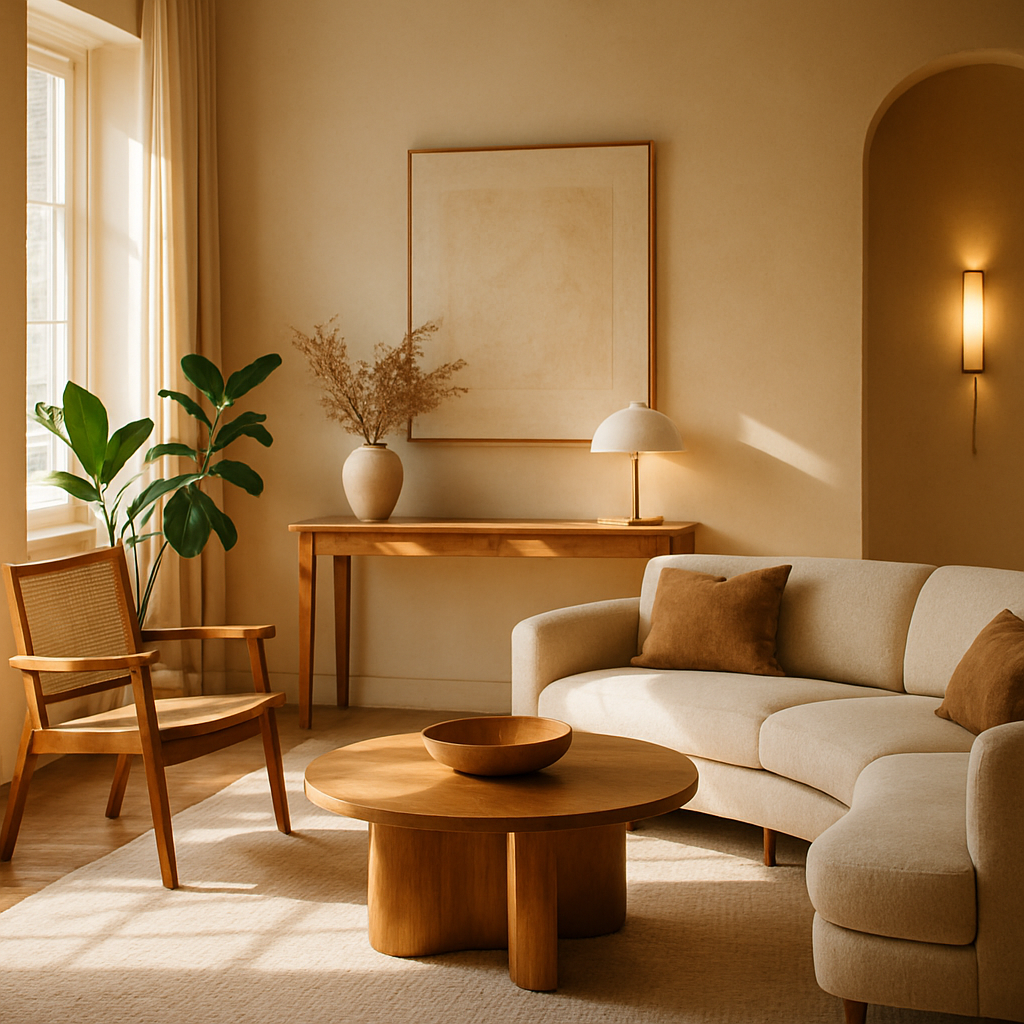
Have you ever walked into a room and immediately felt a sense of calm or excitement? This transformative power is the essence of interior design. It's not just about aesthetics; it's a blend of art and science that shapes how we experience spaces. Interior design matters because it directly impacts our mood, productivity, and even our health. In this article, we will delve into the foundational concepts of interior design, explore its deeper implications through data, provide actionable strategies for your own space, and offer expert-level insights to elevate your design approach. Whether you're a homeowner or a design enthusiast, understanding interior design can enhance both your personal and professional environments.
The Foundations of Interior Design
At its core, interior design is the art of enhancing the interior of a building to achieve a healthier and more aesthetically pleasing environment for the people using the space. Unlike interior decoration, which focuses primarily on surface aesthetics and furnishings, interior design involves a systematic methodology that includes research, analysis, and integration of knowledge into the creative process. This ensures that the client's needs and resources lead to a functional and aesthetically pleasing interior space.
The role of a certified interior designer is crucial in this process. These professionals often hold credentials such as the NCIDQ (National Council for Interior Design Qualification) certification, which ensures they have met the industry standards for competency. According to the IIDA (International Interior Design Association), certified designers are adept at creating spaces that meet building codes and accessibility standards, ensuring both safety and functionality. Do you know how a well-designed space can impact the value of your home? Studies suggest that interiors with professional design can yield a 5-15% higher resale value.
Moreover, interior design is not just about creating visually appealing spaces but also about enhancing the quality of life and culture of the occupants. This involves considering elements such as light, color, texture, and space to create an environment that is both functional and harmonious. As you explore the world of interior design, consider how each element in your space serves both a purpose and an aesthetic.
Why Interior Design Matters: A Deeper Analysis
Interior design plays a critical role in influencing our daily lives, and this is supported by data. For instance, a survey by Houzz found that 73% of homeowners who recently completed a renovation felt more content in their homes. This statistic underscores the impact of thoughtful interior design on our well-being. When spaces are designed with intention, they can promote relaxation, productivity, and even foster creativity.
Furthermore, the integration of smart home technology into interior design is reshaping how we interact with our spaces. Smart home integration, including automated lighting and climate control, not only increases convenience but also enhances energy efficiency. The marriage of technology and design ensures that our living environments are not only beautiful but sustainable. Are you considering how these innovations can be incorporated into your home to improve your lifestyle?
Another critical aspect is the psychological impact of design choices. Colors, for example, have significant psychological effects. Blue hues are known to promote calmness and productivity, making them ideal for home offices, while warmer tones can create a cozy and inviting atmosphere in living spaces. Understanding these subtleties allows you to tailor your space to better support your emotional and functional needs.
Actionable Strategies for Your Space
Creating a well-designed space doesn't always require a large budget or major renovations. Start by assessing how you use each room and identify any pain points. For instance, if your living room feels cluttered, consider rethinking your furniture layout to enhance flow and function. Experienced professionals often note that decluttering is an effective way to transform a space without spending a dime.
Once you've addressed basic functionality, focus on layering your design with textures and colors that resonate with you. Incorporate textiles like rugs, throw pillows, and curtains to add depth and warmth. These elements can be easily updated to reflect seasonal changes or personal preferences. Additionally, consider biophilic design principles by introducing natural elements like plants, which not only improve air quality but also bring a touch of tranquility to your environment.
Lighting is another powerful tool in interior design. Ensure you have a mix of lighting types - ambient, task, and accent - to create a versatile and inviting atmosphere. Strategically placed lighting can highlight architectural features or artwork and set the mood for any occasion. As you refine your space, remember that small changes can have a substantial impact.
Expert-Level Insights into Interior Design
For those looking to delve deeper into the world of interior design, understanding the various phases of a design project is essential. These typically include concept development, design presentation, procurement, installation, and styling. Each phase requires careful planning and execution to ensure a cohesive final result. According to ASID (American Society of Interior Designers), collaborating with a certified designer throughout these stages can streamline the process and enhance the outcome.
Fee structures in interior design can vary widely. Designers may charge a flat fee, an hourly rate ranging from $150 to $500, or a percentage of the project cost, typically between 10-25%. Understanding these options allows you to choose a pricing model that aligns with your budget and project scope. Are you prepared to invest in professional design services to achieve your vision?
In addition to traditional design services, many designers are now utilizing AR/VR room visualization tools to help clients visualize the end result before any physical changes are made. This technology offers a realistic preview, allowing for informed decision-making and minimizing the risk of costly mistakes. As you consider hiring a designer, inquire about their use of such technology to enhance your project's success.
Additional Depth: Current Trends in Interior Design
Staying updated with current trends can inspire and inform your design choices. One significant trend is the rise of biophilic design, which emphasizes the connection between interior spaces and nature. This trend often includes the use of natural materials, living walls, and an indoor-outdoor flow that creates a serene environment.
The concept of "quiet luxury" is also gaining traction, characterized by understated elegance and high-quality materials that speak for themselves. This trend focuses on simplicity and sophistication, avoiding ostentation in favor of timeless appeal. It's about creating spaces that feel luxurious through quality and design, not through excess.
Finally, sustainability continues to be a driving force in design choices. Using reclaimed materials, eco-friendly finishes, and energy-efficient systems not only reduces environmental impact but also adds unique character to a space. As you explore these trends, consider how they can be incorporated into your project for a design that is both contemporary and conscious.
Final Perspectives on Interior Design
Interior design is an ever-evolving field that combines creativity with functionality. It plays a vital role in shaping our environments and enhancing our quality of life. By understanding the principles and trends of interior design, you can make informed decisions that reflect your personal style and meet your needs.
As you embark on your design journey, consider partnering with professional organizations like ASID or exploring portfolios on platforms like Houzz to gain inspiration and ensure quality. Remember, the goal is to create spaces that not only look beautiful but also serve their intended purpose and improve your daily life.
With these insights and strategies, you're well-equipped to rethink your spaces and explore the essence of interior design in a way that truly matters to you.
Conclusion
In conclusion, interior design is more than just decorating; it's about creating environments that enhance the human experience. By exploring its essence, understanding its impact, and applying actionable strategies, you can transform your spaces into functional and aesthetically pleasing havens. Whether you're redesigning a single room or an entire home, the principles and trends discussed here offer a solid foundation for your projects.
Now is the time to take action. Start by browsing portfolios on Houzz this week - even 20 minutes of research will sharpen your eye for what you want. Whether you're hiring a professional or embarking on a DIY project, this exploration will guide you toward creating spaces that matter. What will your next design project be?



Comments
Post a Comment