The Impact of Office Interior Design on Employee Well-Being and Productivity
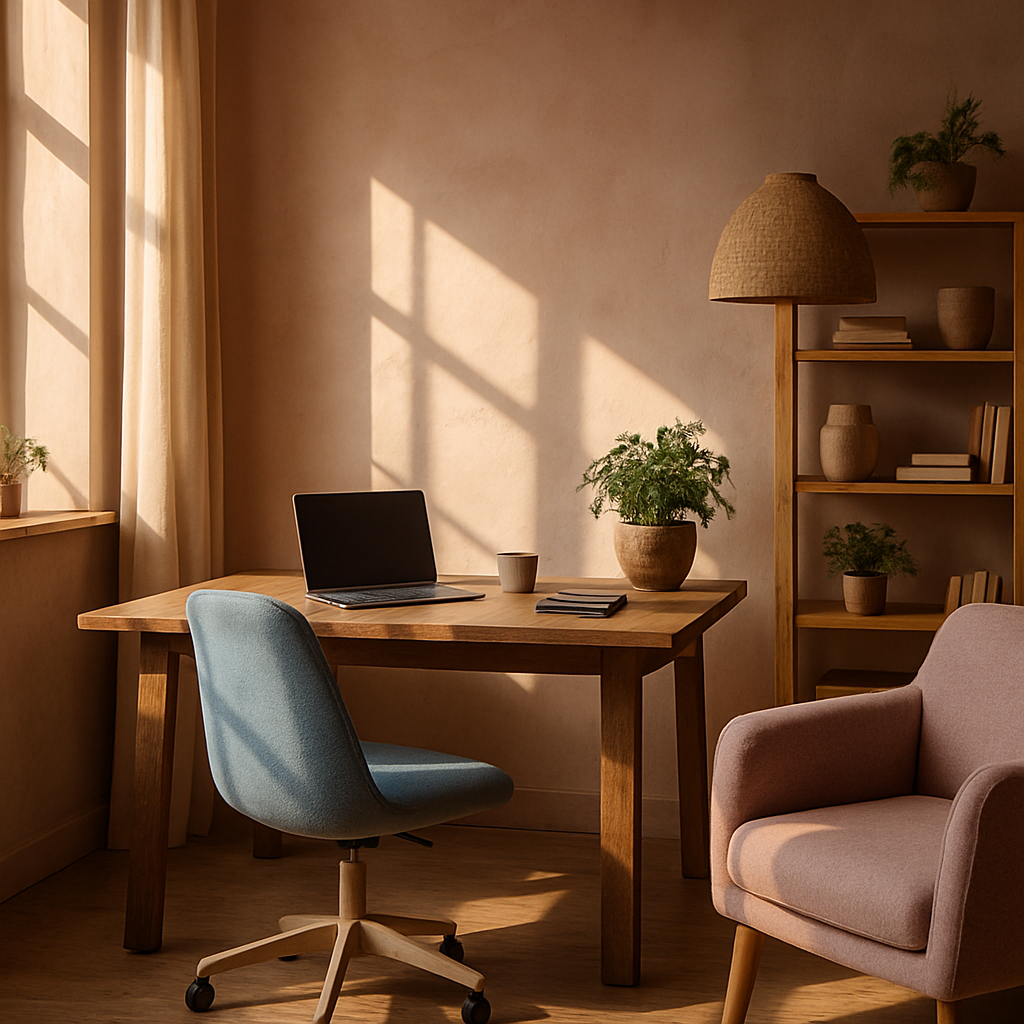
Imagine walking into an office where the lighting is harsh, seating is uncomfortable, and clutter is everywhere. How productive do you think you'd be in such an environment? According to the American Society of Interior Designers (ASID), nearly 90% of workers believe that workplace design directly affects their productivity. The impact of office interior design on employee well-being and productivity is profound, shaping not only how employees feel but also how they perform. In this article, we'll explore foundational concepts of office design, delve into data-driven analyses, and offer actionable strategies to transform your workspace into a hub of productivity and well-being.
Understanding the Basics of Office Interior Design
Office interior design goes beyond aesthetics. It's about creating an environment that fosters employee engagement and efficiency. At its core, good design considers factors such as ergonomics, lighting, and spatial layout. Ergonomics, for instance, is crucial in reducing physical strain and ensuring comfort. Chairs with proper lumbar support and desks at the right height can significantly decrease the risk of musculoskeletal disorders, which, according to the Occupational Safety and Health Administration (OSHA), affect millions of workers annually.
Lighting is another pivotal element. Natural light has been shown to enhance mood and energy levels, while poor lighting can contribute to eye strain and fatigue. The International WELL Building Institute (IWBI) advocates for the integration of natural light into office spaces, emphasizing its role in boosting employee well-being. Additionally, spatial layout affects how employees interact and collaborate. Open floor plans can encourage communication, but they must be balanced with quiet areas for focused tasks.
These foundational elements set the stage for a productive work environment. But how do these concepts translate into tangible benefits for employees and organizations? By understanding the basics, you lay the groundwork for more in-depth exploration and application of design strategies.
Analyzing Data: The Tangible Benefits of Thoughtful Design
Let's dive into the data. Studies consistently show that well-designed office spaces lead to increased productivity and job satisfaction. According to a report by the World Green Building Council, offices with high-quality air, lighting, and ergonomic furniture can see a productivity increase of up to 11%. This underscores the importance of investing in thoughtful design choices.
Moreover, a survey by Houzz reveals that companies that prioritize interior design experience higher employee retention rates. Approximately 33% of respondents stated they would consider leaving their job if their workspace was poorly designed. This data highlights the critical connection between design and employee loyalty, an insight that can guide your office improvements.
Another compelling data point comes from research conducted by the International Interior Design Association (IIDA). They found that design interventions, such as incorporating biophilic elements-plants and natural materials-can reduce stress levels by as much as 15%. These statistics make it clear: the impact of office design is not just theoretical; it translates into real-world benefits that can be measured and improved upon.
Actionable Strategies for Enhancing Office Spaces
Ready to transform your office? Start with small, impactful changes. First, evaluate your current lighting situation. Are there opportunities to increase natural light? Consider installing adjustable blinds or repositioning desks near windows. If natural light is limited, invest in high-quality LED lighting that mimics daylight.
Next, focus on ergonomics. Are your chairs and desks adjustable? Equip your office with ergonomic furniture to support proper posture and reduce health issues. The National Council for Interior Design Qualification (NCIDQ) recommends conducting a workplace ergonomic assessment to tailor solutions to your team's needs.
Finally, don't overlook the power of color and decor. Soft, neutral colors can create a calming atmosphere, while brighter accents can stimulate creativity and energy. Consider adding biophilic design elements like indoor plants or nature-inspired art. These changes don't just improve aesthetics; they can significantly enhance employee well-being and productivity.
Expert Insights: What Professionals Say
Experienced professionals often note that the integration of technology in office design is crucial. Smart office solutions, such as automated lighting and climate controls, can streamline operations and improve comfort. According to Architectural Digest's AD PRO network, incorporating these technologies can lead to a 20% increase in energy efficiency.
The role of flexibility in design is another expert focus. As more companies adopt hybrid work models, the need for adaptable spaces grows. Flexible furniture, such as modular seating and movable walls, allows offices to transform quickly based on the day's needs. This adaptability not only supports diverse work styles but also maximizes the use of space.
Professionals also emphasize the importance of a cohesive design strategy that aligns with company culture. A well-designed office should reflect and reinforce your brand identity, creating a sense of belonging and purpose. This alignment can enhance employee engagement, as it makes the work environment feel more personal and motivating.
Additional Considerations for Office Design
When planning your office redesign, consider the role of acoustics. Noise levels can dramatically affect concentration and stress. Implementing sound-absorbing materials like acoustic panels or carpets can reduce noise pollution and create a more serene environment. This is particularly important in open-plan offices where noise can be a significant distraction.
Sustainability is another key consideration. Opt for eco-friendly materials and energy-efficient systems to reduce your office's environmental footprint. The American Institute of Architects (AIA) encourages the use of sustainable practices, noting that it not only benefits the planet but can also lead to cost savings in the long term.
Additionally, consider the psychological impact of your office design. Does it inspire creativity and collaboration? Creating diverse zones for different activities-such as quiet areas, collaboration spaces, and relaxation zones-can cater to various work preferences and enhance overall productivity. This holistic approach ensures that your office not only functions well but also supports the mental and emotional well-being of your employees.
Bringing It All Together: The Final Perspectives
As you contemplate your office design, remember that the ultimate goal is to create a space that supports both well-being and productivity. This involves a careful balance of aesthetics, functionality, and technology. By focusing on these elements, you can craft an environment where employees feel valued and motivated.
Reflect on your current office setup. Are there areas that could benefit from a redesign? Consider seeking input from your team to identify pain points and opportunities for improvement. This collaborative approach not only ensures that the redesign meets employees' needs but also fosters a sense of ownership and engagement in the process.
Incorporating these insights and strategies will not only improve your office's appearance but also its productivity. As you move forward, keep the conversation open and continuously seek ways to enhance the workspace. This ongoing commitment to design excellence will pay dividends in employee satisfaction and organizational success.
Conclusion: Taking the Next Step
In conclusion, the impact of office interior design on employee well-being and productivity is significant. By understanding the principles of design, leveraging data-driven insights, and implementing expert strategies, you can transform your office into a productive haven. Remember, the design process is not a one-time effort but an ongoing journey of improvement and adaptation.
Ready to start your office redesign? Begin by browsing designer portfolios on platforms like Houzz or consulting the ASID directory to find professionals with the NCIDQ credential. Even a brief 20-minute session of research can provide valuable insights and inspiration for your project. Take this first step today and watch as your office transforms into a space that supports both productivity and well-being.



Comments
Post a Comment