The Future of Interiors: Exploring AI's Impact on Design Aesthetics
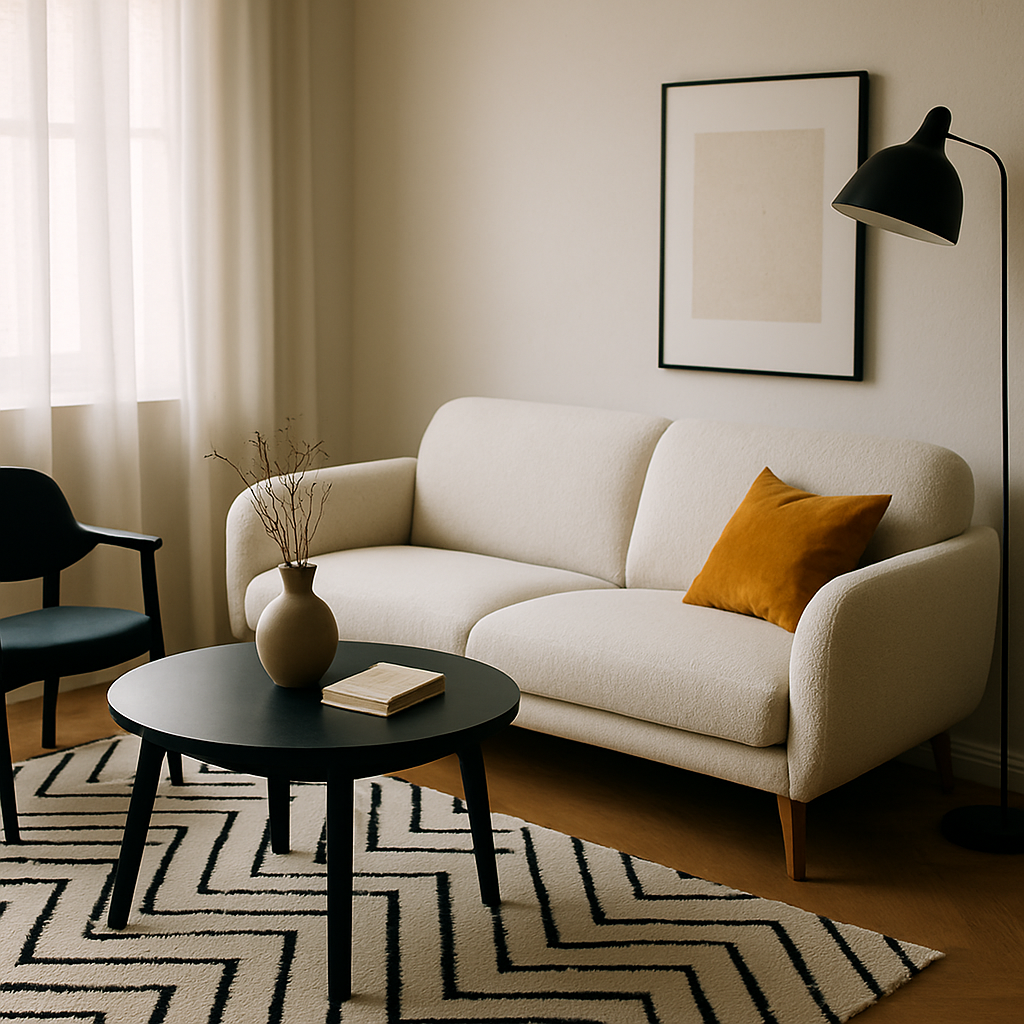
Imagine walking into a room that instantly adjusts its lighting, temperature, and even scent based on your mood. This isn't a scene from a sci-fi movie; it's the emerging reality of AI-driven interior design. According to a recent report by Houzz, over 30% of homeowners are now integrating smart technology into their redesign projects. But how exactly is AI reshaping design aesthetics, and what does this mean for the future of our homes? In this article, we will delve into the foundational concepts of AI in interior design, explore data-backed insights, present actionable strategies for implementation, and provide expert-level detail on what lies ahead.
Understanding the Role of AI in Interior Design
At its core, AI in interior design involves using algorithms and machine learning to enhance and streamline the design process. This technology can analyze vast amounts of data to predict trends, optimize layouts, and even personalize aesthetics to an individual's preferences. For instance, AI tools can now generate design concepts based on user input, considering factors like space dimensions, lighting, and personal style. This capability allows both designers and homeowners to visualize potential outcomes before any physical changes are made.
One of the primary functions of AI in this field is its ability to process and interpret design data from platforms like Houzz and Pinterest. These platforms provide an extensive collection of images and design templates that AI uses to identify popular trends and suggest suitable design elements. For example, algorithms can predict the rise of trends like biophilic design and Japandi aesthetics by analyzing the frequency and context of these themes in user searches and uploads.
Furthermore, AI's integration into interior design is not just about aesthetics; it's also about functionality and efficiency. By analyzing how space is used, AI can suggest modifications that enhance both beauty and practicality. For instance, smart home systems can recommend furniture arrangements that optimize room flow and lighting solutions that adjust to natural light patterns throughout the day. As we explore deeper, the implications of AI in design become more profound, prompting us to consider: How will your personal space evolve with these technological advancements?
The Data Behind AI-Driven Design
The impact of AI on design aesthetics is supported by compelling data. According to a survey by the American Society of Interior Designers (ASID), 45% of interior designers now use AI tools to enhance their workflow and design precision. This trend is a testament to AI's growing role in shaping modern interiors. Automated design software can analyze countless design variables to suggest optimal layouts and color palettes, thereby saving time and reducing the margin of error.
Furthermore, industry reports suggest that the use of AI in design can lead to a 20% increase in project efficiency and a 15% reduction in overall costs. By utilizing AI's predictive capabilities, designers can anticipate client needs and market trends more accurately, allowing for more informed decision-making. For example, AI-driven tools can aggregate data on consumer preferences, enabling designers to offer personalized solutions that align with client expectations and budget constraints.
Perhaps most intriguing is AI's ability to enhance sustainability in design. By analyzing environmental impact data, AI can recommend sustainable materials and energy-efficient solutions tailored to each project. This approach not only appeals to eco-conscious clients but also aligns with the industry's shift towards more sustainable practices. As we delve into actionable strategies, it's clear that the intersection of AI and interior design holds transformative potential for both aesthetics and sustainability.
Implementing AI in Your Design Projects
So, how can you leverage AI to transform your interior spaces? First, consider utilizing AI-driven design software that offers room visualization tools. These platforms, such as SketchUp and Autodesk's Revit, allow users to create 3D models of their spaces, experimenting with different layouts and design elements before committing to a specific plan. Such tools provide invaluable insights into how different design choices will look and function in a real-world setting.
Next, explore smart home technologies that integrate AI to enhance both aesthetics and functionality. Smart lighting systems, for instance, can adjust hues and intensities based on the time of day or your mood, creating an ambiance that complements your interior style. Additionally, consider AI-powered climate control systems that not only maintain optimal temperatures but also learn your preferences over time to improve comfort and energy efficiency.
Finally, engage with certified interior designers who utilize AI in their process. Professionals with credentials such as NCIDQ (National Council for Interior Design Qualification) are equipped with the expertise to seamlessly integrate AI into their design strategies. Collaborating with such experts ensures that your project benefits from the latest technological advancements while maintaining aesthetic integrity. As we explore further, understanding how AI is being leveraged by industry leaders provides valuable context for your own design endeavors.
Expert Insights on AI's Influence in Design
Experienced professionals often note that AI's impact on interior design extends beyond mere aesthetics to fundamentally altering the design process itself. According to insights from the International Interior Design Association (IIDA), AI is enabling designers to focus more on creative aspects by automating routine tasks such as drafting and material selection. This shift allows for more innovation and experimentation, ultimately leading to more personalized and unique design solutions.
Furthermore, the use of AI in design is fostering collaboration between clients and designers. Through platforms that offer augmented reality (AR) and virtual reality (VR) capabilities, clients can now participate in the design process interactively. This technology allows clients to virtually "walk through" their redesigned spaces, providing real-time feedback and ensuring that the final outcome aligns with their vision. Such collaborative approaches not only enhance client satisfaction but also reduce the likelihood of costly revisions down the line.
Industry leaders are also leveraging AI to predict future design trends, enabling them to stay ahead of the curve. By analyzing vast datasets from social media, design publications, and consumer feedback, AI can identify emerging preferences and inspire innovative design concepts. As we move towards our final perspectives, it's evident that AI is not only shaping current design practices but also setting the stage for future innovations in interior aesthetics.
Exploring the Future of AI in Interior Design
Looking ahead, the integration of AI in interior design is expected to deepen, with technology playing an even greater role in shaping aesthetics and functionality. As AI continues to evolve, we can anticipate more sophisticated tools that offer enhanced customization options, allowing homeowners to create spaces that reflect their personal style and needs with unprecedented precision. The increasing use of AI in design also aligns with broader technological trends, such as the rise of smart homes and the focus on sustainable living.
Moreover, the democratization of design through AI means that high-quality interior aesthetics are becoming more accessible to a wider audience. By lowering costs and simplifying complex design processes, AI is enabling more people to enjoy the benefits of professional-grade interiors without the traditional barriers. This shift is not only transforming the industry but also empowering individuals to take a more active role in creating their ideal living environments.
As we conclude, the potential of AI in interior design is vast and exciting. The question remains: How will you harness this technology to enhance your own living spaces? With the right tools and guidance, the possibilities are truly limitless.
Conclusion: Embrace the Future of Design
In summary, AI is revolutionizing interior design by offering new tools, insights, and opportunities for personalization. From enhancing design efficiency to predicting future trends, AI is reshaping how we approach and experience our living spaces. As you consider your next design project, why not explore AI-driven solutions to unlock the full potential of your home?
Start by browsing portfolios on Houzz or exploring design software like SketchUp to visualize your ideas. Even dedicating just 20 minutes to research can provide significant inspiration and clarity. With AI as your ally, the future of interior aesthetics is bright and within reach.



Comments
Post a Comment