The Future of Interior Design: Trends Every Designer Should Know in 2024
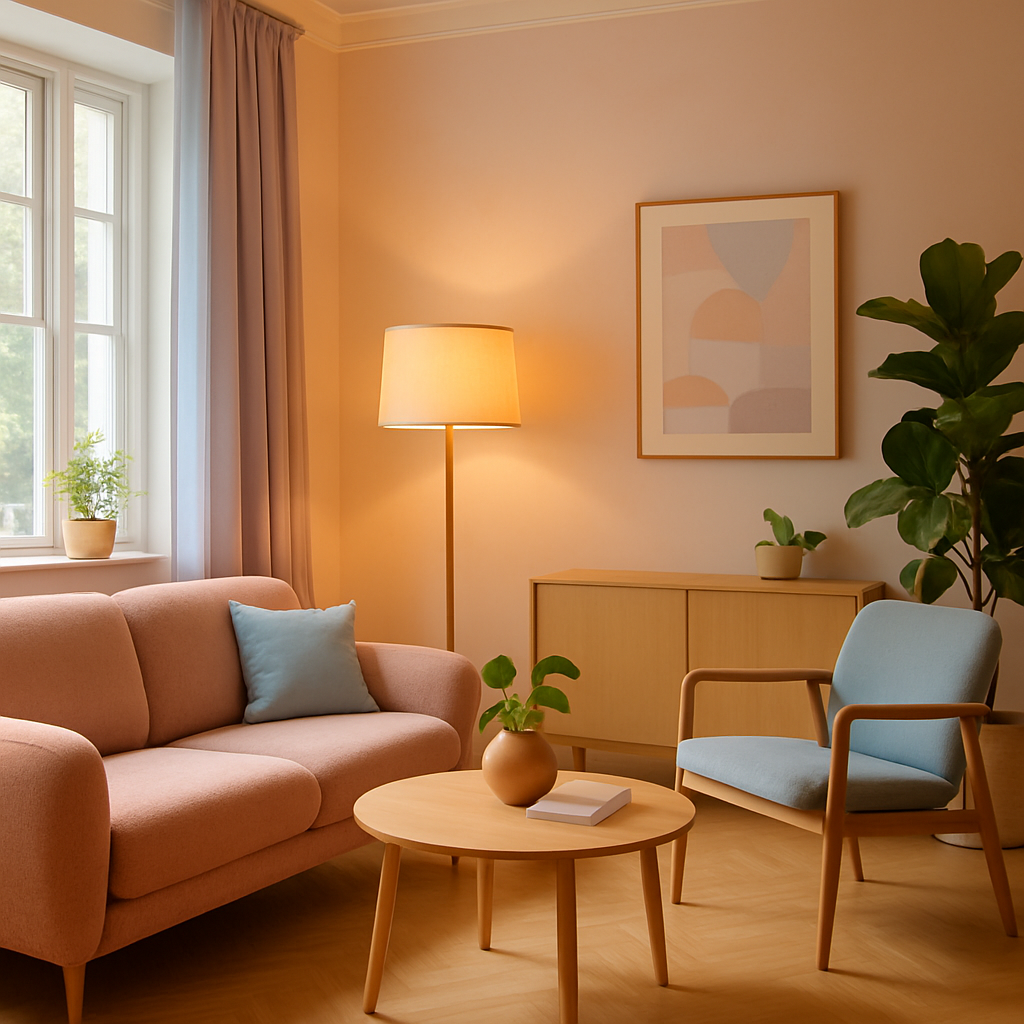
Imagine walking into a room where subtle elegance meets cutting-edge technology, where every piece of furniture not only serves a function but also tells a story. This is the future of interior design, a field constantly evolving to meet the demands of a changing world. As we step into 2024, the need for designers to stay abreast of emerging trends has never been more crucial. From biophilic design that brings nature indoors to the seamless integration of smart home technology, these trends are reshaping how we perceive and interact with our living spaces. In this article, we will explore the foundational concepts driving these changes, analyze data and insights from leading organizations, and offer actionable strategies and expert-level details to keep you ahead of the curve.
Foundational Concepts in 2024 Interior Design
At the heart of 2024's interior design trends lies a commitment to creating spaces that are as functional as they are beautiful. This year, the focus is on biophilic design, a concept that emphasizes the use of natural materials and the integration of nature into living spaces. By incorporating elements like living walls and natural light, designers aim to improve the well-being and productivity of those who inhabit these spaces. According to the American Society of Interior Designers (ASID), homes with biophilic elements can boost occupant satisfaction by up to 20%.
Another foundational trend is the rise of quiet luxury, which prioritizes understated elegance over ostentatious displays. This trend is characterized by the use of high-quality materials, neutral color palettes, and timeless designs. The International Interior Design Association (IIDA) notes that this approach not only elevates the aesthetic appeal of a space but also enhances its resale value. Homes designed with quiet luxury can see an increase in resale value by 5-15%, according to industry surveys.
Lastly, the integration of smart home technology has become a staple in modern interior design. From automated lighting systems to climate control and voice-activated assistants, smart technology is making homes more efficient and customizable. The National Council for Interior Design Qualification (NCIDQ) highlights that homes equipped with smart technology can reduce energy consumption by 10-30%, offering both economic and environmental benefits. As we delve deeper into this topic, we'll explore how these concepts are being applied in practice.
Data-Driven Analysis of Emerging Trends
Understanding the future of interior design requires a closer look at the data and insights that are driving these trends. According to the Houzz annual survey, homeowner spending on interior design projects is expected to rise by 10% in 2024, reflecting a growing interest in personalized and functional living spaces. This increase in spending indicates a willingness among consumers to invest in design elements that enhance their quality of life.
Biophilic design, for instance, has been shown to yield significant benefits for homeowners. A study published by the American Institute of Architects (AIA) found that incorporating natural elements into home design can reduce stress levels and increase productivity by up to 15%. This data underscores the importance of designing spaces that not only look good but also promote mental and physical well-being.
The adoption of smart home technology is also supported by compelling data. A report by the Consumer Technology Association (CTA) indicates that 69% of homes are expected to integrate some form of smart technology by the end of 2024. This trend is being driven by the desire for convenience and efficiency, as well as the increasing affordability of smart devices. With this data in mind, how can designers leverage these trends to meet the demands of their clients? The next section will provide actionable strategies to do just that.
Actionable Strategies for Designers
To harness the potential of 2024's interior design trends, designers must adopt a client-centric approach that prioritizes personalization and functionality. One effective strategy is to conduct thorough consultations with clients to understand their lifestyle needs and preferences. This involves mapping out how each room is used on a daily basis, which can inform the selection of design elements such as furniture, lighting, and technology.
Incorporating biophilic elements requires a thoughtful approach to sourcing materials and arranging spaces. Designers should consider using sustainable and reclaimed materials, which not only align with the principles of biophilic design but also appeal to environmentally-conscious clients. Platforms like Houzz offer a wealth of resources and inspiration for integrating these elements into any project.
When it comes to smart home technology, designers should focus on seamless integration that enhances, rather than detracts from, the aesthetic of a space. This can be achieved by choosing devices with a minimalist design and ensuring that technology is intuitively easy to use. Experts often recommend starting with foundational systems like smart lighting and climate control, and then expanding to more complex integrations based on client feedback. By implementing these strategies, designers can create spaces that are both innovative and tailored to their clients' unique needs.
Expert-Level Insights into Design Trends
Experienced professionals often note that the most successful interior designs are those that balance innovation with timeless appeal. This balance can be achieved by staying informed about emerging trends while also incorporating classic design principles. The Architectural Digest's AD PRO network is a valuable resource for designers seeking to stay updated on the latest industry developments and to connect with other professionals for inspiration and advice.
Another key insight is the growing importance of virtual and augmented reality tools in the design process. These technologies allow designers to create 3D models of spaces, enabling clients to visualize the final outcome before any physical changes are made. This not only facilitates better communication between designers and clients but also helps avoid costly mistakes. As technology continues to advance, the use of AR/VR in interior design is expected to become even more widespread.
Finally, the emphasis on sustainability is reshaping the interior design landscape. Designers are increasingly called upon to create spaces that are not only aesthetically pleasing but also environmentally responsible. This involves selecting eco-friendly materials and designing for energy efficiency. Organizations like the AIA provide guidelines and certifications for sustainable design practices, ensuring that projects meet both industry standards and client expectations. With these insights in mind, let's explore additional considerations that can enhance your design practice.
Additional Considerations for Design Success
In addition to staying abreast of trends and utilizing new technologies, designers must also be adept at managing the logistical aspects of their projects. This includes understanding the various fee structures common in the industry, such as flat fees, hourly rates, and percentages of total project costs. For instance, designers typically charge hourly rates ranging from $150 to $500, depending on their experience and the complexity of the project.
It's also important for designers to maintain strong relationships with suppliers and contractors to ensure the smooth execution of projects. The procurement phase is critical, as it involves sourcing and acquiring the necessary materials and furnishings. Experienced designers often emphasize the importance of having a reliable network of vendors to meet project timelines and quality standards.
Lastly, continuous learning and professional development are essential for staying competitive in the field of interior design. Joining professional organizations like the ASID and IIDA can provide access to valuable resources, networking opportunities, and continuing education programs. By investing in their professional growth, designers can enhance their skills and offer even greater value to their clients. As we conclude this exploration, let's consider the broader implications of these trends for the future of interior design.
Final Perspectives on Interior Design Trends
The future of interior design is one of innovation, sustainability, and personalization. As we look ahead to 2024, it is clear that these trends are not merely passing fads, but rather fundamental shifts in how we design and interact with our spaces. By embracing these changes, designers have the opportunity to create environments that are both functional and inspiring, enhancing the lives of those who inhabit them.
As a designer, how will you incorporate these trends into your practice? Will you prioritize biophilic design, smart technology, or perhaps a combination of both? The choices you make today will shape the projects you undertake tomorrow. By staying informed and adaptable, you can ensure that your designs remain relevant and impactful in the years to come.
In the conclusion that follows, we'll summarize the key takeaways from this article and provide a clear next step for your design journey.
Conclusion
In conclusion, the future of interior design in 2024 is characterized by a harmonious blend of nature, technology, and timeless elegance. By understanding and embracing trends like biophilic design and smart home integration, designers can create spaces that are not only aesthetically pleasing but also enhance the well-being of their occupants. As we've explored, these trends offer both challenges and opportunities for designers willing to innovate.
Your next step is to actively research and incorporate these trends into your portfolio. Start by browsing designer portfolios on platforms like Houzz this week - even 20 minutes of research will sharpen your eye for what you want to achieve in your designs. Are you ready to transform your approach and lead the way in the future of interior design?


Comments
Post a Comment