The Future of Interior Design: Trends Every Designer Should Know in 2023
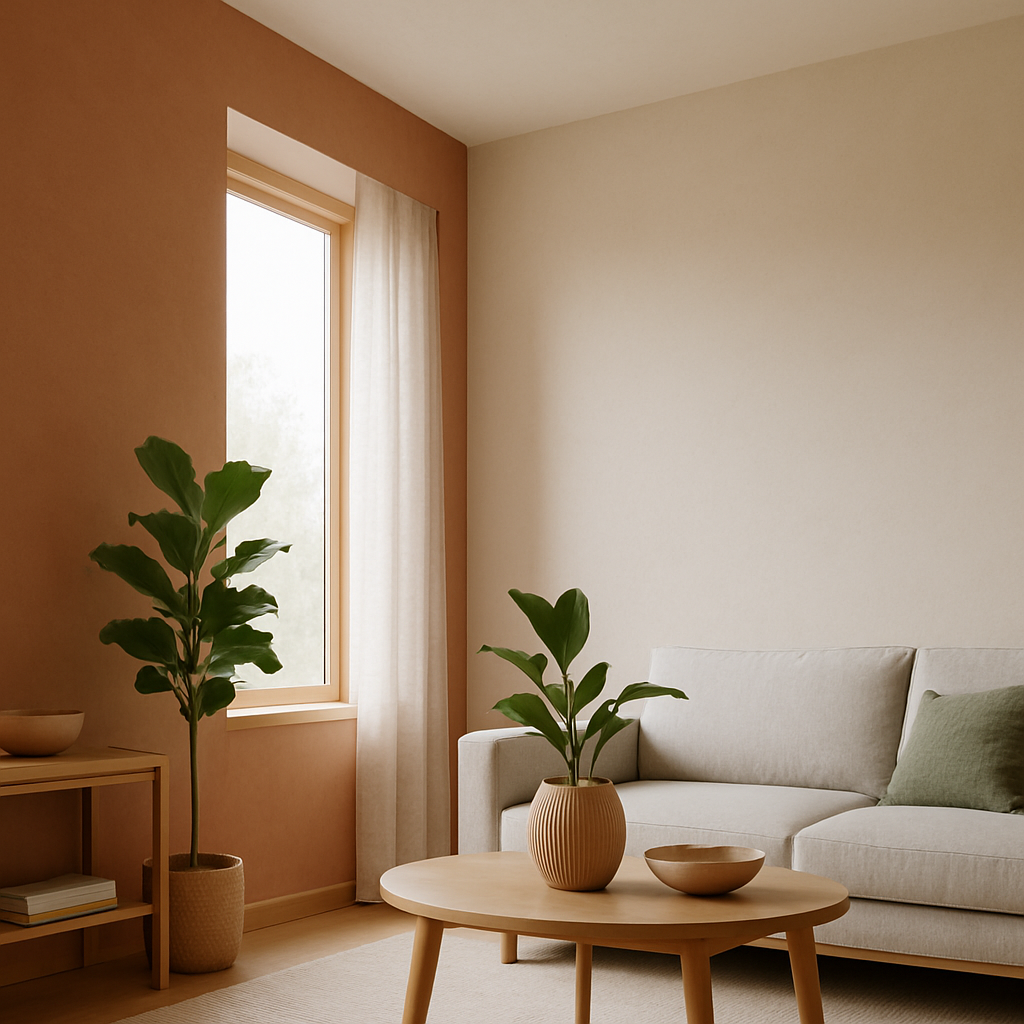
Have you ever walked into a space and felt an immediate sense of tranquility, as if the room itself was breathing? This is the transformative power of modern interior design. As we step into 2023, interior designers are tasked with not only creating beautiful spaces but also aligning them with cutting-edge trends that cater to evolving lifestyles. This article will guide you through the pivotal trends shaping the future of interior design, from biophilic elements to tech-infused environments. With insights from industry leaders and data-backed predictions, you'll gain the knowledge needed to stay ahead in this ever-evolving field.
The Rise of Biophilic Design
Biophilic design, which emphasizes the integration of nature into indoor environments, is rapidly gaining traction. This trend reflects a broader shift towards wellness-focused interiors, spurred by the pandemic's impact on mental health. According to a report by the American Society of Interior Designers (ASID), incorporating natural elements like plants, water features, and organic materials can significantly enhance psychological well-being. Designers are increasingly using biophilic principles to create calming, restorative spaces.
Architectural Digest notes that biophilic design is not just about adding greenery. It's about creating a seamless indoor-outdoor flow, which can be achieved through the use of large windows, natural materials like wood and stone, and strategic landscaping. This trend is particularly popular in urban settings, where access to nature is limited. By bringing elements of the outdoors inside, designers can provide city dwellers with a much-needed connection to the natural world.
Do you find yourself yearning for a touch of nature in your living space? As more people recognize the benefits of biophilic design, the demand for these nature-inspired interiors is expected to grow. This trend not only appeals to the aesthetic sensibilities of homeowners but also addresses a fundamental human need for connection with nature.
Smart Home Integration
In 2023, technology continues to revolutionize interior design with the integration of smart home features. According to a survey by Houzz, nearly 60% of homeowners are investing in smart technologies that enhance convenience and energy efficiency. From automated lighting systems that adjust based on natural light to climate control devices that optimize indoor temperature, technology is becoming an integral part of home design.
Smart home integration goes beyond convenience; it's about creating environments that respond intuitively to the needs of the users. For example, automated window treatments can adjust throughout the day to reduce glare and maximize natural light, enhancing both comfort and energy efficiency. These systems can be controlled remotely, allowing homeowners to adjust settings from anywhere in the world.
As you consider incorporating smart technology into your designs, think about how these features can enhance the overall functionality of the space. Are there specific areas where technology could improve daily living? By strategically integrating smart home features, designers can create more efficient, adaptable, and personalized interiors.
Actionable Strategies for Sustainable Design
Sustainability is no longer just a buzzword; it is a necessity in today's design landscape. Experienced professionals often note the increasing demand for eco-friendly materials and practices. The International Interior Design Association (IIDA) emphasizes the importance of using sustainable and reclaimed materials to reduce environmental impact. Designers are now sourcing materials that are not only beautiful but also have a minimal carbon footprint.
Adopting sustainable design practices involves more than just material choices. It requires a holistic approach to the entire design process. For instance, reusing existing furniture pieces, selecting energy-efficient appliances, and maximizing natural light are all strategies that can contribute to a more sustainable design. Additionally, specifying materials with low volatile organic compounds (VOCs) can improve indoor air quality.
If you're committed to sustainability, consider how you can incorporate these practices into your projects. What materials are available locally that can minimize transportation emissions? By prioritizing sustainability, designers can not only meet client expectations but also contribute positively to the environment.
Expert-Level Insights on Quiet Luxury
Quiet luxury, characterized by understated elegance and refined materials, is a prominent trend in 2023. This design philosophy focuses on quality over quantity, with an emphasis on craftsmanship and timeless appeal. According to NCIDQ-certified designers, quiet luxury is about creating sophisticated spaces that are both functional and aesthetically pleasing.
This trend is evident in the use of muted color palettes, luxurious textiles, and bespoke furnishings. Designers are choosing materials like cashmere, silk, and high-quality wood to create interiors that exude a sense of calm and sophistication. The focus is on creating a serene environment that feels luxurious without being ostentatious.
Have you considered how quiet luxury could elevate your designs? By prioritizing quality materials and expert craftsmanship, you can create interiors that stand the test of time. This approach not only enhances the aesthetic value of a space but also ensures a lasting impact on clients.
Exploring Japandi Style
Japandi, a fusion of Japanese minimalism and Scandinavian warmth, is captivating designers worldwide. This trend combines the simplicity and functionality of Japanese design with the coziness and comfort of Scandinavian interiors. The result is a balanced aesthetic that emphasizes clean lines, neutral colors, and natural materials.
According to industry insights, Japandi style is particularly appealing for its ability to create serene, clutter-free spaces. Designers are embracing this trend by incorporating elements like low-profile furniture, light wood tones, and soft textiles. The emphasis is on creating a harmonious environment that promotes relaxation and mindfulness.
As you explore Japandi design, consider how this style can be adapted to different spaces. What elements of Japanese and Scandinavian design resonate most with your clients? By blending these two design philosophies, you can create unique and tranquil interiors that appeal to a wide range of tastes.
Final Perspectives on Future Trends
The future of interior design in 2023 is marked by a blend of innovation and timeless principles. Trends like biophilic design, smart home integration, and quiet luxury are redefining how we approach interior spaces. As designers, it's crucial to stay informed and adapt to these evolving trends to meet client demands and enhance living environments.
Looking ahead, it's essential to consider how these trends can be tailored to individual projects. Each client has unique needs and preferences, and successful designers will be those who can customize trends to create personalized, functional spaces. Are you ready to embrace these trends and elevate your designs?
By understanding and implementing these emerging trends, you can ensure that your designs remain relevant and impactful. The future of interior design is bright, and those who embrace change will lead the way.
Conclusion
As we navigate the future of interior design, staying ahead of trends is essential for creating spaces that resonate with clients and enhance their lives. From biophilic and sustainable design to the integration of smart home technology, the trends of 2023 offer exciting opportunities for innovation and creativity. Remember to consider how these trends can be personalized for each project, ensuring that every design is both beautiful and functional.
Now is the time to act. Start by browsing designer portfolios on platforms like Houzz and Architectural Digest to gather inspiration and insights. Even dedicating just 20 minutes to research can sharpen your eye for what's possible. The future of interior design awaits, and with these trends at your fingertips, you're well-equipped to make a lasting impact.



Comments
Post a Comment