The Future of Interior Design: Trends to Watch from Leading Companies
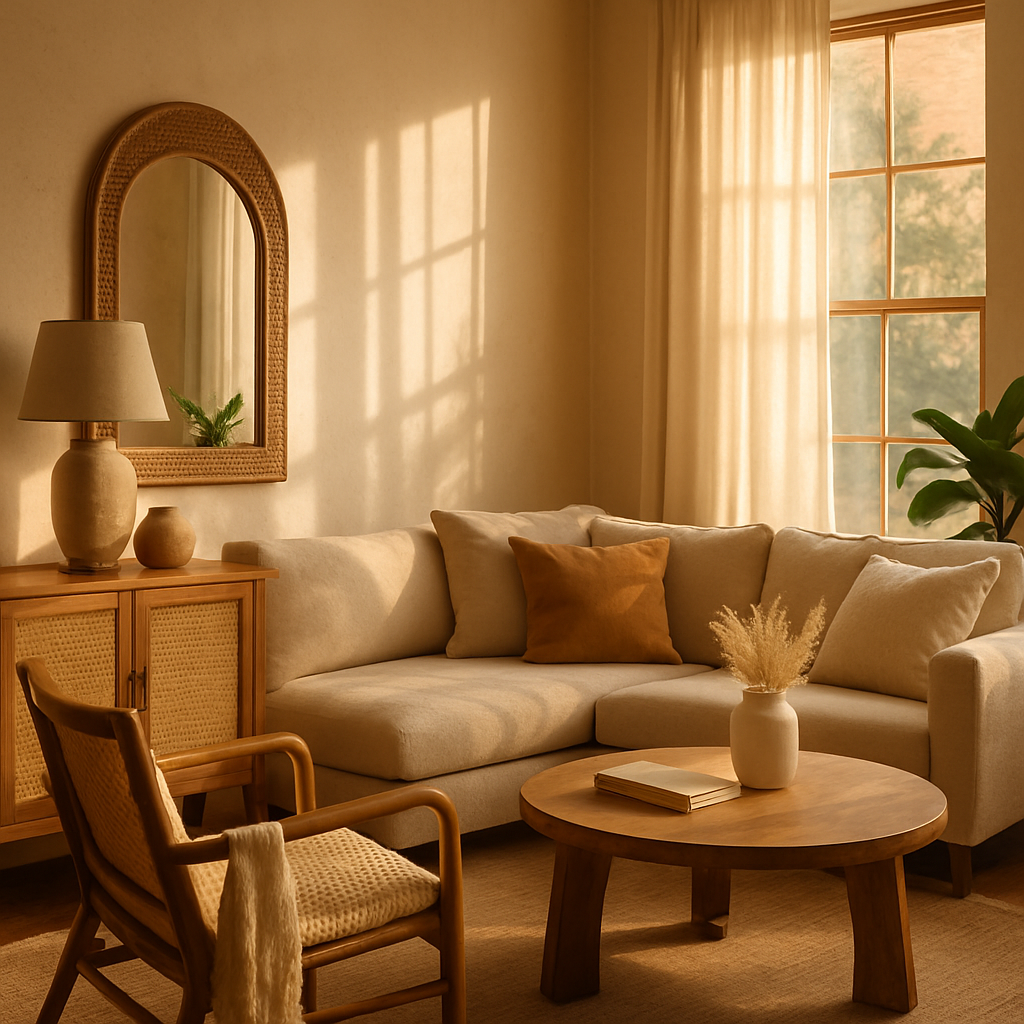
Have you ever walked into a room and felt an immediate connection with the space? According to the American Society of Interior Designers (ASID), well-designed interiors are not only aesthetically pleasing but can also increase property value by 5-15%. As we look towards the future of interior design, leading companies are paving the way with innovative trends that promise to redefine our living spaces. This article will explore these emerging trends, providing a roadmap for those keen on transforming their environments. We'll delve into foundational concepts, analyze data-driven insights, offer actionable strategies, and share expert-level details that set the stage for what's next in interior design.
Foundational Concepts in Modern Design
At the core of the future of interior design lies a shift towards sustainability and biophilic design. Biophilic design, which emphasizes natural materials and indoor-outdoor flow, is gaining traction among homeowners and designers alike. This trend addresses the growing desire for environments that foster a connection to nature, which has been shown to enhance well-being and reduce stress. According to a study published by Houzz, 68% of homeowners are now prioritizing eco-friendly materials in their renovation projects.
Another foundational concept is the integration of smart home technologies. As more consumers seek convenience and efficiency, the demand for automated lighting, climate control, and window treatments continues to rise. These technologies not only enhance the functionality of a space but also contribute to energy savings, aligning with the sustainability goals of modern design. Experienced professionals often note that clients are increasingly interested in technology that seamlessly blends with their interiors.
The minimalist aesthetic, particularly the Japandi style-a fusion of Japanese minimalism and Scandinavian warmth-continues to influence design choices. This style prioritizes simplicity and functionality, creating spaces that are both calming and practical. By focusing on quality over quantity, Japandi encourages the use of fewer, but more meaningful, pieces that speak to the homeowner's personality and lifestyle. As we transition into the next section, we'll examine how these foundational concepts are being supported by data and industry insights.
Data-Driven Insights on Emerging Trends
Industry surveys suggest that the demand for sustainable and smart home features is not only a passing trend but a growing expectation among consumers. According to a recent report by the International Interior Design Association (IIDA), 74% of interior designers are incorporating sustainable practices into their work, reflecting a significant shift in client priorities. This data underscores the importance of environmentally conscious design as a key driver of the future of interior design.
Moreover, the use of augmented reality (AR) and virtual reality (VR) in design processes is on the rise. These technologies allow clients to visualize changes in real-time, providing a more interactive and informed design experience. Leading platforms like Houzz have reported a 20% increase in user engagement when AR and VR tools are incorporated into project presentations. This trend not only enhances client satisfaction but also streamlines the decision-making process.
Interestingly, the financial aspect of interior design is also evolving. The ASID notes that while traditional fee structures-such as flat fees and hourly rates-remain common, there is a growing trend towards performance-based pricing. Designers are increasingly linking their compensation to project outcomes, incentivizing them to deliver exceptional results. As we move forward, let's explore actionable strategies for integrating these emerging trends into your design projects.
Actionable Strategies for Incorporating Trends
For those eager to embrace the future of interior design, starting with a clear plan is crucial. Begin by assessing your current space and identifying areas where sustainable and smart technologies can be implemented. Consider simple updates like switching to energy-efficient lighting or installing smart thermostats. These small changes can significantly reduce energy consumption while modernizing your home.
Next, explore the potential of biophilic design by incorporating natural elements into your interiors. This could mean adding houseplants, using reclaimed wood, or opting for natural stone finishes. These elements not only enhance aesthetic appeal but also improve indoor air quality and promote a sense of tranquility. Remember, the goal is to create a harmonious balance between nature and modern living.
Finally, consider leveraging AR and VR tools to visualize design changes before making commitments. Platforms like Houzz offer features that allow you to see how different layouts and color schemes will look in your space. This can help prevent costly mistakes and ensure that your design choices align with your vision. As we delve deeper, we'll examine expert-level insights that further inform these strategies.
Expert-Level Insights into Design Innovations
Experienced professionals in the interior design industry often emphasize the importance of staying informed about the latest innovations. Joining professional organizations such as the National Council for Interior Design Qualification (NCIDQ) or the ASID can provide access to valuable resources and networking opportunities. These organizations offer certifications that not only enhance credibility but also keep designers updated on emerging trends.
Another key insight is the role of collaboration in successful design projects. Engaging with architects, builders, and other professionals can lead to more cohesive and innovative outcomes. The American Institute of Architects (AIA) often highlights the benefits of interdisciplinary collaboration in achieving sustainable and functional designs. By working together, professionals can combine their expertise to create spaces that meet the evolving needs of clients.
Additionally, understanding the financial aspects of design is crucial for both designers and clients. Knowing how to budget effectively and understanding different fee structures can lead to more transparent and successful projects. Whether opting for a flat fee, hourly rate, or percentage of total project cost, it's important to clearly communicate expectations and outcomes. Let's continue to explore additional insights that deepen our understanding of these trends.
Additional Depth on Design Practices
As we look further into the future of interior design, the trend of quiet luxury and understated elegance is becoming increasingly significant. This approach focuses on creating spaces that are luxurious yet subtle, prioritizing high-quality materials and craftsmanship over ostentation. Designers are encouraged to focus on the tactile quality of materials, choosing those that evoke a sense of timelessness and sophistication.
Moreover, the principles of universal design are gaining traction, especially as more homeowners seek to create inclusive spaces that accommodate all abilities. This involves designing environments that are accessible and user-friendly for everyone, regardless of age or physical ability. By incorporating features like wider doorways, step-free access, and adjustable countertops, designers can create spaces that are both functional and welcoming.
Finally, the role of color psychology in interior design cannot be understated. Selecting colors that evoke desired moods and emotions can significantly impact the ambiance of a space. For instance, blues and greens are often used to create a calming environment, while warm tones like reds and oranges can energize a room. As we draw this discussion to a close, we'll synthesize these insights into a cohesive perspective on future trends.
Final Perspectives on Future Trends
In understanding the future of interior design, it's clear that sustainability, technology, and inclusivity are pivotal. As these trends continue to evolve, they will undoubtedly influence the way we design and experience our living spaces. Whether you're a professional designer or a homeowner planning a renovation, staying informed about these innovations is key to making informed decisions.
Consider how these trends align with your personal values and lifestyle. Are you drawn to the simplicity of Japandi or the technological allure of smart home integration? Reflecting on these questions can guide your design choices and help you create a space that truly resonates with you. As we wrap up, the conclusion will offer a summary and a specific call to action for those ready to embark on their design journey.
Conclusion
The future of interior design is bright, characterized by a blend of sustainability, technology, and a focus on human-centric spaces. As we've explored, leading companies are driving these trends forward, offering innovative solutions that meet the needs of modern living. Whether you're looking to incorporate biophilic elements, embrace smart technologies, or create universally accessible spaces, the possibilities are vast.
Ready to transform your home? Start by browsing designer portfolios on platforms like Houzz or Instagram this week-just 20 minutes of research can sharpen your eye for what you truly desire. By staying informed and open to new ideas, you can ensure your next design project is both forward-thinking and personally meaningful. The future of interior design awaits, and it's yours to shape.


Comments
Post a Comment